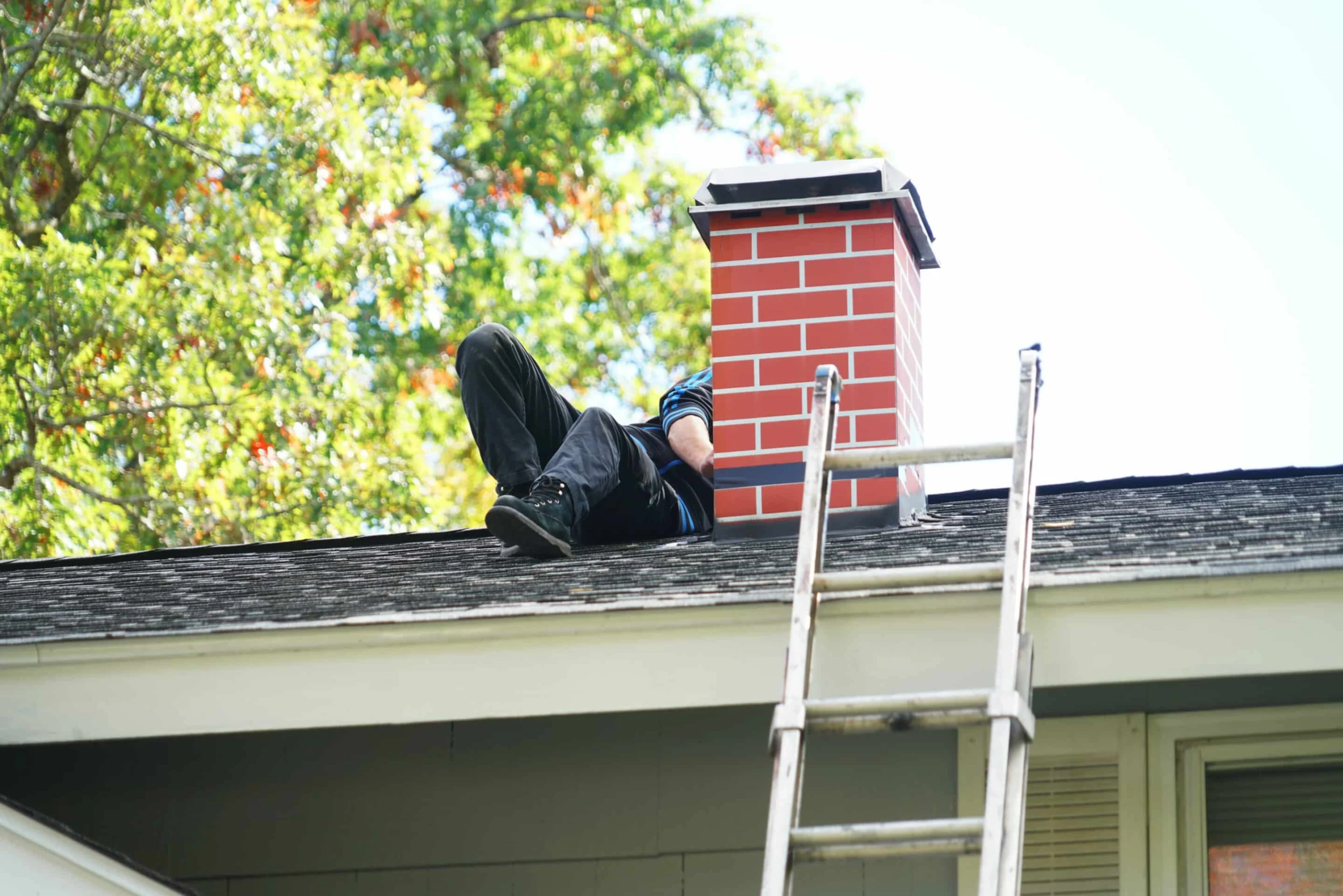
Buying a home is one of the biggest investments you’ll ever make. If that home has a fireplace or chimney, there’s one important step many buyers overlook: a chimney inspection before buying a home in Georgia.
While a house may appear perfect during a general home inspection, hidden chimney problems can lead to expensive repairs, fire hazards, and even carbon monoxide risks after closing. Georgia’s unique climate, with its humidity, heavy rainfall, and seasonal freeze-thaw cycles, makes chimneys especially vulnerable to damage.
A professional real estate chimney inspection gives you a clear understanding of the chimney’s condition before you finalize your purchase. In this guide, you’ll learn why chimney inspections matter, what a Level 2 inspection includes, how much it costs, and how it can protect both your investment and your family’s safety.
Why Georgia's Climate Is Tough on Chimneys
Georgia experiences hot summers, frequent rain, high humidity, and occasional freezing temperatures during winter. These changing weather conditions take a toll on masonry chimneys year after year.
Unlike most parts of a home, the chimney is constantly exposed to the elements. Rain, sunlight, moisture, and temperature fluctuations gradually weaken bricks, mortar joints, flashing, and chimney liners.
Many chimney problems develop slowly and remain hidden until they become major structural or safety concerns.
Freeze-Thaw Damage
Brick naturally absorbs water. During cold weather, trapped moisture freezes and expands inside the masonry. As this process repeats, bricks begin to crack, chip, and deteriorate.
Common warning signs include:
- Flaking or crumbling bricks
- Missing mortar joints
- White mineral stains (efflorescence)
- Loose masonry pieces around the chimney
If left untreated, this damage can compromise the chimney’s structural integrity.
Moisture Is the Biggest Enemy
Water intrusion is responsible for many costly chimney repairs.
Moisture often enters through:
- Cracked chimney crowns
- Missing or damaged chimney caps
- Faulty roof flashing
- Deteriorated mortar joints
Once inside, water can spread beyond the chimney, causing:
- Roof leaks
- Damaged attic framing
- Ceiling stains
- Mold growth
- Interior drywall damage
Because Georgia has a humid climate, moisture-related chimney issues often worsen quickly.
Hidden Damage Inside the Flue
The inside of a chimney can deteriorate long before exterior damage becomes visible. Older Georgia homes often have clay flue liners that may crack due to repeated heating and cooling cycles. Cracked liners increase the risk of chimney fires and carbon monoxide entering the home.
Moisture can also combine with creosote deposits, creating acidic compounds that slowly damage the flue liner.
Even newer prefab chimney systems are vulnerable. Their metal chase covers and liners can rust over time, especially in Georgia’s humid environment.
Why a Standard Home Inspection Isn't Enough
Many homebuyers assume the general home inspection covers everything, including the chimney.
Unfortunately, that’s rarely the case.
A standard home inspector performs a visual assessment, but typically does not:
- Inspect the entire flue interior
- Use specialized chimney cameras
- Evaluate hidden masonry damage
- Access every part of the chimney system
As a result, significant problems often go unnoticed until after closing.
That’s why a dedicated chimney inspection for home buyers is strongly recommended whenever purchasing a home with a fireplace or chimney.
What Is a Level 2 Chimney Inspection for Home Sale?
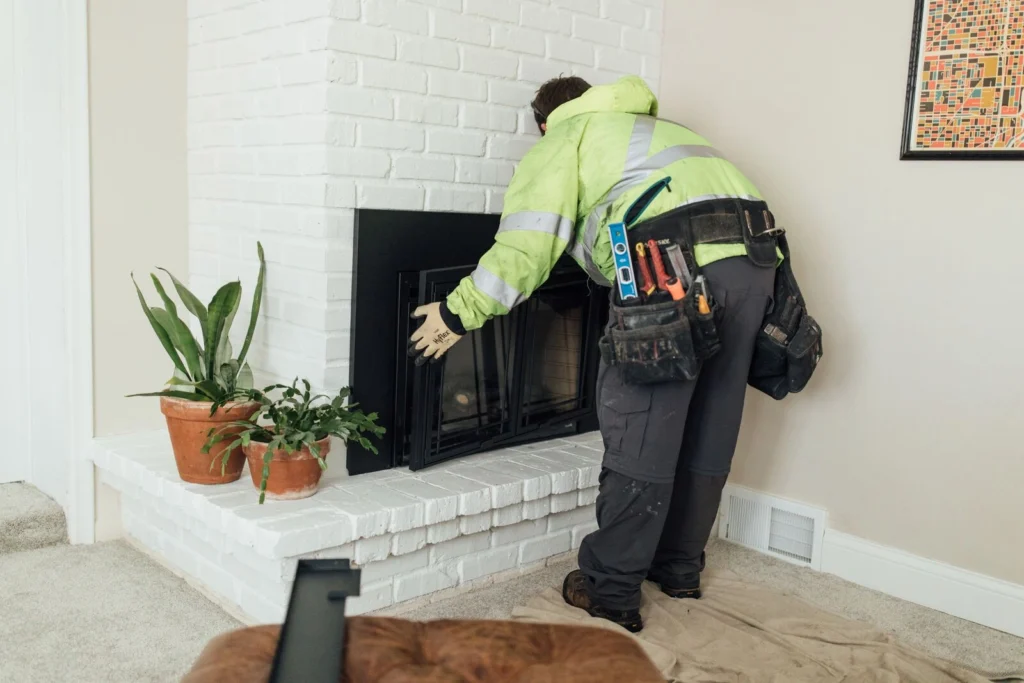
For real estate transactions, professionals recommend a Level 2 chimney inspection for a home sale.
This inspection is much more comprehensive than a basic visual inspection and is commonly required whenever ownership changes.
A Level 2 inspection typically includes:
- Exterior chimney evaluation
- Masonry condition assessment
- Chimney crown inspection
- Chimney cap inspection
- Roof flashing inspection
- Firebox examination
- Smoke chamber inspection
- Damper inspection
- Accessible attic and roof inspection
- Full video camera scan of the flue
The video scan is one of the most valuable parts of the inspection because it identifies hidden cracks, gaps, blockages, and deterioration that cannot be seen from the outside.
After the inspection, buyers receive a detailed report outlining any defects and recommended repairs.
Masonry vs. Prefabricated Chimneys
Georgia homes typically have one of two chimney systems.
Masonry Chimneys
Common in older homes, masonry chimneys are built with brick and mortar.
Their most common problems include:
- Cracked crowns
- Spalling bricks
- Deteriorated mortar
- Damaged clay liners
Prefabricated Chimneys
Newer homes often feature factory-built prefab chimneys.
Instead of masonry deterioration, inspectors commonly find:
- Rusted chase covers
- Corroded metal liners
- Water intrusion inside the chase
- Damaged flashing
Regardless of chimney type, both should receive a professional inspection before purchasing a home.
Chimney Inspection Cost Before Closing
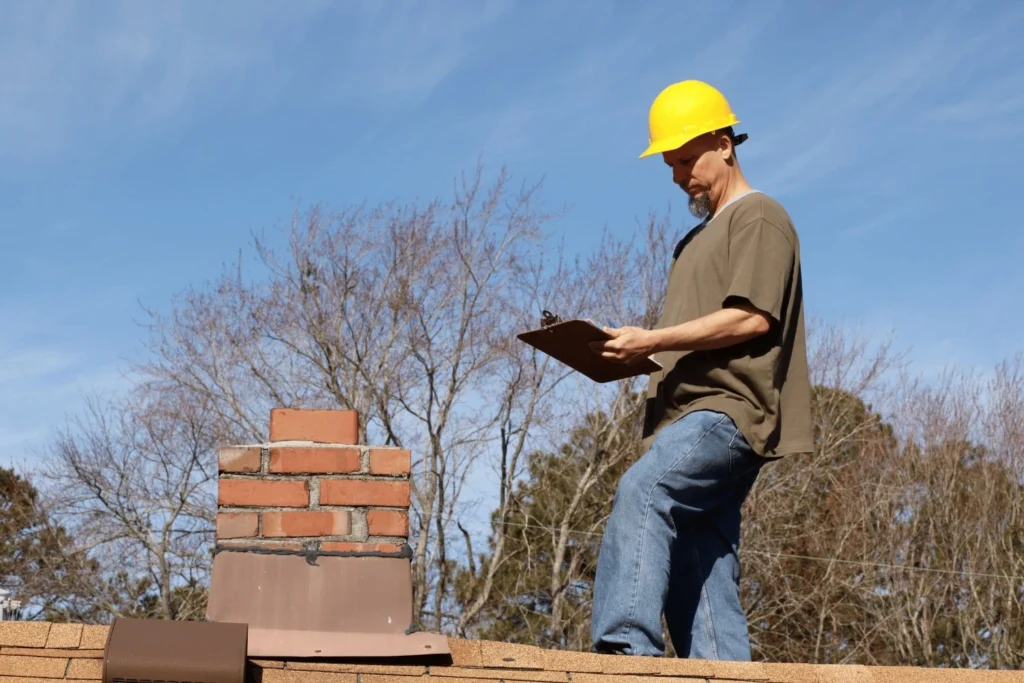
One of the biggest misconceptions is that chimney inspections are expensive.
In reality, the chimney inspection cost before closing is relatively small compared to the repair costs it can prevent.
Typical pricing includes:
Inspection Type | Estimated Cost |
Level 1 Inspection | $100–$200 |
Level 2 Inspection | $200–$600 |
Level 3 Inspection | $500+ |
Pricing depends on several factors, including:
- Chimney height
- Roof accessibility
- Number of flues
- Inspection level
- Chimney construction type
Considering chimney repairs can easily cost several thousand dollars, a Level 2 inspection is a worthwhile investment before closing.
How a Chimney Inspection Gives Buyers Negotiating Power
A professional inspection isn’t just about identifying problems; it also strengthens your position during negotiations.
If issues are discovered, buyers can:
- Request the seller to make repairs before closing
- Negotiate a lower purchase price
- Ask for repair credits
- Budget accurately for future maintenance
Instead of inheriting unexpected expenses after moving in, you’ll know exactly what you’re buying.
Why Home Buyers Should Never Skip a Chimney Inspection
A damaged chimney can create far more than cosmetic issues.
Hidden defects may lead to:
- Water damage
- Structural deterioration
- Chimney fires
- Carbon monoxide exposure
- Expensive masonry repairs
Because many of these problems develop inside the chimney system, they’re impossible to identify without specialized equipment.
Scheduling a real estate chimney inspection before closing provides peace of mind and helps ensure your new home is safe.
Why Choose Archer Chimneys & Exteriors?
Archer Chimneys & Exteriors is a licensed, insured, family-owned chimney and exterior services company. We are based in Newnan, GA, and serve homeowners throughout Coweta County, Marietta, and Asheville, NC.
Here is what separates us from general contractors and national chains:
- Full leak diagnosis. We assess every potential entry point on every visit. You get a complete diagnosis, not a partial fix.
- Level 2 video camera inspections: We inspect the interior of your flue from the crown to the firebox. We identify damage that is invisible from the outside.
- Chimney and roofing expertise combined: Since chimney leaks often involve both the chimney and the roof, our dual expertise removes the guesswork about where the water originates.
- Licensed and insured: We carry full licensing and liability coverage across all service areas.
- 279+ verified Google reviews: Our reputation is built on honest inspections and accurate repairs for homeowners throughout the Newnan area.
- Inspection fee applied to repairs: Your inspection fee counts toward any repair or service within 30 days. You are paying for real answers.
Conclusion
Buying a home is exciting, but hidden chimney damage can quickly turn that excitement into costly repairs.
Georgia’s humid climate, heavy rainfall, and seasonal freezing conditions accelerate chimney deterioration, making a chimney inspection before buying a home in Georgia one of the smartest investments you can make.
A professional Level 2 chimney inspection for home sale helps uncover hidden damage, protects your family’s safety, and gives you valuable negotiating power before closing.
For more updates, expert tips, and customer reviews, follow us on Facebook and Instagram, or visit our Google Business Profile to see why homeowners trust us.
Contact us today to schedule your inspection or get a free quote.
Frequently Asked Questions
Do I really need a chimney inspection before buying a home in Georgia?
Yes. A standard home inspection usually doesn’t include a detailed chimney evaluation. A dedicated chimney inspection can identify hidden structural, moisture, and flue problems before you purchase the home.
What is included in a Level 2 chimney inspection?
A Level 2 inspection includes an exterior chimney assessment, chimney crown and cap inspection, flashing evaluation, firebox and smoke chamber inspection, and a video camera scan of the entire flue.
How much does a chimney inspection cost before closing?
Most Level 2 chimney inspections cost between $200 and $600, depending on the chimney’s size, accessibility, and construction type.
Can chimney problems affect home value?
Absolutely. Significant chimney defects can reduce a home’s value, require costly repairs, and become important negotiation points during the buying process.
How often should a chimney be inspected after buying a home?
The National Fire Protection Association recommends having your chimney professionally inspected at least once a year, especially if you regularly use your fireplace or wood-burning appliance.