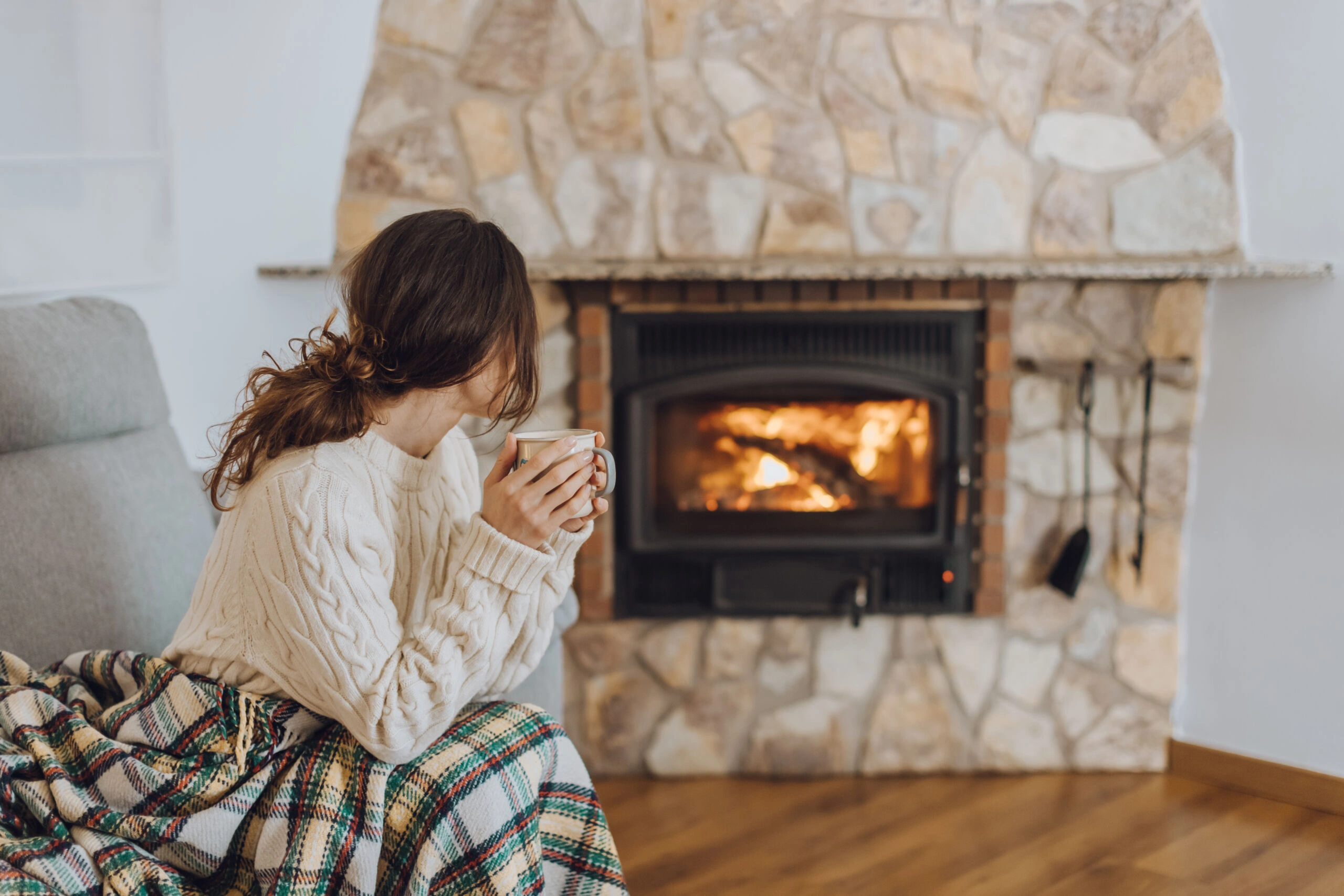
Yes, any fireplace can cause carbon monoxide exposure if venting is blocked or damaged. Wood and gas fireplaces both produce carbon monoxide during combustion. A working chimney or vent system removes it safely, so regular inspection and correct detector placement are essential.
Carbon monoxide fireplace safety matters for every home in Newnan, Marietta, and Asheville with a wood or gas fireplace. This guide explains the real risks, correct detector placement, and warning signs to watch for.
How Carbon Monoxide Forms in a Fireplace
Carbon monoxide, or CO, forms whenever wood, natural gas, or propane burns without enough oxygen. This happens in every fireplace, regardless of fuel type.
A properly working chimney or vent carries this gas safely outside. Carbon monoxide fireplace safety depends on that pathway staying clear and undamaged.
Can a Fireplace Cause Carbon Monoxide?
Yes. Every fireplace produces carbon monoxide as a byproduct of combustion. The risk comes from where that gas ends up, not whether it forms.
- Wood fireplaces release CO along with smoke and creosote
- Gas fireplaces release CO even though they burn cleaner
- Blocked or damaged venting sends CO back into the home
Can a Gas Fireplace Cause Carbon Monoxide Poisoning?
Yes, a gas fireplace can cause carbon monoxide poisoning under certain conditions. A misadjusted burner or a blocked vent is a common cause.
- Vent-free units release exhaust directly into the room
- Direct vent units seal the exhaust and draw air from outside
- Annual gas diagnostic checks confirm safe operation
Fireplace Chimney Carbon Monoxide Risk Factors
The chimney is the biggest factor in fireplace carbon monoxide risk. Georgia’s humid climate can worsen small cracks over time.
- Bird nests, leaves, and debris blocking the flue
- Cracked flue liners letting gas escape into walls
- Heavy creosote buildup narrowing the flue opening
- A weak or reversed draft, known as a backdraft
Warning Signs of Carbon Monoxide Exposure
Carbon monoxide has no smell or color, so homeowners must watch for physical and visual clues instead.
- Headache, dizziness, or nausea that fades outside the home
- Soot stains near the fireplace opening or walls
- A pilot light that burns yellow instead of blue
- Smoke drifting into the room instead of up the flue
Leave the home immediately and call emergency services if these symptoms appear during fireplace use.
Carbon Monoxide Detector Placement Near a Fireplace
Correct carbon monoxide detector placement near a fireplace is one of the most effective safety steps available.
- Install a detector on every level of the home
- Place one within 10 feet of each bedroom door
- Mount detectors at knee to chest height
- Keep detectors at least 15 feet from the fireplace
- Avoid mounting near windows, doors, or air vents
Chimney Inspection Levels and Typical Costs
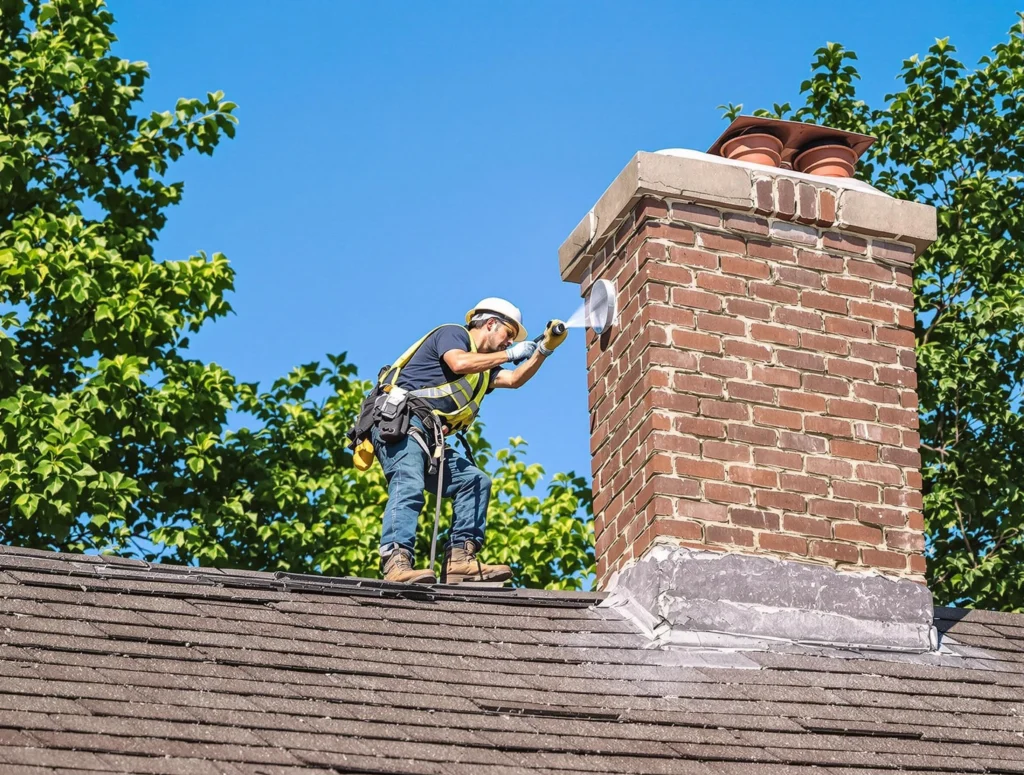
Understanding inspection levels helps homeowners budget for fireplace and chimney safety.
- Level 1: covers visible, accessible chimney components
- Level 2: adds camera scanning, often needed after appliance or fuel changes
- Level 3: accesses concealed areas, sometimes requiring masonry removal
A free on-site inspection gives homeowners in Newnan, Marietta, and Asheville an exact price for their specific chimney.
Why Choose Archer Chimneys & Exteriors
Archer Chimneys & Exteriors is a licensed, insured, family-owned chimney and exterior services company. We are based in Newnan, GA, and serve homeowners throughout Coweta County, Marietta, and Asheville, NC.
Here is what separates us from general contractors and national chains:
- Full leak diagnosis. We assess every potential entry point on every visit. You get a complete diagnosis, not a partial fix.
- Level 2 video camera inspections: We inspect the interior of your flue from the crown to the firebox. We identify damage that is invisible from the outside.
- Chimney and roofing expertise combined: Since chimney leaks often involve both the chimney and the roof, our dual expertise removes the guesswork about where the water originates.
- Licensed and insured: We carry full licensing and liability coverage across all service areas.
- 279+ verified Google reviews: Our reputation is built on honest inspections and accurate repairs for homeowners throughout the Newnan area.
- Inspection fee applied to repairs: Your inspection fee counts toward any repair or service within 30 days. You are paying for real answers.
Conclusion
Carbon monoxide fireplace safety depends on regular inspections, correct detector placement, and attention to warning signs. Both wood and gas fireplaces carry risk, but that risk is manageable with proper care.
Schedule a free inspection with Archer Chimneys & Exteriors in Newnan, Marietta, or Asheville. The team can evaluate your entire fireplace and venting system before the next cold season.
For more updates, expert tips, and customer reviews, follow us on Facebook and Instagram, or visit our Google My Business to see why homeowners trust us.
Contact us today to schedule your inspection or get a free quote.
Frequently Asked Questions
Can a fireplace cause carbon monoxide?
Yes. Any wood, gas, or propane fireplace produces carbon monoxide during combustion. A working chimney or vent removes it safely from the home.
Can a gas fireplace cause carbon monoxide poisoning?
Yes, if the burner is misadjusted, the vent is blocked, or the unit is not maintained. Regular gas diagnostic checks reduce this risk.
Where should I place a carbon monoxide detector near my fireplace?
Mount it at knee-to-chest height, at least 15 feet from the fireplace. Keep it away from windows, doors, and direct airflow.
What is the fireplace chimney carbon monoxide risk in older homes?
Older masonry chimneys are more prone to cracks and liner damage. Regular Level 1 or Level 2 inspections catch these issues early.
How do I know if my fireplace is leaking carbon monoxide?
Watch for soot stains, a yellow pilot light, or smoke backing into the room. Headaches or dizziness during fireplace use are also warning signs.