
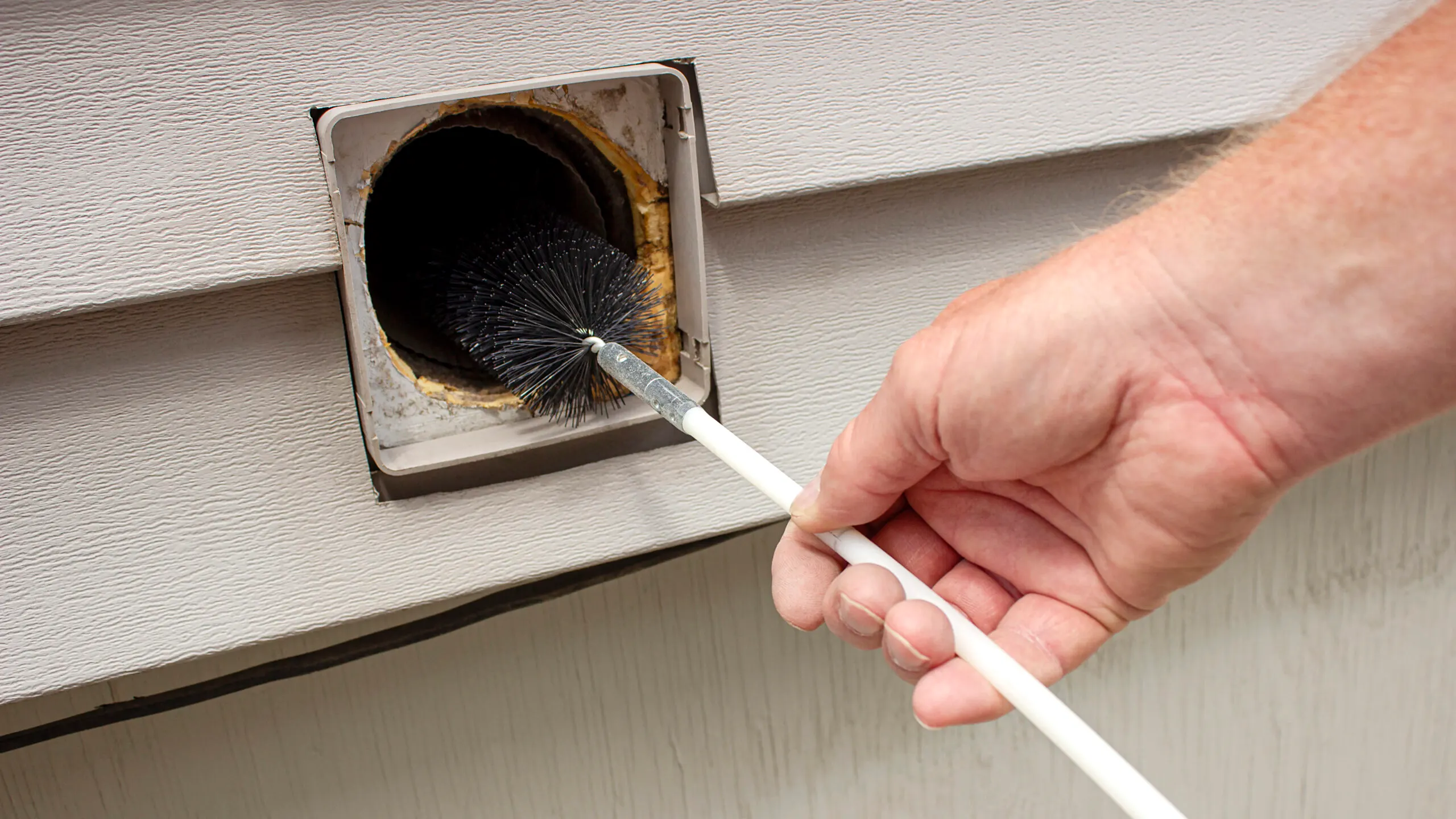
Spring dryer vent cleaning in Marietta, GA, removes winter lint buildup before bird nesting season and peak humidity create dangerous blockages. Cleaning the vent improves airflow, reduces overheating, lowers the risk of dryer fires, and helps your dryer operate more efficiently throughout the year.
Spring dryer vent cleaning in Marietta, GA, is one of the most important home maintenance tasks after winter. Bird nesting season, rising humidity, and accumulated lint create ideal conditions for restricted airflow and increased fire risk.
Many homeowners only discover a blocked dryer vent after clothes stop drying efficiently or the dryer begins overheating. Regular maintenance helps improve safety, dryer performance, and energy efficiency.
What You'll Learn
In this guide, you’ll discover:
- Why spring is the highest-risk season for dryer vents in Marietta
- How birds, humidity, and lint create dangerous blockages
- Warning signs that your dryer vent needs immediate attention
- How often should Georgia homeowners schedule dryer vent cleaning
- Typical dryer vent cleaning costs in Marietta during 2026
- When DIY cleaning is appropriate, and when professional service is the better option
Why Spring Dryer Vent Cleaning in Marietta, GA Is So Important
Many homeowners view dryer vent maintenance as an annual chore without considering the season. In Marietta, spring presents unique conditions that make dryer vent cleaning especially important.
Three major factors combine during spring:
- Bird nesting activity
- High humidity
- Heavy winter lint accumulation
Together, these conditions increase the chance of airflow restrictions and dryer overheating.
Bird Nesting Season Creates Serious Dryer Vent Hazards
From late March through May, birds throughout North Georgia actively search for protected nesting locations.
Dryer vent exhaust caps provide an attractive nesting site because they offer:
- Warmth from previous dryer cycles
- Shelter from wind and rain
- Protection from ground predators
Most exterior dryer vents are positioned several feet above the ground, making them even more appealing.
A bird’s nest can completely block a standard four-inch dryer vent. Twigs, grass, feathers, and leaves also create highly combustible material inside the vent. As lint collects behind the nest, airflow decreases, and fire risk increases.
Important:
Under the Migratory Bird Treaty Act, active nests containing eggs cannot be removed without proper authorization. Scheduling a spring inspection before nesting season begins helps prevent this issue.
Georgia's Spring Humidity Makes Dryer Vent Problems Worse
Humidity affects dryer vents more than many homeowners realize. Marietta experiences high spring humidity that changes how lint behaves inside the vent system.
Moisture causes lint to:
- Clump together
- Compress inside the duct
- Stick to the vent walls
- Become more difficult to remove
Moist lint also creates favorable conditions for mold and mildew growth. Higher humidity means every dryer cycle must remove additional moisture from clothing. This places a greater demand on the vent system.
Many national maintenance recommendations do not account for Georgia’s climate. Homes in the Southeast often benefit from more frequent dryer vent cleaning.
Winter Leaves Behind Months of Hidden Lint
From October through March, most households use their dryers more frequently.
Winter clothing typically includes:
- Sweaters
- Heavy towels
- Blankets
- Jackets
- Flannel bedding
These fabrics produce significantly more lint than lightweight summer clothing. By spring, many dryer vents contain months of accumulated lint. Combined with humidity and possible bird nests, airflow can become severely restricted.
Even if the clothes are still dry, the dryer may be operating at unsafe temperatures.
What Happens Inside a Clogged Dryer Vent?
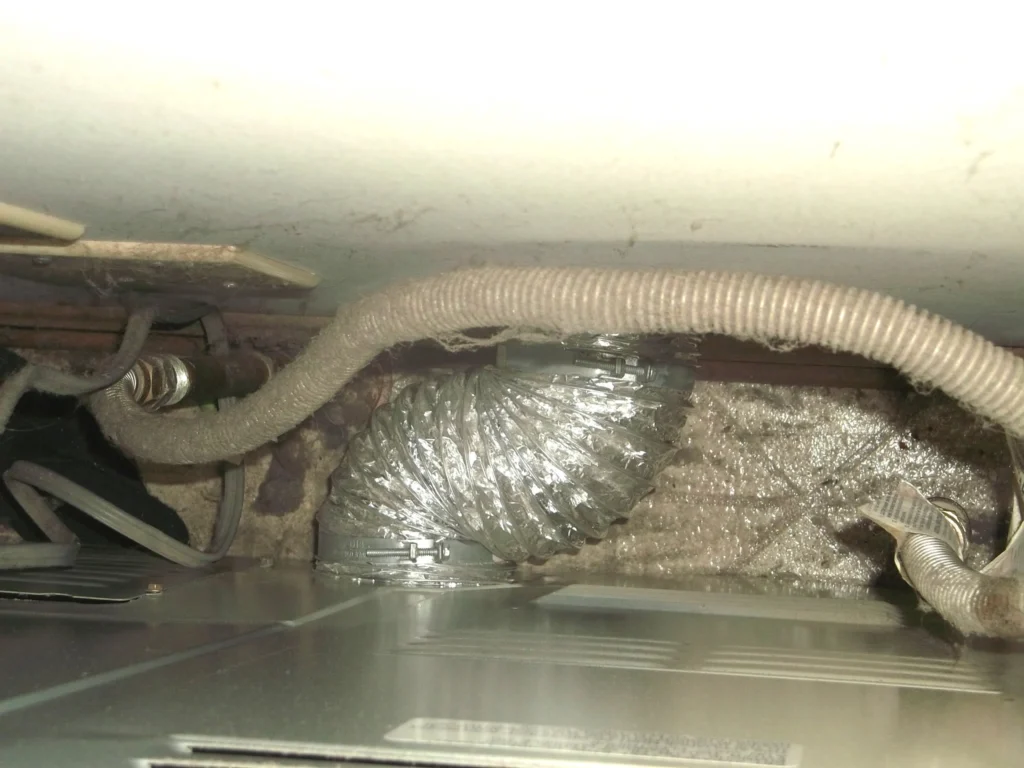
A properly functioning dryer pushes hot, moist air through the vent and safely outside.
When airflow becomes restricted, several problems develop.
Reduced Airflow
Lint begins settling inside the duct instead of exiting outdoors. Additional lint then sticks to the existing buildup, creating a larger blockage.
Excess Heat
Hot air remains trapped inside the dryer. This causes higher operating temperatures and increases stress on internal components.
Poor Drying Performance
Moisture cannot escape efficiently.
As a result:
- Clothes require multiple drying cycles.
- Energy consumption increases.
- Laundry takes longer to finish.
Increased Wear on the Dryer
The heating element and motor work harder during every cycle. Over time, excessive strain can shorten the appliance’s lifespan.
Why Dryer Vent Fires Occur
Lint is highly combustible.
When airflow becomes restricted, dryer temperatures continue rising while combustible lint remains trapped inside the vent.
A typical sequence looks like this:
- Lint accumulates inside the vent.
- Airflow decreases.
- The dryer overheats.
- Hot air contacts dry lint.
- Ignition occurs.
- Fire spreads through the vent system and into surrounding wall cavities.
Because dryer vent fires often begin inside concealed spaces, they may spread before becoming visible.
Spring dryer vent cleaning in Marietta, GA, helps remove combustible lint before dangerous conditions develop.
Warning Signs Your Dryer Vent Needs Cleaning
Most blocked dryer vents show warning signs before becoming a serious hazard. Watch for the following symptoms.
Clothes Take Too Long to Dry
A normal load should usually dry within 45 to 60 minutes. If clothes consistently require multiple cycles, restricted airflow may be the cause.
The Laundry Room Feels Hot
Excess heat and humidity inside the laundry room often indicate poor vent performance.
The Dryer Feels Extremely Hot
The outside of the dryer should not become excessively hot during operation. Overheating often signals inadequate exhaust airflow.
Burning or Musty Odors
A burning smell may indicate overheating lint. A musty odor may suggest moisture buildup inside the duct. Neither smell should be ignored.
Exterior Vent Flap Does Not Open
While the dryer runs, check the outside vent. The flap should move freely with strong airflow. Little or no movement usually indicates a blockage.
Dryer Stops Mid-Cycle
Modern dryers may shut down automatically when overheating occurs. Repeated shutdowns often point to restricted ventilation.
Visible Lint Around the Exterior Vent
Lint collecting around the outside vent opening indicates airflow is becoming restricted. If you notice two or more of these warning signs, schedule a professional dryer vent inspection promptly.
How Often Should You Schedule Spring Dryer Vent Cleaning in Marietta, GA?
Cleaning frequency depends on household size, dryer usage, vent design, and local conditions.
General recommendations include:
- One to two people: Every 12 months
- Three to four people: Every 9 months
- Families with children: Every 6 months
- Homes with pets: Every 6 months
- Long vent runs: Every 6 months
- Roof-exit dryer vents: Every 6 months
- New homeowners: Clean immediately if the maintenance history is unknown
For many homes in Cobb County, scheduling one cleaning during spring and another before winter provides consistent protection.
How Long Does Professional Dryer Vent Cleaning Take?
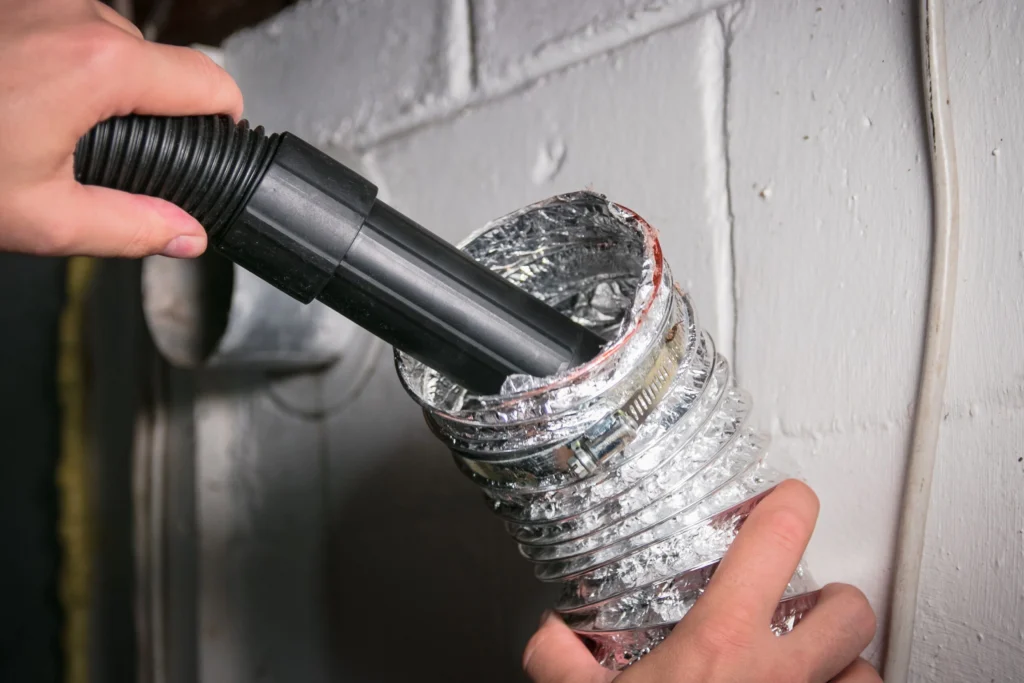
Most professional dryer vent cleaning appointments take between 45 and 90 minutes.
The exact time depends on several factors.
Standard Sidewall Vent
Most sidewall dryer vents under 10 feet long can be cleaned in about 45 minutes.
Longer Vent Runs
Longer ducts with multiple bends require additional cleaning time. Appointments typically last 60 to 75 minutes.
Roof-Exit Dryer Vents
Roof-exit vents require specialized equipment and additional safety measures. Cleaning often takes 75 to 90 minutes.
Bird Nest Removal
If a bird’s nest blocks the vent, additional time may be required. Professional cleaning includes clearing the obstruction and verifying proper airflow after the vent is cleaned.
Spring Dryer Vent Cleaning Cost in Marietta, GA (2026)
Spring dryer vent cleaning in Marietta, GA, typically costs between $125 and $200 for a standard residential service.
Actual pricing depends on vent configuration, accessibility, and the condition of the system.
Typical price ranges include:
- Standard sidewall vent: $125–$175
- Long vent run: $150–$225
- Roof-exit vent: $175–$275
- Bird nest removal with cleaning: $150–$300
- Vent repair: Additional $75–$200
- Full vent replacement: Approximately $200–$500
Request an estimate before work begins so you understand exactly what is included.
What Affects Dryer Vent Cleaning Costs?
Several factors influence the final price.
Vent Length
Longer vent systems require more cleaning time and equipment.
Number of Bends
Multiple turns make lint removal more difficult.
Roof or Sidewall Exit
Roof exits generally require additional labor.
Time Since Last Cleaning
Years of neglected lint buildup increase cleaning difficulty.
Vent Material
Rigid metal ducts are easier to clean than flexible foil ducts.
Additional Services
Some homeowners schedule dryer vent cleaning alongside chimney inspections or other exterior maintenance during the same visit.
Can You Clean a Dryer Vent Yourself?
Some homeowners can safely clean simple dryer vent systems.
DIY cleaning may be appropriate when:
- The vent is short.
- The duct is straight.
- The exit is easily accessible.
- Maintenance is performed regularly.
However, professional cleaning is recommended when:
- The vent exceeds 10 feet.
- Multiple bends exist.
- The vent exits through the roof.
- A bird’s nest is suspected.
- The vent has not been cleaned in several years.
- Flexible foil ductwork is installed.
Consumer cleaning kits remove only part of the accumulated lint.
Professional equipment cleans the entire vent system and confirms proper airflow before service is complete.
Benefits of Professional Spring Dryer Vent Cleaning
Professional dryer vent cleaning offers several advantages.
These include:
- Improved dryer efficiency
- Faster drying times
- Lower energy consumption
- Reduced wear on the appliance
- Better indoor moisture control
- Reduced fire risk
- Identification of damaged vent components
Routine maintenance also helps extend the life of your dryer.
Spring Dryer Vent Maintenance Tips
Between professional cleanings, homeowners can reduce lint buildup with regular maintenance.
Follow these best practices:
- Clean the lint filter after every load.
- Inspect the exterior vent periodically.
- Avoid crushing the vent behind the dryer.
- Do not overload the dryer.
- Watch for longer drying times.
- Schedule professional inspections based on household usage.
These simple habits help improve airflow throughout the year.
Why Choose Archer Chimneys & Exteriors
Archer Chimneys & Exteriors is a licensed, insured, family-owned chimney and exterior services company. We are based in Newnan, GA, and serve homeowners throughout Coweta County, Marietta, and Asheville, NC.
Here is what separates us from general contractors and national chains:
- Full leak diagnosis. We assess every potential entry point on every visit. You get a complete diagnosis, not a partial fix.
- Level 2 video camera inspections: We inspect the interior of your flue from the crown to the firebox. We identify damage that is invisible from the outside.
- Chimney and roofing expertise combined: Since chimney leaks often involve both the chimney and the roof, our dual expertise removes the guesswork about where the water originates.
- Licensed and insured: We carry full licensing and liability coverage across all service areas.
- 279+ verified Google reviews: Our reputation is built on honest inspections and accurate repairs for homeowners throughout the Newnan area.
- Inspection fee applied to repairs: Your inspection fee counts toward any repair or service within 30 days. You are paying for real answers.
Conclusion
Spring dryer vent cleaning in Marietta, GA, helps protect your home from unnecessary fire risks while improving dryer performance and energy efficiency.
Bird nesting season, high humidity, and months of accumulated winter lint make spring one of the most important times to inspect your dryer vent. If your clothes take longer to dry or your dryer shows signs of restricted airflow, schedule an inspection before the problem becomes more serious. Routine spring dryer vent cleaning in Marietta, GA, helps maintain safe airflow, improves appliance performance, and supports long-term home safety.
For more updates, expert tips, and customer reviews, follow us on Facebook and Instagram, or visit our Google Business Profile to see why homeowners trust us.
Contact us today to schedule your inspection or get a free quote.
Frequently Asked Questions
Why is spring dryer vent cleaning important in Marietta, GA?
Spring dryer vent cleaning in Marietta, GA, removes winter lint buildup before humidity and bird nesting season increase the risk of blockages and overheating.
How often should a dryer vent be cleaned?
Most households should schedule professional dryer vent cleaning every six to twelve months, depending on laundry volume, vent length, pets, and household size.
What are the warning signs of a clogged dryer vent?
Common signs include longer drying times, excessive heat, burning odors, poor airflow outside, repeated dryer shutdowns, and visible lint around the exterior vent.
Can a clogged dryer vent cause a fire?
Yes. Restricted airflow allows heat to build inside the vent, increasing the chance that accumulated lint could ignite.
How long does dryer vent cleaning take?
Most appointments take between 45 and 90 minutes, depending on the vent layout and the amount of lint buildup.