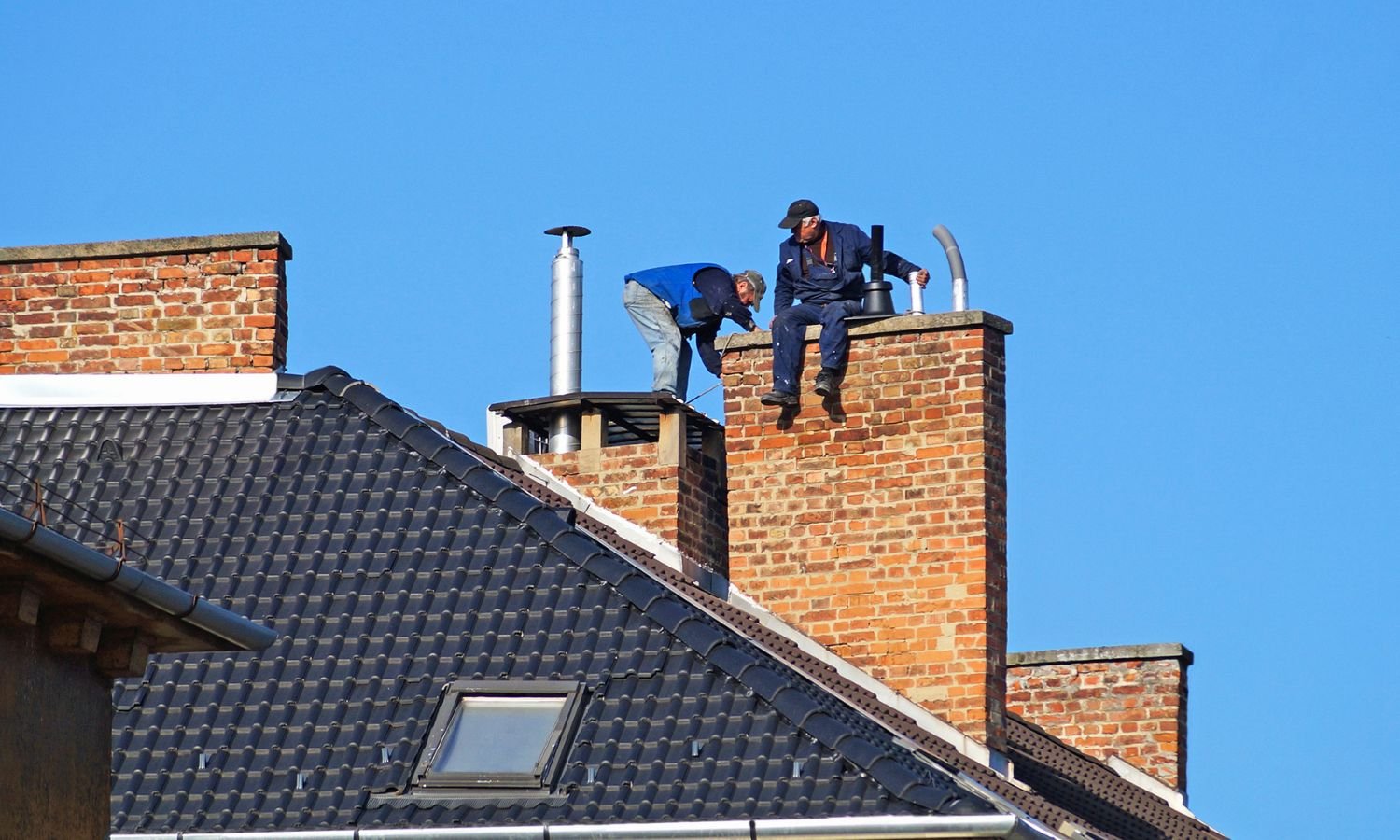
The answer to how often you should have your chimney cleaned is: at least once per year for all chimney types. Wood-burning fireplaces used three or more times per week need cleaning every six months. Gas chimneys require annual inspections even without visible soot. The NFPA and CSIA both recommend this minimum schedule.
Chimney fires are almost entirely preventable yet they destroy thousands of homes each year. The single most effective way to stop one is regular professional cleaning.
This guide gives you a clear, fireplace-type-specific cleaning schedule, current 2026 pricing, and the warning signs you should never ignore.
What You Will Learn in This Guide
✓ Cleaning frequency by fireplace type (wood, gas, oil, pellet)
✓ The 3 stages of creosote and why Stage 3 costs up to $3,000 to fix
✓ 7 urgent warning signs your chimney needs service right now
✓ Whether chimney cleaning logs actually replace a professional sweep
✓ 2026 pricing for Georgia and North Carolina homeowners
✓ How to find and vet a reputable chimney sweep near you
Why Chimney Cleaning Cannot Be Skipped
Most homeowners treat chimney cleaning as an optional something to schedule only when there is an obvious problem. That assumption causes chimney fires, carbon monoxide exposure, and repair bills that run into the thousands.
The real danger is invisible. Every time you burn wood, combustion gases rise through your flue and cool against the liner walls. This deposits a highly flammable substance called creosote a tar-like residue that builds layer by layer with every fire. You cannot see it from inside your living room, and you cannot smell it until it is already a hazard.
Gas fireplaces do not produce creosote the same way. But they still accumulate soot, debris, bird nests, spider webs, and moisture-related corrosion, all of which can block venting and create a carbon monoxide emergency.
The 3 Stages of Creosote Buildup
Chimney technicians classify creosote in three stages. Each stage is more dangerous and more expensive to remove than the last.
- Stage 1 Loose, Flaky Soot: Light, powdery buildup resembling ash dust. Removed easily with a standard brush. A Stage 1 sweep typically costs $100–$200 and takes under an hour.
- Stage 2 Crunchy, Tar-Like Deposits: Hardened flakes that adhere to the flue liner. Requires a rotary loop cleaning system. More time-consuming but fully manageable with annual service.
- Stage 3 Hardened Glaze: A shiny, rock-hard coating baked onto the liner at extreme heat. Requires chemical treatments, specialized tools, or complete liner replacement. Cost: $1,000–$3,000+. Compare that to $150–$250 for annual Stage 1 maintenance.
The key takeaway: Annual cleaning keeps you firmly at Stage 1. Skip two or three seasons, and you may be facing a Stage 3 removal job.
How Often Should You Have Your Chimney Cleaned? (By Fireplace Type)
The correct answer to how often you should have your chimney cleaned depends on what you burn and how frequently you use it. Use the table below as your baseline schedule.
Fireplace / Appliance Type | Recommended Cleaning Frequency | Key Reason |
Wood-burning fireplace (occasional use) | Once per year | Annual creosote prevention |
Wood-burning fireplace (heavy, 3x+/week) | Every 6 months | Higher creosote production rate |
Gas fireplace or gas insert | Annual inspection; clean as needed | Venting blockages & corrosion check |
Oil-burning appliance | 1–2 times per year | High soot output |
Wood stove or pellet stove | Once per year minimum | Gasket seals + flue buildup |
Infrequently used or seasonal fireplace | Annual inspection regardless | Animals, nests & moisture damage |
NFPA Standard 211 states that all chimneys, fireplaces, and vents shall be inspected at least once per year, regardless of how often the fireplace was used.
Do Gas Chimneys Need to Be Cleaned?
Yes. This is one of the most common misconceptions homeowners have. Gas combustion does not produce creosote, but it does produce hazards that require annual attention.
- White mineral deposits that restrict the flue opening over time
- Soot from incomplete combustion, especially with older or poorly tuned burners
- Moisture and condensation that corrode the metal flue liner
- Animal nests and debris that fully block the vent pipe
The CSIA specifically recommends annual inspections for all gas fireplace systems. A blocked gas flue is a carbon monoxide emergency. Annual service costs far less than an ER visit or a funeral.
7 Warning Signs Your Chimney Needs Cleaning Right Now
Do not wait for your annual appointment if you notice any of the following. These signs indicate a service need that should not be delayed.
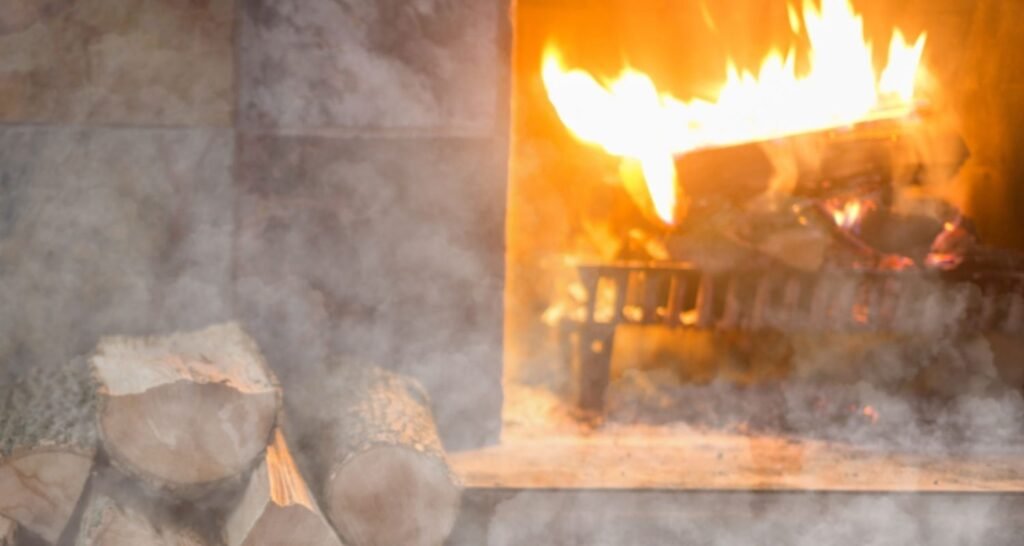
- A smoky or campfire smell is coming from the fireplace even when it is not in use. This indicates creosote or soot buildup absorbing moisture and releasing odor.
- Black, oily stains around the fireplace opening or on the damper plate. These are visible creosote deposits.
- Smoke backs up into the room when you start a fire. A blocked or restricted flue is preventing proper draft.
- Fires burn poorly or are hard to start despite dry, well-seasoned wood. Reduced airflow is the likely cause.
- Visible debris in the firebox includes leaves, twigs, animal droppings, or nesting material. Wildlife has entered the flu.
- A crackling or rumbling sound from the chimney during a fire. This is a possible active chimney fire. Evacuate immediately and call 911.
- It has been more than 12 months since your last professional inspection. This alone qualifies as a warning sign.
Do Chimney Cleaning Logs Actually Work?
Chimney cleaning logs also called creosote sweeping logs or CSLs, are sold in hardware stores as an easy DIY chimney maintenance solution. They are popular, but frequently misunderstood.
- What they DO: Cleaning logs contain chemical compounds (typically copper sulfate and other salts) that vaporize during burning and coat the flue walls. This softens Stage 1 and light Stage 2 creosote, converting it to a drier, more brittle form that crumbles into the firebox over the following two weeks of normal fires.
- What they DO NOT DO: They do not physically remove creosote. Loosened deposits remain in the firebox and must still be swept out. They have zero effect on Stage 3 hardened glaze. They cannot detect structural damage, liner cracks, or blockages. They are not safe for use in gas or pellet appliances.
- What the CSIA says: Creosote sweeping logs is an acceptable supplement between professional cleanings. They are not a substitute for annual mechanical sweeping and inspection.
Bottom line: Chimney cleaning logs offer limited benefit for lightly used wood-burning fireplaces. Use them as a maintenance tool between annual sweeps, never as a reason to skip one.
Chimney Cleaning Cost in Georgia and North Carolina (2026 Pricing)
How much does chimney cleaning cost? In Georgia and North Carolina, pricing varies by service level, chimney condition, and location. The table below reflects current 2026 market rates.
Service | Typical Market Price | Archer Chimneys & Exteriors Price | What Is Included |
Level 1 Inspection Only | $100–$200 | $149 | Visual check of all accessible components |
Chimney Sweep (Cleaning Only) | $100–$200 | Bundled with inspection | Brush sweep, vacuum, firebox debris removal |
Level 2 Inspection + Sweep + Camera | $250–$400 | $299 | Full sweep + video camera flue scan |
Stage 2 Creosote Treatment | $250–$500+ | Quoted on-site | Rotary loop system + chemical treatment |
Stage 3 Creosote / Liner Replacement | $1,000–$3,000+ | Quoted on-site | Specialized removal + relining if needed |
Add-on: Dryer Vent Cleaning | $100–$175 | $150.99 | Added to any chimney service visit |
Inspection credit: All Archer Chimneys & Exteriors inspection fees apply toward repair work completed within 30 days. Your diagnostic visit is never wasted money.
Factors That Affect Your Final Cost
- Chimney height and roof pitch (accessibility and safety equipment needed)
- The severity of creosote buildup, Stage 1, 2, or 3, requires very different equipment.
- Flue liner type: clay tile, cast-in-place, or stainless steel flex liner
- Animal or nest removal is required inside the flue or at the cap
- Number of flues (some homes have multiple chimneys or fireplaces)
- Location: Asheville, NC. Rates may differ slightly from metro Atlanta market rates.
When Is the Best Time of Year to Have Your Chimney Cleaned?
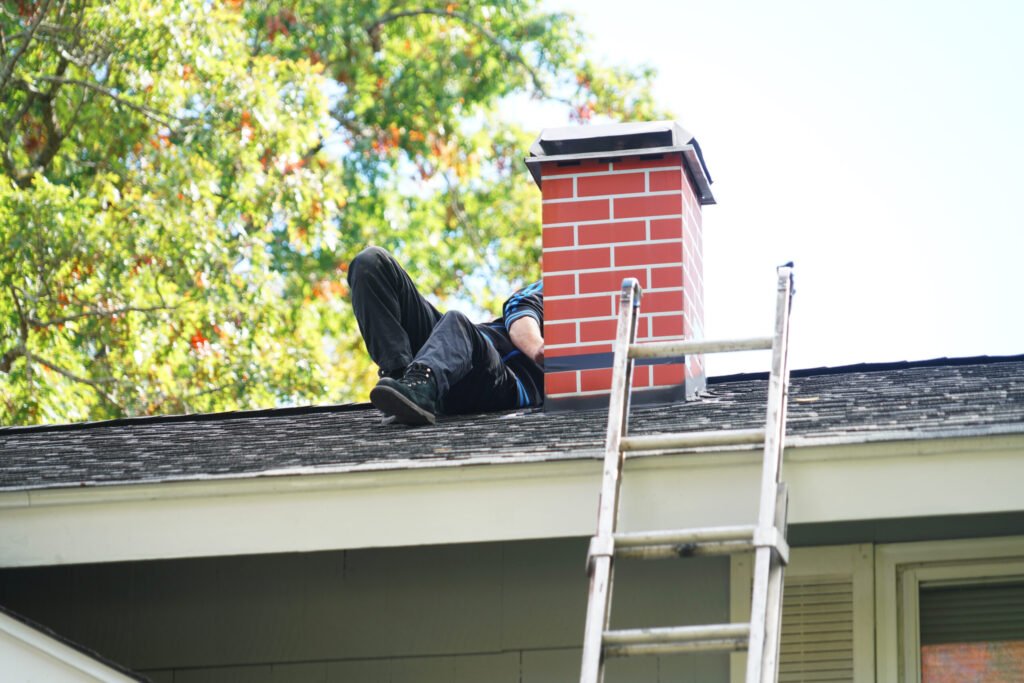
In Georgia and western North Carolina, the best window for chimney cleaning is late summer to early fall, specifically August through October.
- Before burning season: You want a clear, inspected flue before lighting the first fire of the year.
- Easier summer scheduling: Demand is lower during the off-season. You get faster appointments and may find better pricing.
- Post-winter spring inspection: A March–May checkup assesses damage from winter freeze-thaw cycles, flue moisture, and any bird or animal nesting that occurred during the heating season.
Georgia-specific tip: Many Georgia homeowners use their fireplaces through March and into April. If that describes your household, a late-spring cleaning makes more sense: sweep after your last use of the season, not before.
Who Cleans Chimneys Near Me? How to Find a Reputable Chimney Sweep
Not all chimney cleaning services are equal. The industry has no universal federal licensing requirement, which means unqualified operators can advertise professionally. Here is how to separate certified professionals from anyone who just bought a brush.
Five Things to Verify Before Hiring a Chimney Sweep
- CSIA Certification: The Chimney Safety Institute of America certification is the industry gold standard. CSIA-certified sweeps pass rigorous exams and adhere to a formal code of ethics.
- State Contractor License: In Georgia and North Carolina, verify the company holds an active, current contractor’s license. Never let an unlicensed crew access your roof.
- General Liability Insurance: Any accident on your property is your liability if the contractor is uninsured. Verify coverage before the visit.
- Video Camera Inspection Available: A Level 2 inspection requires a camera. Any company that cannot provide a full video is not equipped for a thorough job.
- Clear Written Estimate: All pricing should be disclosed in writing before work begins. Walk away from any company that quotes verbally and adds charges afterward.
Why Homeowners Across Georgia and North Carolina Choose Archer Chimneys & Exteriors
Archer Chimneys & Exteriors is a licensed, insured, family-owned chimney and exterior services company. We are based in Newnan, GA, and serve homeowners throughout Coweta County, Marietta, and Asheville, NC.
Here is what separates us from general contractors and national chains:
- Full leak diagnosis. We assess every potential entry point on every visit. You get a complete diagnosis, not a partial fix.
- Level 2 video camera inspections: We inspect the interior of your flue from crown to firebox. We identify damage that is invisible from the outside.
- Chimney and roofing expertise combined: Since chimney leaks often involve both the chimney and the roof, our dual expertise removes the guesswork about where the water originates.
- Licensed and insured: We carry full licensing and liability coverage across all service areas.
- 279+ verified Google reviews: Our reputation is built on honest inspections and accurate repairs for homeowners throughout the Newnan area.
- Inspection fee applied to repairs: Your inspection fee counts toward any repair or service within 30 days. You are paying for real answers.
Conclusion: How Often Should You Have Your Chimney Cleaned?
Every chimney in service needs professional cleaning and inspection at least once per year. That is the recommendation from the NFPA, the CSIA, and every qualified chimney technician in the field. It is also the cheapest insurance policy available for your home and family.
Wood-burning fireplaces used heavily need service every six months. Gas fireplace owners need annual inspections regardless of how clean the system appears. And if it has been more than twelve months since your last service, stop reading and schedule it today.
The cost of a chimney fire, a carbon monoxide hospitalization, or a Stage 3 creosote removal will always exceed the cost of the annual cleaning that prevents them. Protect your home. Protect your family. Have your chimney cleaned on schedule.
For more updates, expert tips, and customer reviews, follow us on Facebook and Instagram, or visit our Google My Business to see why homeowners trust us.
Contact us today to schedule your inspection or get a free quote.
Frequently Asked Questions
How often should you have your chimney cleaned if you rarely use your fireplace?
Even occasional-use chimneys require an annual inspection. Animals nest in unused flues, and moisture enters even when no fires are burned. The NFPA recommends annual inspection regardless of usage frequency.
How much does chimney cleaning cost in Georgia?
A standard chimney sweep and Level 1 inspection in Georgia costs $100–$200 from most providers. Archer Chimneys & Exteriors charges $149 for a Level 1 inspection and $299 for a Level 2 inspection with camera and full sweep.
Do gas chimneys need to be cleaned?
Yes. Gas fireplaces do not produce creosote, but they accumulate soot, mineral deposits, moisture corrosion, and debris blockages. The CSIA recommends annual inspections for all gas chimney systems to prevent carbon monoxide hazards.
Do chimney cleaning logs work as a replacement for professional sweeping?
No. Chimney cleaning logs loosen light creosote deposits but do not remove them. They do not affect Stage 3 hardened glaze and cannot identify structural damage or blockages. The CSIA classifies them as a supplement only, never a replacement.
How often should I get my chimney cleaned if I burn wood every day in winter?
If you burn wood three or more times per week during the heating season, schedule professional cleaning every six months, once before the season starts and once after it ends. High-frequency use accelerates creosote buildup significantly.