
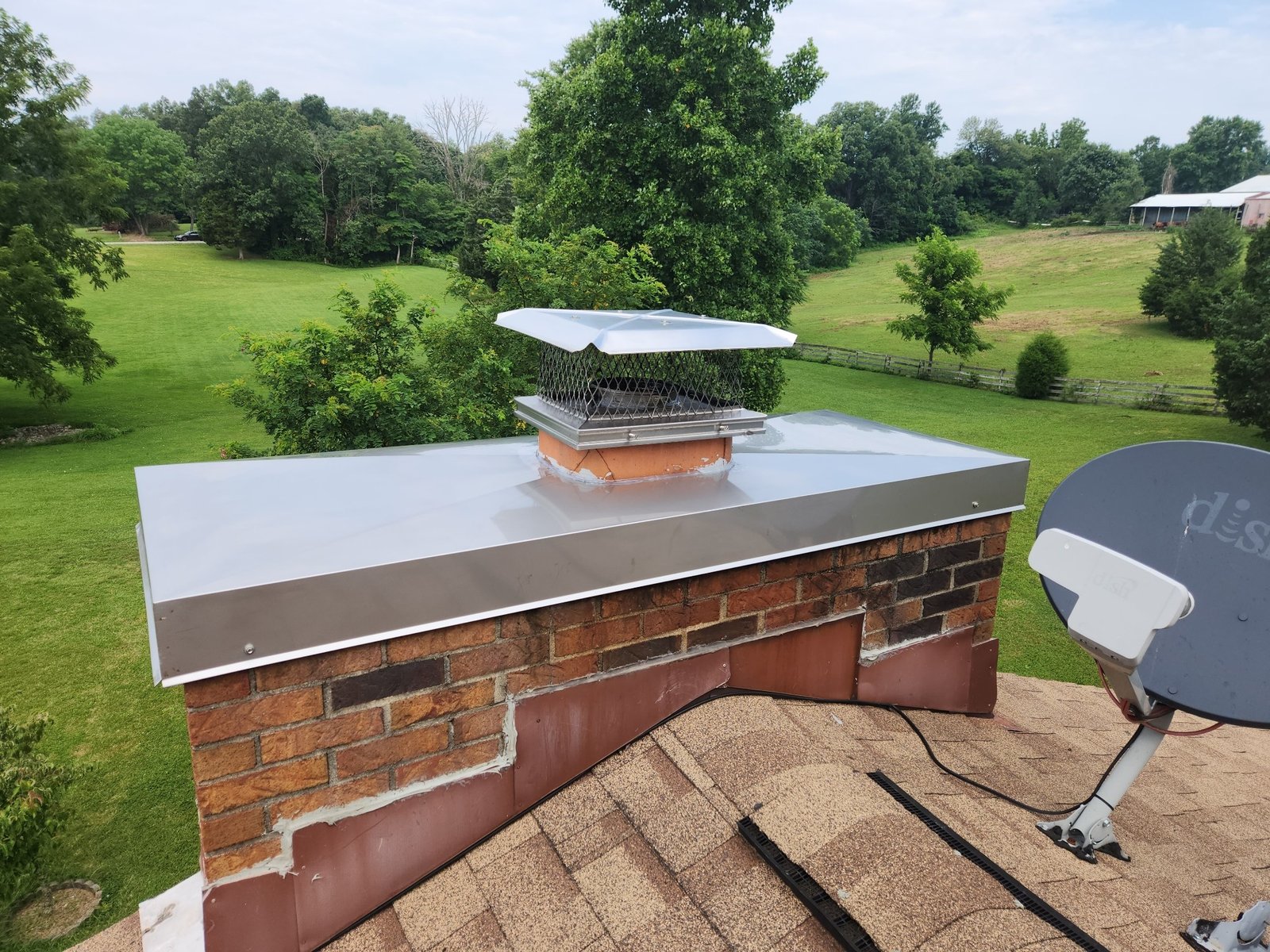
A chimney cap costs $200 to $850 installed in 2026, depending on material, flue size, and chimney configuration. Most Georgia homeowners spend $250 to $500 for a stainless steel cap on a single-flue masonry chimney, including professional labor.
Chimney cap costs catch most Georgia homeowners off guard, either because they waited too long, bought the wrong size, or hired the wrong type of contractor. This guide cuts through the confusion with real 2026 pricing, material comparisons, and clear guidance for every chimney situation.
Key Takeaways
- Average cost: $200–$850 installed (most homeowners pay $250–$500)
- Best material for Georgia: Stainless steel, corrosion-resistant, 20+ year lifespan, best overall value
- Cap damper upgrade: $250–$600 installed; can cut energy bills by 10–30%
- DIY is possible for basic single-flue caps, but a professional installation is safer and more reliable
- No permit required in Georgia for chimney cap installation
What Is a Chimney Cap and Why Does Your Georgia Home Need One?
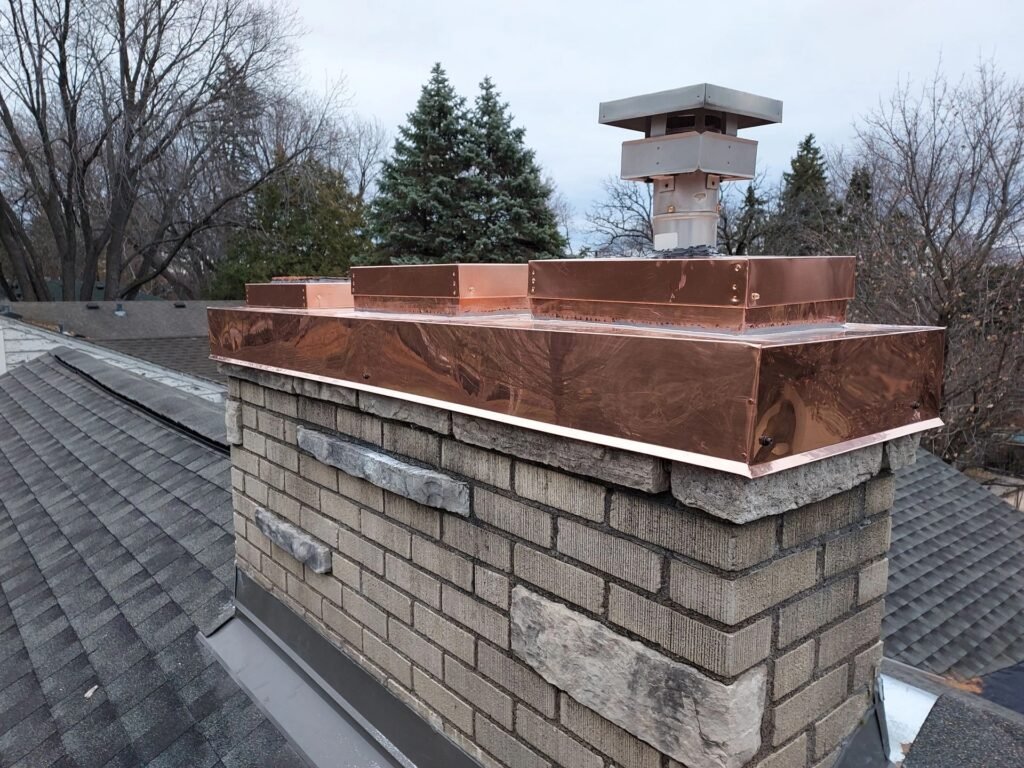
A chimney cap is a fitted metal cover installed over the top of your chimney flue. It typically includes a mesh screen around the sides and a solid lid that deflects rain.
Its protective functions are simple but critical for any Georgia home:
- Blocks rain and moisture from entering the flue and damaging the liner, damper, and firebox
- Keeps animals out, such as birds, squirrels, and raccoons, from nesting in uncapped chimneys year-round.
- Acts as a spark arrestor, the mesh screen contains hot embers before they reach your roof
- Reduces downdrafts, certain cap designs redirect wind to prevent smoke from entering the home
Georgia’s climate makes chimney caps especially important. Heavy summer rain, high humidity, and freeze-thaw cycles in the Atlanta metro and Asheville foothills create ideal conditions for moisture damage to masonry. An uncapped flue in these conditions deteriorates faster than almost anywhere else in the Southeast.
How Much Does a Chimney Cap Cost? (2026 Price Ranges)
The total cost to supply and install a chimney cap in 2026 ranges from $200 to $850, depending on cap type, material, chimney configuration, and location in Georgia or North Carolina.
Cost Component | Low End | High End |
Cap unit only (prefab) | $50 | $300 |
Cap unit only (custom) | $200 | $500 |
Labor to install | $100 | $350 |
Total prefab + install | $200 | $650 |
Total custom + install | $400 | $850 |
For most single-flue masonry chimneys in Newnan, Marietta, and Asheville, homeowners typically spend $250 to $500 all in for a quality stainless steel cap professionally installed.
What Factors Affect the Cost of a Chimney Cap?
No two chimneys are identical. These five variables have the most impact on your final cost.
1. Cap Material
Material is the single largest cost driver for the cap unit itself. Here is how the options compare:
Material | Unit Cost | Lifespan | Best For | Rating |
Galvanized Steel | $25–$75 | 5–10 yrs | Tight budgets | Fair |
Aluminum | $30–$80 | 10–15 yrs | Low-wind areas | Fair |
Stainless Steel ★ Best Value | $50–$200 | 20+ yrs | Most GA homes | Excellent |
Copper | $150–$500+ | Lifetime | Historic/luxury | Premium |
Recommendation for Georgia homes: Stainless steel is the clear winner. Georgia’s humidity corrodes galvanized steel quickly, making the cheapest option the most expensive over time.
2. Prefabricated vs. Custom
Prefabricated caps are mass-produced in standard sizes. They cost less but must match your exact flue dimensions. An incorrect fit can cause draft problems or blow off in a storm.
Custom caps are fabricated to your chimney’s exact measurements at a local metal shop. They fit cleanly, look better, and last longer. The premium is almost always worth it for older masonry chimneys with non-standard flue tile sizes.
3. Single Flue vs. Multi-Flue
A standard single-flue cap is the most affordable option. Homes with multiple flues are common when a wood-burning fireplace and gas furnace share a chimney stack, requiring either multiple individual caps or a larger custom multi-flue cover.
Multi-flue chimney covers typically run $300–$700 installed.
4. Chimney Height and Roof Pitch
Installing a cap on a single-story home with a shallow pitch is quick and straightforward. Steeper pitches (8/12 or greater), two-story heights, or slate tile roofs require extra time, safety gear, and sometimes specialized equipment.
Expect labor to run 20–40% higher on complex roof configurations in Georgia and Western North Carolina.
5. Chase Cover Replacement (If Needed)
Chimney chase covers apply to factory-built metal chimneys with a wood or metal chase enclosure not traditional masonry chimneys. If your chase cover is rusted or damaged, replacing it at the same time saves a second service call.
Chase cover replacement typically adds $250–$500 to the project total.
Chimney Cap vs. Chimney Cap Damper: What’s the Difference?
This is the most common point of confusion for homeowners, and it has a direct impact on your cost and energy efficiency.
Feature | Standard Chimney Cap | |
Blocks rain & debris | Yes | Yes |
Keeps animals out | Yes | Yes |
Seals flue airtight | No | Yes rubber gasket seal |
Reduces energy loss | Minimal | 10–30% reduction |
Replaces throat damper | No | Yes |
Installed cost (GA) | $200–$650 | $250–$600 |
Best for | Basic protection | Homes with failing throat dampers or high energy bills |
How Does a Chimney Cap Damper Work?
A stainless steel housing mounts at the top of the flue opening. A rubber-gasketed lid closes the flue completely when the fireplace is not in use. A stainless cable runs down through the flue and connects to a mounting bracket inside the firebox. You open and close the damper from inside the home, without reaching into the smoke chamber required.
What Does a Chimney Cap Damper Do That a Throat Damper Cannot?
Traditional throat dampers sit just above the firebox and are made of cast iron or stamped steel. Over time, they warp, rust, and stop creating an airtight seal. A top-sealing cap damper replaces this with a precision rubber gasket at the top of the flue, which is where the majority of conditioned air escapes.
A properly installed cap damper can reduce heating and cooling costs by 10–30%, often paying for itself within one to three seasons.
How to Measure for a Chimney Cap (Step-by-Step)
Getting the wrong size cap is a very common mistake. A loose cap blows off in a storm. One that’s too small won’t fit over the flue tile at all. Here is how to measure correctly before you buy.
For a Single-Flue Clay Tile Chimney (Slip-Fit Cap)
- Measure the outside dimensions of the clay flue tile at the top of the chimney, length and width (or diameter for round flues).
- Add approximately 1 inch on all sides to get the minimum cap size needed.
- Example: A standard 8” × 8” clay tile (outside dimension) fits a cap sized for that opening. Check the manufacturer’s sizing chart before ordering.
For a Full-Coverage Top-Mount Cap
- Measure the top surface of the chimney crown full length and width across the entire crown.
- The cap flanges will overhang the crown edge slightly to direct water away from the masonry.
Important: If your flue tiles are irregular, cracked, or recessed below the crown, have a professional measure on-site before ordering. An improperly sized cap can create draft problems that are more expensive to diagnose than the cap itself.
Where Can You Buy a Chimney Cap?
You have three main purchasing routes, each with distinct trade-offs.
Factor | Big Box Store | Online Retailer | Chimney Pro |
Selection | Limited | Wide | Targeted |
Expert sizing help | None | None | Yes |
Install included | No | No | Yes |
Workmanship warranty | No | No | Yes |
Risk of wrong size | High | Moderate | Minimal |
Best for | Basic DIY caps | Confident DIYers | Most homeowners |
For most homeowners in Newnan, Marietta, and Asheville, buying through a local chimney professional is the best total value. The cost of a wrong fit, a second installation visit, or storm damage from an improperly secured cap typically exceeds the professional installation fee.
Can You Install a Chimney Cap Yourself?
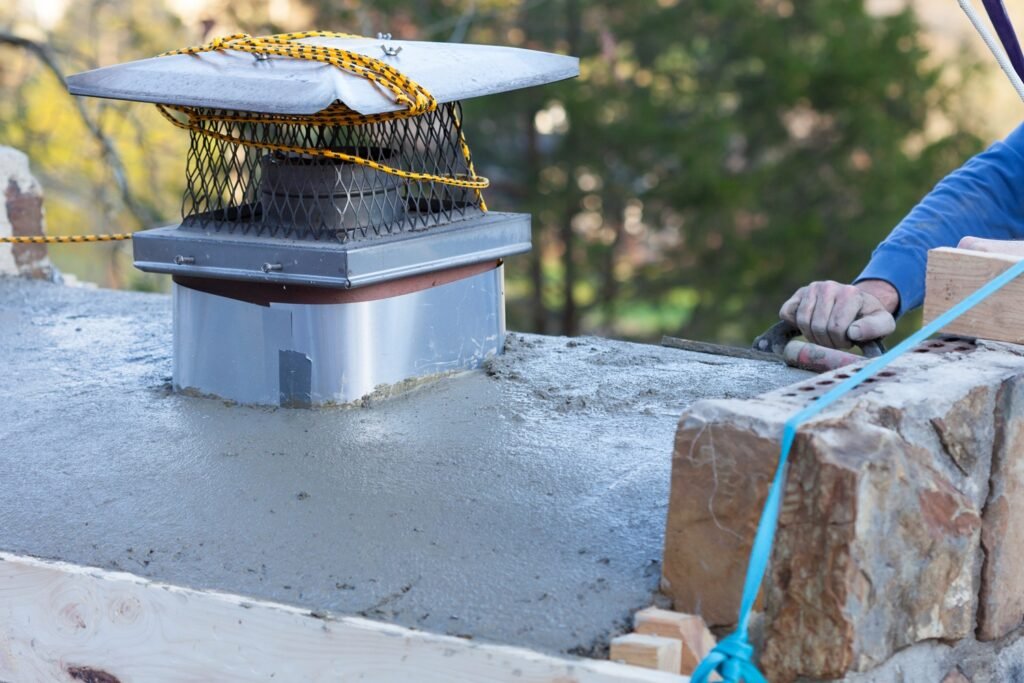
For a standard prefab slip-fit cap on a single-story home with a gentle roof pitch, DIY installation is possible for a confident and safety-conscious homeowner.
DIY Installation Process
- Measure the flue tile accurately using outside dimensions.
- Purchase the correct cap size and material (stainless steel recommended).
- Access the chimney via a properly secured, stable ladder.
- Slide the cap over the flue tile (slip-fit) or set it on the crown (top-mount) and tighten set screws.
- Check that the cap sits level and the mesh screen is undamaged.
When You Should Absolutely Call a Professional
- Your roof pitch is 8/12 or steeper.
- The chimney stack is taller than one story.
- You need a custom cap or multi-flue cover.
- You’re installing a top-sealing cap damper (cable routing and bracket attachment required)
- You’re capping off a decommissioned chimney (requires crown sealing and waterproofing)
Bottom line: A $250–$500 professional installation is considerably less expensive than a roof fall, a repeat service call, or storm damage from a cap that wasn’t properly secured.
How to Cap Off a Chimney You’re No Longer Using
Capping off a decommissioned chimney is a different job from a standard chimney cap installation. The goal is not just weather protection, it is a complete seal to prevent moisture from silently destroying the masonry over years.
Options for Capping Off an Unused Chimney
- Solid chimney cap (no mesh screen) blocks water entry completely over the flue tile.
- Chimney cap with sealed damper provides a fully airtight flue closure.
- Crown tuckpointing + waterproofing + cap is the most thorough and durable solution
- Full chimney decommissioning removes the upper portion, caps at roof level, and applies crown coat and waterproofing sealant.
Cost to properly cap off an unused chimney in Georgia: $300–$800, depending on crown condition and waterproofing scope.
Skipping this step on an unused flue leads to spalling brick, interior water stains, and structural masonry damage that routinely costs $2,000–$8,000 to repair.
Do Roofers Install Chimney Caps?
Some general roofing contractors will install a chimney cap as part of a broader roof repair, and for a simple prefab cap on a basic flue, that can work.
However, chimney caps and dampers are chimney system components, not roofing components. Accurate flue sizing, diagnosing draft problems, selecting the right cap type, and properly sealing a decommissioned flue all require chimney expertise that most roofers do not carry.
For anything beyond a basic prefab cap swap, a certified chimney specialist will give you a better result and a warranty that covers the chimney system specifically, not just the roofing work around it.
Chimney Cap Cost Summary: What to Remember
Scenario | Estimated Total Cost |
Basic prefab stainless cap, single flue | $200–$400 |
Custom stainless cap, single flue | $350–$600 |
Multi-flue cover, custom | $300–$700 |
Copper cap, single flue | $400–$850 |
Top-sealing cap damper (replaces throat damper) | $250–$600 |
Capping off unused chimney (with crown work) | $300–$800 |
Chase cover replacement (add-on) | $250–$500 |
Why Choose Archer Chimneys & Exteriors
Archer Chimneys & Exteriors is a licensed, insured, family-owned chimney and exterior services company. We are based in Newnan, GA, and serve homeowners throughout Coweta County, Marietta, and Asheville, NC.
Here is what separates us from general contractors and national chains:
- Full leak diagnosis. We assess every potential entry point on every visit. You get a complete diagnosis, not a partial fix.
- Level 2 video camera inspections: We inspect the interior of your flue from crown to firebox. We identify damage that is invisible from the outside.
- Chimney and roofing expertise combined: Since chimney leaks often involve both the chimney and the roof, our dual expertise removes the guesswork about where the water originates.
- Licensed and insured: We carry full licensing and liability coverage across all service areas.
- 279+ verified Google reviews: Our reputation is built on honest inspections and accurate repairs for homeowners throughout the Newnan area.
- Inspection fee applied to repairs: Your inspection fee counts toward any repair or service within 30 days. You are paying for real answers.
Conclusion: Is a Chimney Cap Worth the Cost?
A chimney cap is one of the highest-return investments in your entire chimney system. For $200–$500 installed, you protect against water damage that routinely costs $1,000–$5,000+ to repair, animal intrusion that can require full flue relining, and energy loss that silently raises utility bills every season. The math is simple: a chimney cap costs far less than the damage it prevents.
If your chimney cap is missing, visibly rusted, damaged by last winter’s ice, or you simply don’t know what’s up there, this is the right time to find out. Our team handles the measurement, sourcing, and installation so your chimney is protected before the next rainstorm hits.
For more updates, expert tips, and customer reviews, follow us on Facebook and Instagram, or visit our Google My Business to see why homeowners trust us.
Contact us today to schedule your inspection or get a free quote.
Frequently Asked Questions
How much does a chimney cap cost in Georgia in 2026?
The chimney cap cost in Georgia ranges from $200 to $850 installed in 2026. Most homeowners pay $250 to $500 for a quality stainless steel cap on a single-flue masonry chimney, including professional labor. Custom caps and multi-flue covers push toward the higher end of that range.
What is the difference between a chimney cap and a chimney cap damper?
A standard chimney cap protects the flue from rain, animals, and debris, but does not seal the flue shut. A chimney cap damper (top-sealing damper) does both: it covers the flue and creates an airtight seal via a rubber gasket when the fireplace is not in use, reducing energy loss by 10–30%.
How does a chimney cap damper work?
A chimney cap damper mounts a stainless steel housing at the top of the flue. A rubber-gasketed lid seals the flue airtight when closed. A stainless cable runs down inside the flue to a bracket in the firebox, allowing the homeowner to open and close the damper from inside without accessing the roof.
What does a chimney damper cap do that a throat damper cannot?
A chimney cap damper creates a precision airtight seal at the very top of the flue using a rubber gasket. Throat dampers, made of cast iron or stamped steel, warp and rust over time and cannot maintain a tight seal. A top-sealing cap damper eliminates the air leakage that throat dampers allow, often cutting heating and cooling costs by 10–30%.
Do roofers install chimney caps?
Some roofers will install basic prefab chimney caps as part of a broader roofing job. However, for correct flue sizing, diagnosing draft issues, cap damper installation, or decommissioning an unused flue, a certified chimney specialist is the appropriate professional. Roofers are trained in roofing systems, not chimney systems.