
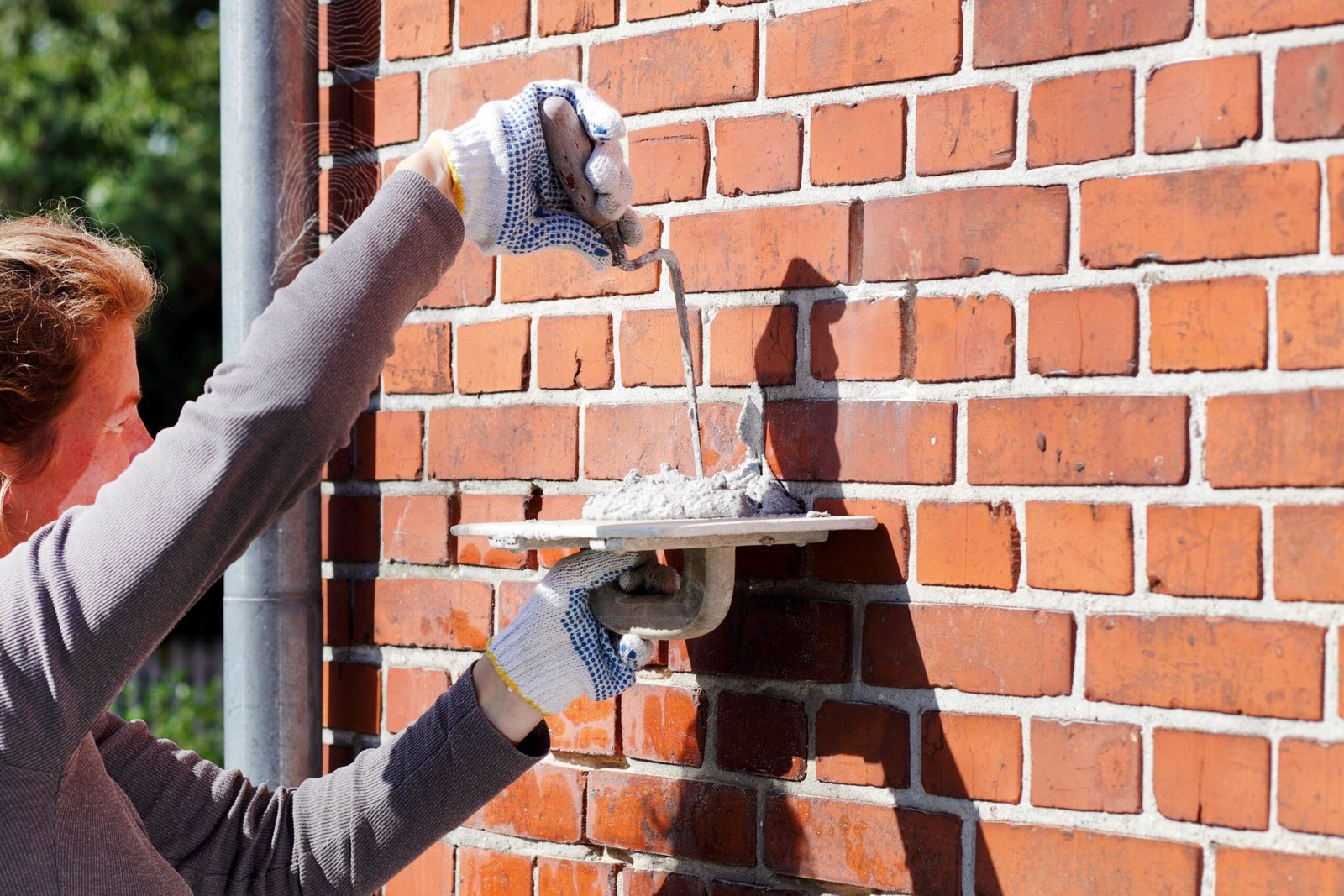
Tuckpointing is the process of removing deteriorated mortar from brick joints and replacing it with fresh mortar. It restores structural strength, stops water intrusion, and extends chimney life by 20 to 30 years. It costs $500 to $2,500 for most homes.
Tuckpointing is a masonry repair technique that restores crumbling chimney mortar. It protects your home from water damage and structural failure. Crumbling mortar between chimney bricks is a serious problem. It allows water to enter your home, weakens the structure, and leads to costly rebuilds.
This guide answers every question Georgia and North Carolina homeowners have about tuckpointing, from cost to process to lifespan.
What Is Tuckpointing? (Full Explanation)
Tuckpointing repairs the mortar joints between chimney bricks. Mortar is softer than brick and breaks down faster, typically within 20 to 30 years. When mortar fails, rain enters the gaps. Freeze-thaw cycles widen those gaps. Over time, bricks shift, and the chimney becomes unsafe.
Tuckpointing stops that process. A mason removes the old mortar to a depth of about 3/4 inch. They then pack in fresh, color-matched mortar and tool it to a clean finish. In traditional tuckpointing, a thin contrasting line of lime putty is pressed down the center of each joint. This gives the illusion of crisp, narrow joints.
In North America today, “tuckpointing” is widely used to mean any mortar replacement on brick. Either definition leads to the same outcome: a structurally sound, water-resistant chimney.
Tuckpointing vs. Repointing: Key Differences
These terms are often used interchangeably. There is a technical difference worth knowing.
Feature Comparison
Feature | Tuckpointing | Repointing |
Goal | Structural + aesthetic | Structural only |
Mortar color | Matched to brick color | Standard match |
Decorative line | Yes (lime putty fillet) | No |
Best for | Visible chimney faces, historic brick | Foundations, flues, hidden areas |
Cost | Slightly higher | Slightly lower |
Lifespan | 20 to 30 years with proper installation | 20 to 30 years with proper installation |
Bottom line: Both repair mortar and stop water damage. Choose tuckpointing when aesthetics matter. Choose repointing for structural-only repairs.
3. How Much Does Tuckpointing Cost?
Tuckpointing cost depends on the size of the area, chimney height, and mortar damage level. Here is a reliable price range for Georgia and North Carolina homeowners.
Cost Factor | Typical Price Range |
Per square foot (standard) | $5 – $15 per sq ft |
Average chimney tuckpointing job | $500 – $2,500 |
Larger or severely damaged chimney | $2,500 – $5,000+ |
Labor (per hour) | $50 – $100/hour |
Scaffolding or lift equipment | $200 – $800 additional |
Full chimney repoint (whole exterior) | $3,000 – $7,000+ |
What Raises the Cost?
- Chimney height: Work above one story requires scaffolding or a lift
- Extent of damage: Deeply recessed or missing mortar takes more time and material
- Mortar matching: Historic or specialty brick may need custom mortar blends
- Additional repairs: Cracked crowns, failed flashing, or loose bricks add to the quote
- Location: Metro Atlanta (Marietta), labor rates may run slightly higher than Newnan or Asheville
Key fact: A $500 to $800 tuckpointing job now can prevent a $5,000 to $10,000 chimney rebuild later.
How Long Does Tuckpointing Last?
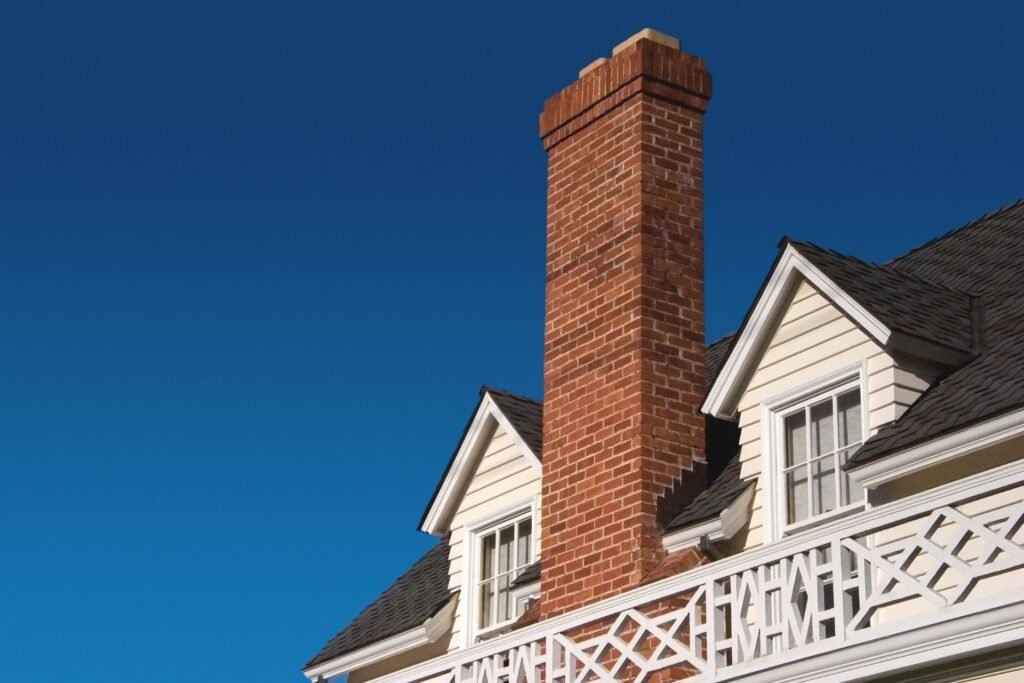
Professional tuckpointing lasts 20 to 30 years under normal conditions. Chimneys exposed to harsh weather may need attention every 15 years.
Factors That Shorten Lifespan
- Using mortar that is too hard for the existing brick
- Shallow mortar removal (under 3/4 inch)
- Missing or damaged chimney cap allowing rain into the flue
- Cracked chimney crown directing water into the mortar beds
- Freeze-thaw cycling in climates with cold winters
How to Make Tuckpointing Last Longer
- Install a quality chimney cap to keep rain out of the flue
- Repair a cracked chimney crown before water works downward
- Apply a breathable masonry waterproofer every 5 to 8 years
- Schedule an annual chimney inspection to catch early mortar wear
- Fix minor mortar cracks before they deepen into structural damage
Warning Signs Your Chimney Needs Tuckpointing
Many homeowners miss early mortar problems. Here are the seven clearest warning signs.
- Crumbling or cracked mortar joints. Mortar that flakes, cracks, or falls out needs immediate attention
- Recessed mortar. If the mortar has pulled back 1/4 inch or more from the brick face, water is already entering
- Loose or shifting bricks. Mortar failure allows individual bricks to wobble. This is a structural emergency
- Water stains inside the home. Dampness near the fireplace or on the ceiling near the chimney signals mortar failure
- Efflorescence. White, chalky staining on bricks shows that water is actively moving through the masonry
- Rust stains on the chimney exterior. Excess moisture is reaching the metal components inside the chimney
- The chimney is over 20 years old. If the mortar has never been inspected, schedule an assessment now
How to Tuckpoint Brick: The Step-by-Step Process
Understanding the process helps you evaluate contractor quality. Here is what professional tuckpointing looks like from start to finish.
- Inspection and assessment: A certified mason examines the mortar joints, brick condition, and chimney crown
- Surface preparation: The chimney is cleaned. Loose material, dirt, and debris are fully removed
- Mortar removal: A diamond-blade angle grinder removes old mortar to a consistent depth of 3/4 inch
- Mortar type matching: The mason selects the correct mortar type (Type N, S, or O)
- Mortar application: Fresh mortar is packed firmly into the cleaned joints
- Decorative line (traditional tuckpointing): A thin line of contrasting lime putty is pressed into each joint
- Curing: New mortar requires 24 to 48 hours of protection from rain
DIY Tuckpointing vs. Hiring a Professional
Factor | DIY | Professional |
Mortar matching | High risk of mismatch | Color-matched and type-correct |
Removal depth | Often too shallow | Consistent 3/4-inch depth |
Safety | Roof height risk | Properly equipped with scaffolding |
Structural judgment | Cannot assess hidden damage | Full chimney evaluation included |
Result lifespan | 5 to 10 years (if bonded) | 20 to 30 years |
Cost if done wrong | Repair costs more than the original job | Work guaranteed |
Important: Incorrect mortar type on older brick can cause the bricks themselves to crack and spall.
Why Choose Archer Chimneys & Exteriors
Archer Chimneys & Exteriors is a licensed, insured, family-owned chimney and exterior services company. We are based in Newnan, GA, and serve homeowners throughout Coweta County, Marietta, and Asheville, NC.
Here is what separates us from general contractors and national chains:
- Full leak diagnosis. We assess every potential entry point on every visit. You get a complete diagnosis, not a partial fix.
- Level 2 video camera inspections: We inspect the interior of your flue from crown to firebox. We identify damage that is invisible from the outside.
- Chimney and roofing expertise combined: Since chimney leaks often involve both the chimney and the roof, our dual expertise removes the guesswork about where the water originates.
- Licensed and insured: We carry full licensing and liability coverage across all service areas.
- 279+ verified Google reviews: Our reputation is built on honest inspections and accurate repairs for homeowners throughout the Newnan area.
- Inspection fee applied to repairs: Your inspection fee counts toward any repair or service within 30 days. You are paying for real answers
Conclusion
Tuckpointing is one of the most cost-effective repairs a homeowner can make. It stops water damage before it becomes structural failure.
Catching mortar problems early saves thousands of dollars. A $500 to $800 repair now prevents a $5,000 to $15,000 rebuild later. If your chimney is over 15 years old, shows any warning signs, or has never been inspected, now is the time to act. Archer Chimneys & Exteriors provides honest assessments and clear quotes.
For more updates, expert tips, and customer reviews, follow us on Facebook and Instagram, or visit our Google My Business to see why homeowners trust us.
Contact us today to schedule your inspection or get a free quote.
FAQs
What is tuckpointing?
Tuckpointing is the process of removing deteriorated mortar from brick joints and replacing it with fresh mortar. It restores structural integrity, stops water intrusion, and extends chimney life by 20 to 30 years.
How much does tuckpointing cost?
Tuckpointing costs between $500 and $2,500 for most residential chimney projects. The price ranges from $5 to $15 per square foot. Larger or severely damaged chimneys can exceed $5,000.
How much does tuckpointing cost per square foot?
Tuckpointing costs $5 to $15 per square foot for standard residential chimneys. Work on tall chimneys requiring scaffolding typically runs $10 to $25 per square foot due to added access complexity.
How much does it cost to tuckpoint a chimney?
The average cost to tuckpoint a chimney is $500 to $2,500. Most homeowners in Georgia and North Carolina pay around $1,000 to $1,500 for a standard chimney. Large or ornate chimneys can cost significantly more.
How long does tuckpointing last?
Professional tuckpointing lasts 20 to 30 years when done correctly. Chimneys in humid climates or those without chimney caps may need attention in 15 to 20 years. Regular inspections help extend mortar lifespan.