
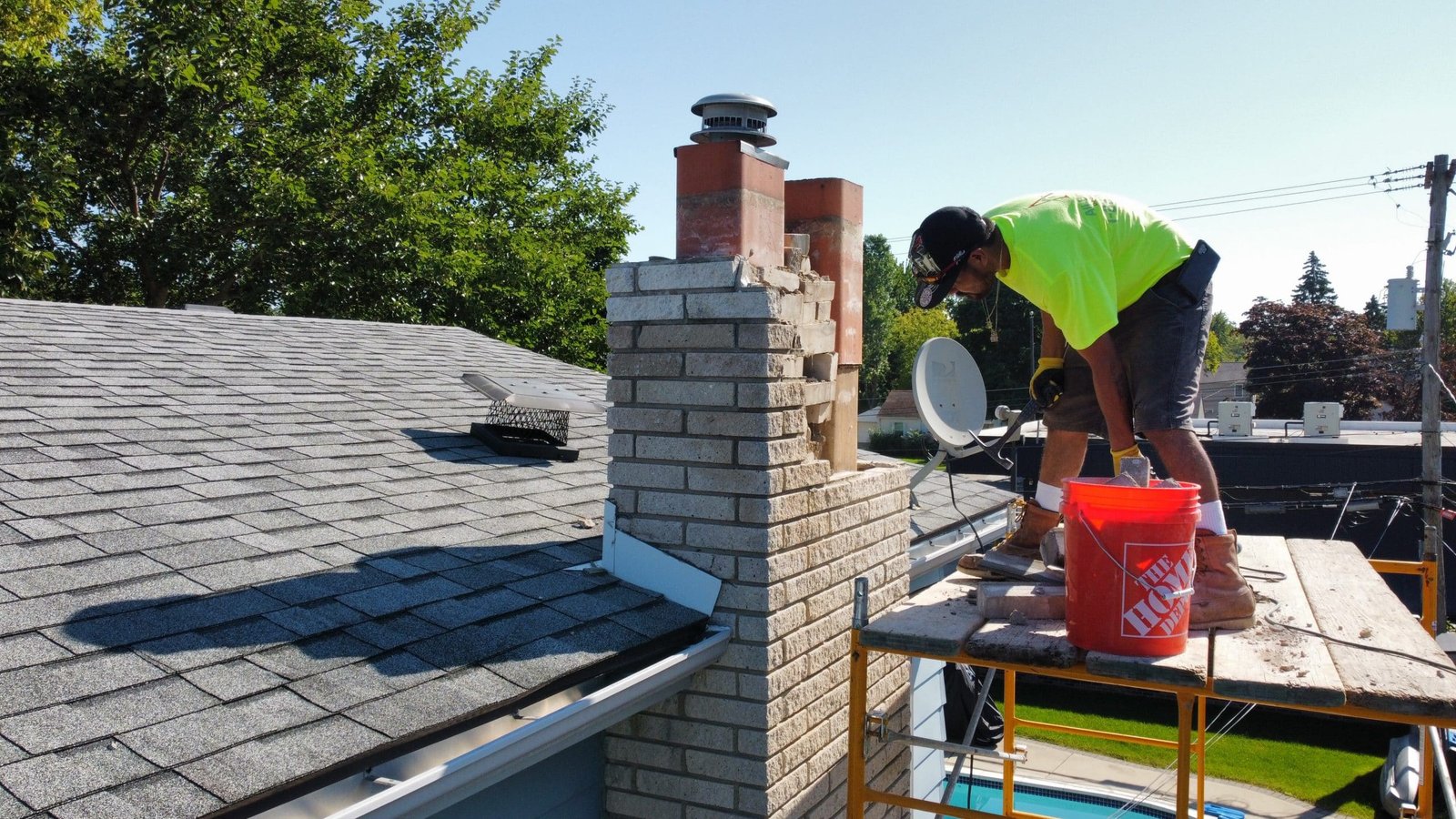
A cracked chimney is more than a small cosmetic issue. It is often the first warning sign of deeper damage inside your home. If you are searching for how to repair a cracked chimney, you are already taking the right step. Acting early can protect your home, save money, and prevent serious structural problems.
Many homeowners ignore small cracks. But even a thin line can let water inside. Over time, that water freezes, expands, and turns into major damage. According to repair insights explained by sources like HowStuffWorks and Ask This Old House, moisture is the biggest reason chimneys fail. This is why proper chimney repair is not optional, it is essential.
In this guide, you will get a clear and exact answer about how to repair a cracked chimney, including the right methods, tools, costs, and when you should call professionals like Archer Chimneys & Exteriors.
What a Cracked Chimney Really Means
A chimney is built to handle heat, weather, and time. But it is not immune to damage. When cracks appear, they create openings where water enters. This leads to hidden damage inside bricks, mortar, and even your home walls.
The biggest problem is not the crack itself. The real issue is what happens after. Water enters, freezes, expands, and weakens the entire structure. This cycle repeats again and again. This is why chimney crack repair should be done as soon as possible. A small repair today can prevent a costly rebuild tomorrow.
What Causes Chimney Cracks
To understand how to repair chimney cracks, you must first know why they happen. Every crack has a cause, and fixing the cause is just as important as fixing the crack.
Water damage is the most common reason. Rainwater enters through small openings. When winter comes, that water freezes and expands. This process slowly breaks apart masonry.
Old mortar is another major cause. Over time, mortar loses strength. This leads to gaps between bricks and requires proper chimney masonry repair. Structural movement also plays a role. Houses shift slightly over time. This can create vertical or step cracks in the chimney. Poor maintenance is another factor. Without regular inspection or waterproofing, damage builds up silently.
Understanding these causes helps you choose the best methods to repair cracks in chimney structures.
Types of Chimney Cracks You Must Identify
Not all chimney cracks are the same. Each type shows a different problem and needs a specific repair method. Understanding the crack type helps you choose the right solution and avoid bigger damage.
Chimney Crown Cracks
Chimney crown cracks are found at the very top of the chimney, on the concrete surface known as the crown. This part plays an important role because it protects the entire chimney from rain and moisture. When the crown is in good condition, it directs water away from the structure and prevents internal damage. Even small cracks in the crown should not be ignored. They may look minor at first, but they allow water to enter quickly. Once water gets inside, it starts affecting the bricks and mortar below. Over time, this leads to deeper damage that becomes more expensive to fix.
You can often spot chimney crown cracks by looking for hairline cracks on the surface, water pooling on top of the chimney, or areas where the concrete is chipping or flaking. These are early warning signs that the crown is starting to fail. The problem becomes worse during freeze-thaw cycles. Water enters the cracks, freezes in cold weather, and expands. This expansion widens the cracks and speeds up the damage process.
To fix this issue properly, you need chimney crown crack repair. In most cases, professionals or experienced homeowners use a flexible crown sealant that can handle expansion and movement. A waterproof coating is also applied to protect the crown from future moisture damage and extend its lifespan.
Mortar Joint Cracks
Mortar joint cracks are found between the bricks, where the mortar holds the entire chimney structure together. These cracks are one of the most common chimney problems homeowners face. Over time, the mortar naturally weakens due to age, constant weather exposure, and moisture damage. When mortar starts to fail, it creates small gaps between the bricks. You may notice crumbling or missing mortar, or joints that look powdery and loose. These are clear signs that the chimney is losing its strength. At this stage, water can easily enter through these gaps and begin damaging the internal structure.
Weak mortar not only allows water infiltration but also reduces the stability of the chimney. If left untreated, it can lead to loose bricks, deeper cracks, and even structural issues. That is why early attention is important.
The proper solution for this problem is repointing, which is a key part of chimney masonry repair. This process involves removing the damaged mortar and replacing it with new, strong material. Fixing mortar joint cracks early helps protect the bricks, maintain the chimney’s strength, and prevent costly repairs in the future.
Brick Cracks
Brick cracks occur when the actual bricks begin to crack, break, or deteriorate over time. These cracks are usually caused by pressure, moisture intrusion, or long-term wear from weather exposure. Unlike mortar issues, brick damage is more serious because bricks carry the structural load of the chimney.
You can identify brick cracks by looking for visible lines across the bricks, pieces of brick falling off (known as spalling), or changes in color and surface texture. These signs indicate that the brick is weakening and losing its ability to protect the chimney. When bricks are damaged, they absorb more water. This makes the problem worse, especially during freeze-thaw cycles. As water enters and expands, it increases the damage and can lead to deeper structural issues.
To fix this problem, proper cracked chimney brick repair is required. In many cases, this involves removing the damaged bricks and replacing them with new ones. This process restores the strength of the chimney and prevents further deterioration.
Structural Cracks
Structural cracks are the most serious type of chimney damage. These cracks are usually large, deep, or horizontal, and they often indicate underlying structural movement or foundation issues. Unlike surface cracks, these affect the stability of the entire chimney.
You may notice warning signs such as a leaning chimney, wide cracks that are more than a quarter inch, cracks spreading across multiple bricks, or separation between the chimney and the house wall. These signs should never be ignored. Structural cracks can lead to complete chimney failure if not addressed in time. They pose serious safety risks and can result in expensive repairs if the damage spreads.
This type of damage is not safe for DIY repair. It requires a professional inspection and advanced chimney repair techniques. Experts can identify the root cause and provide a long-term solution that ensures the chimney remains stable and secure.
Why Identifying Crack Type Matters
Identifying the type of chimney crack is one of the most important steps before starting any repair. Not every crack should be treated the same way. Each type has a different cause, and it requires a specific repair method to fix it properly. If you use the wrong repair method, the problem can become worse instead of better. For example, applying a simple sealant on a structural crack will not solve the issue. It may hide the damage for a short time, but the crack will continue to grow underneath. This leads to bigger repairs and higher costs later.
Early identification helps you take action at the right time. Small cracks are easier and cheaper to fix. When you catch the problem early, you can prevent water damage, brick deterioration, and structural issues. This reduces both repair cost and long-term damage.
It also helps you decide whether the repair can be done yourself or if you need professional help. Some minor cracks are safe for DIY, but deeper or structural cracks require expert inspection and proper chimney repair.
Knowing the crack type is the first and most important step in how to fix a cracked chimney correctly and safely.
How to Inspect a Cracked Chimney Properly
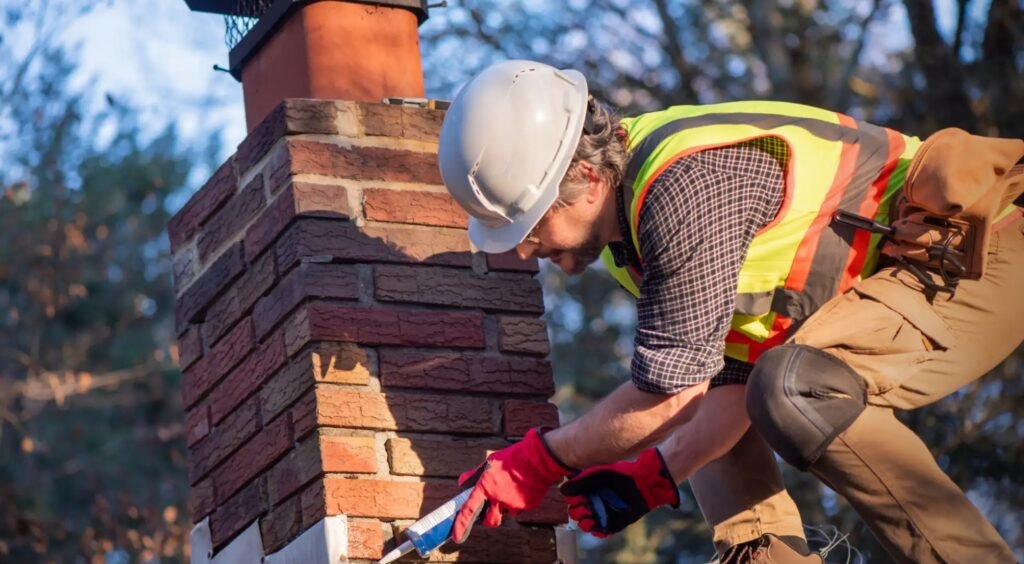
Before starting any chimney repair, inspection is necessary. You need to look closely at the chimney from top to bottom. Check the width of the crack. Hairline cracks are usually safe for DIY. Larger cracks need professional attention. Look at the location. Crown cracks, brick cracks, and mortar cracks all need different repair methods. Also check for water stains, loose bricks, or signs of damage inside your home.
This inspection step is critical. It ensures that your approach to how to repair chimney cracks is accurate and safe.
Safety and Preparation Before Repair
Safety should always come first. Chimney work involves height and tools.
Wear gloves and safety glasses. Use a stable ladder. Work only in dry weather. Clean the surface before applying any material.
Preparation plays a big role in successful chimney crack repair. If the surface is not clean or dry, the repair will not last.
Step-by-Step Guide on How to Repair a Cracked Chimney
Now let’s go through the exact process of how to repair a cracked chimney in a detailed and practical way. Following the right steps ensures the repair lasts longer and protects your chimney from further damage.
Step 1: Clean the Crack Area Properly
The first step is to prepare the surface. Cleaning the crack is very important because repair materials will not bond well to dirt or loose debris. Use a wire brush, chisel, or similar tool to remove dust, broken mortar, and any loose particles from the crack. Make sure the area is fully clean and solid before moving forward.
If this step is skipped, the repair may fail quickly. Proper cleaning ensures strong adhesion and is a key part of successful chimney crack repair.
Step 2: Dampen the Surface Before Repair
After cleaning, lightly dampen the cracked area with water. Do not soak it, just make it slightly moist.
This step prevents the dry masonry from absorbing moisture too quickly from the repair material. If the surface pulls moisture out too fast, the material may not set correctly and can weaken over time.
Dampening helps improve bonding strength and ensures a longer-lasting chimney repair.
Step 3: Apply the Right Repair Material
Choosing the correct material is critical in how to repair chimney cracks. Different cracks need different solutions.
For deeper or wider cracks, use hydraulic cement or masonry mortar. These materials are strong and can handle structural stress.
For smaller or hairline cracks, use a masonry sealant or flexible caulk. These products are designed to expand and contract with temperature changes.
Press the material firmly into the crack. Make sure it fills the entire gap, not just the surface. This creates a solid seal and prevents water from entering again.
Step 4: Smooth and Finish the Surface
Once the material is applied, use a trowel to smooth the surface. This step helps blend the repair with the surrounding area and gives a clean, finished look.
Smoothing also ensures there are no gaps or air pockets left behind. A properly finished surface improves both durability and appearance.
This step plays an important role in achieving a professional-level how to fix a cracked chimney result.
Step 5: Allow Proper Curing Time
The final step is to let the repair material cure completely. Most products require at least 24 to 48 hours to dry and harden properly.
During this time, avoid exposing the chimney to rain or heavy moisture. Proper curing ensures the repair becomes strong and long-lasting.
Rushing this step can weaken the repair and reduce its effectiveness.
Best Methods to Repair Different Chimney Cracks
Different cracks need different solutions. This is where many homeowners make mistakes.
Hairline cracks can be fixed using sealant. This is one of the simplest and best methods to repair cracks in chimney surfaces.
Mortar damage requires repointing. Old mortar is removed and replaced with new mortar. This is a key part of chimney masonry repair. Crown cracks need flexible sealants designed for chimney tops. This ensures durability and prevents future water damage. This is known as chimney crown crack repair.
Brick cracks may require replacing damaged bricks. This is more advanced and falls under cracked chimney brick repair. Using the right method ensures your repair lasts for years.
How to Repair a Cracked Chimney Crown
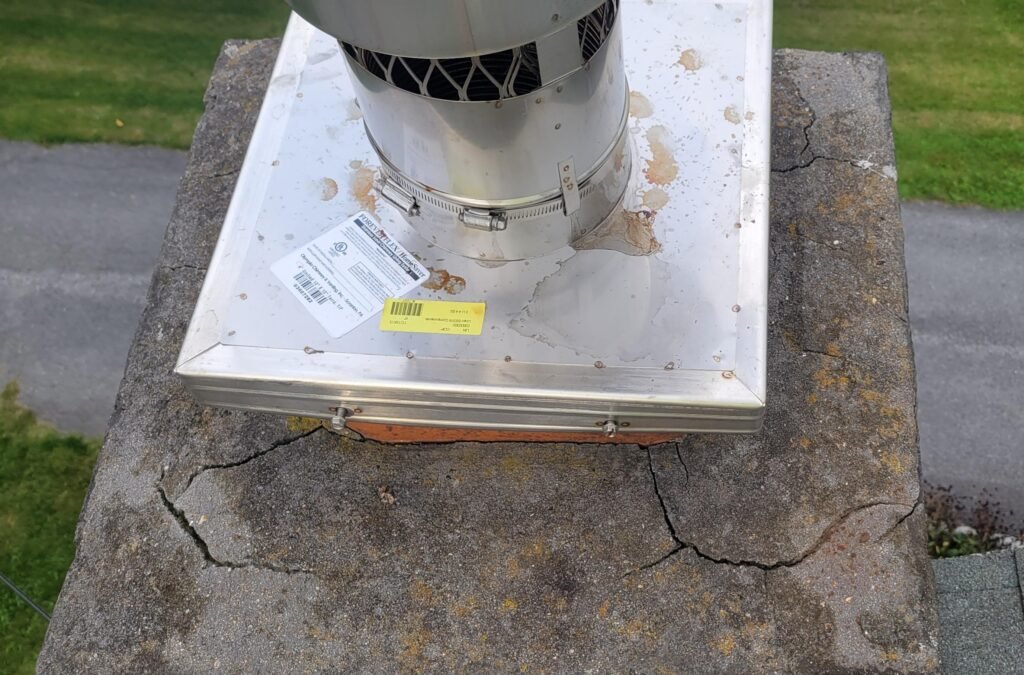
The chimney crown plays a major role in protecting the structure. When it cracks, water enters easily. To handle how to repair cracked chimney crown, start by cleaning the surface thoroughly. Remove dirt and loose material.
Apply a crown repair sealant evenly across the surface. Make sure it fills all cracks. Add a waterproof coating after the repair. This protects the crown from future damage.
Proper chimney crown crack repair can extend the life of your chimney significantly.
Chimney Crack Repair Cost Explained
One of the most common questions is about chimney crack repair cost. DIY repairs are affordable. Most materials cost between $20 and $100.
Professional repairs cost more. Minor repairs may range from $200 to $500. Crown repairs can cost $500 to $1,500. Major structural repairs can exceed $1,000.
Labor is the biggest cost factor. According to repair insights, labor can make up 70% of total cost. Fixing cracks early is always cheaper. Ignoring them increases your chimney crack repair cost over time.
DIY vs Professional Chimney Repair
Not every repair should be done yourself. Knowing the difference is important.
DIY is suitable for small cracks, minor crown damage, and surface repairs. These are manageable if you follow the correct steps.
Professional help is needed for large cracks, leaning chimneys, or water damage inside your home. Trying to fix serious damage yourself can lead to bigger problems. Choosing the right approach is part of smart chimney repair.
When You Should Call Experts
There are clear signs that you need professional help. Large cracks wider than a quarter inch are dangerous. Loose bricks or falling masonry are serious issues. Water damage inside your home is another warning sign. If you notice any of these, it is best to contact experts like Archer Chimneys & Exteriors. They provide trusted solutions and long-term results.
Common Mistakes to Avoid
Many homeowners try to fix chimney cracks on their own, but small mistakes can lead to bigger problems later. Understanding what to avoid is just as important as knowing how to repair a cracked chimney.
One of the most common mistakes is using the wrong materials. Regular household caulk or low-quality sealants are not designed to handle the heat, moisture, and temperature changes that a chimney goes through. These materials may look fine at first, but they break down quickly and fail to protect the structure. Always use products made specifically for masonry and chimney repair. Another mistake is ignoring small cracks. Hairline cracks may not seem serious, but they are often the starting point of major damage. Water enters through these small openings and expands over time. What starts as a minor issue can turn into a costly repair if left untreated. Early chimney crack repair helps prevent bigger structural problems.
Skipping waterproofing is also a major issue. Many homeowners repair the crack but do not protect the surface afterward. Without waterproofing, moisture can enter again and cause the same damage to repeat. A proper sealant or breathable waterproof coating is essential to extend the life of your repair. Rushing the repair process is another problem. Not allowing enough curing time weakens the repair and reduces its effectiveness. Every repair material needs time to set properly. Following the correct curing time ensures a strong and lasting result.
Avoiding these common mistakes improves the success of your chimney repair and helps keep your chimney strong and safe for years.
How to Prevent Chimney Cracks in the Future
Preventing chimney cracks is always better than repairing them. With proper care and maintenance, you can protect your chimney and avoid frequent damage.
Regular inspections play a key role in prevention. Checking your chimney at least once a year helps you spot small issues before they become serious. Early detection allows you to fix problems quickly and avoid expensive repairs. Waterproofing is one of the most effective ways to protect your chimney. A high-quality, breathable sealant keeps water out while allowing moisture inside the masonry to escape. This reduces the risk of cracks caused by freeze-thaw cycles and long-term water exposure.
Installing a chimney cap is another simple but important step. A chimney cap prevents rainwater, debris, and even animals from entering the chimney. This reduces moisture buildup and protects the internal structure. Maintaining the chimney crown and flashing is also important. These areas are the first line of defense against water. Keeping them in good condition helps prevent cracks from forming.
Simple and regular maintenance can significantly reduce the need for frequent chimney crack repair. Taking these steps not only extends the life of your chimney but also keeps your home safe and protected.
Why Professional Service Matters
Even though DIY methods work for small repairs, professional service offers long-term peace of mind.
At Archer Chimneys & Exteriors, we understand the real problems homeowners face. Water leaks, damaged bricks, and safety risks are common concerns. We provide solutions that fix the root cause, not just the surface issue. We use the right materials, proven techniques, and expert inspection to ensure your chimney stays strong for years.
If you are unsure about your chimney condition, we recommend a full inspection. Our team will guide you with honest advice and the best repair options.
Contact Us for Reliable Chimney Repair
If your chimney shows any signs of damage, do not wait. We provide expert chimney repair, including crown repair, masonry repair, and full inspections.
Visit our website. Get professional help before small cracks become major problems.
Conclusion
Now you have a clear and exact understanding of how to repair a cracked chimney. The key is to act early, use the right methods, and understand when to call professionals. Small cracks may seem harmless, but they can lead to serious damage if ignored. Proper chimney crack repair protects your home, saves money, and ensures safety.
If you want long-lasting results, do not take risks. Whether it is a minor crack or a major issue, choosing the right solution matters. Your chimney protects your home. Take care of it the right way.
Frequently Asked Questions
How to repair a cracked chimney safely at home?
Small cracks can be fixed using sealant or mortar. Clean, fill, and seal the crack properly. For deep damage, call Archer Chimneys & Exteriors for safe chimney repair solutions.
What is the best method to repair chimney cracks?
The best methods to repair cracks in chimneys depend on size. Use sealant for small cracks and mortar for larger ones. Proper chimney crack repair prevents water damage and extends chimney life.
How much does chimney crack repair cost?
Chimney crack repair cost ranges from $20 for DIY to $1,500+ for major damage. Early chimney repair reduces cost and prevents structural issues from getting worse over time.
Can cracked chimney brick repair be done without replacing bricks?
Minor cracks can be sealed, but severe damage needs cracked chimney brick repair with replacement. This restores strength and prevents further moisture damage in chimney masonry repair.
How to repair a cracked chimney crown before it gets worse?
To repair the cracked chimney crown, clean the surface and apply sealant. Proper chimney crown crack repair stops water entry and protects the chimney from long-term damage.