Does homeowners’ insurance require a chimney inspection? Most policies do not name it outright, but maintenance clauses make it a practical requirement. Insurers use inspection records to decide if damage was sudden and covered or gradual and denied. Without documentation, claims are often rejected.
You file a claim after a storm damages your chimney. Your adjuster asks for your last inspection record.
Many homeowners find out too late that insurers expect proof of maintenance. This guide answers whether homeowners’ insurance requires a chimney inspection and what to do next
What You'll Learn
- Whether homeowners’ insurance requires a chimney inspection in Georgia and North Carolina
- Does insurance cover chimney damage, and which causes are excluded
- Why does a chimney damage insurance claim get denied
- What chimney inspection documentation for insurance must include
- Whether an annual chimney inspection insurance requirement actually exists
- Real inspection pricing across Newnan, Marietta, and Asheville
Does Homeowners Insurance Require a Chimney Inspection?
Standard policies rarely list chimney inspections as a named requirement. Smoke detectors get that treatment. Chimneys do not.
But every policy excludes damage from neglect or wear and tear. Insurers lean on inspection history to prove which category applies.
The Maintenance Clause Behind the Requirement
Your policy likely excludes damage from lack of maintenance. Adjusters use your inspection record as evidence.
No record means the insurer can argue the damage was gradual. That argument often leads to a denied claim.
When an Inspection Becomes Mandatory
- Home sales: Most lenders and GA/NC contracts require a Level 2 inspection before closing
- After a claim event, insurers often require a Level 2 video inspection before approving a payout
- New coverage on older homes: Some carriers request a baseline inspection
- Local code updates: Coweta County and surrounding jurisdictions periodically revise fire code language
Does Insurance Cover Chimney Damage?
Coverage depends entirely on the cause. Sudden, accidental damage is usually covered.
Gradual deterioration is treated as a maintenance issue. That is the homeowner’s responsibility, not the insurer’s.
Damage Typically Covered
- Lightning strikes the chimney structure
- Wind damage that cracks or topples the crown or cap
- Falling tree limbs during a storm
- A sudden, documented chimney fire
Damage Typically Denied
- Cracked mortar joints from years of freeze-thaw cycling
- Creosote buildup that eventually causes a flue fire
- Water intrusion from an unsealed chimney crown
- Leaning chimneys tied to a pre-existing foundation issue
Chimney Damage Insurance Claim Denied? Common Causes
A denial rarely means there was no damage. It usually means the cause could not be confirmed.
- No inspection history for the past 12 months
- Photos submitted without a professional cause assessment
- Damage pattern consistent with gradual wear, not a single event
- Missing repair or sweep receipts
A denied claim can often be appealed. A licensed inspector’s report addressing the cause carries real weight.
Timing matters too. A fast inspection after damage makes it easier to prove the event caused it.
Chimney Inspection Documentation for Insurance
Adjusters need more than a quick note. Proper documentation must include specific, dated details.
- Inspection level performed (Level 1, 2, or 3), based on National Fire Protection Association (NFPA 211) guidelines
- Video scan footage of the flue interior, standard for Level 2 inspections
- Dated, itemized findings on the crown, flue liner, flashing, and masonry
- Photographic evidence of any existing damage or deterioration
- Technician and company details, including license and insurance status
A Level 2 inspection, which scopes the full flue by camera, is what adjusters expect. A basic Level 1 visual check is usually not enough on its own.
Is an Annual Chimney Inspection an Insurance Requirement?
The National Fire Protection Association recommends inspecting your chimney every year. Insurers do not always print this in a policy.
Still, treating it as a requirement protects you. It creates a paper trail and catches small problems early.
- Builds a continuous record insurers can reference during a claim
- Catches hairline crown cracks before they become structural repairs
- Satisfies most manufacturer warranty terms on liners, inserts, and stoves
Georgia and North Carolina see humidity swings and freeze-thaw winters. Both accelerate mortar wear faster than drier climates.
Homes near Asheville often see faster wear at elevation. That is worth mentioning when you ask your agent about inspection frequency.
Inspection Costs in Newnan, Marietta & Asheville
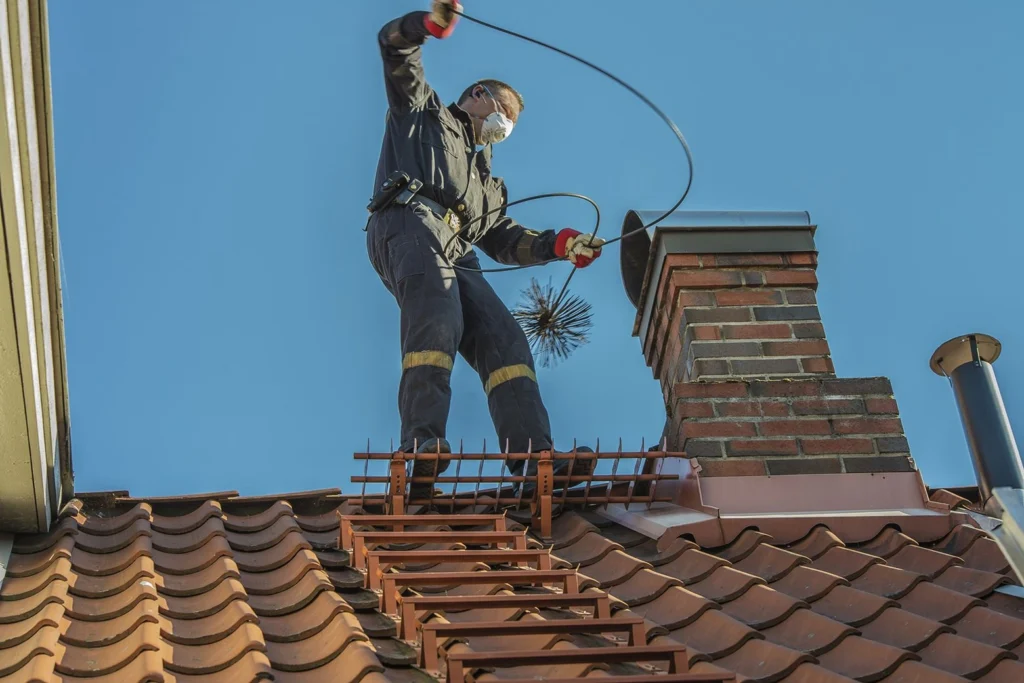
Pricing depends on the inspection level your situation requires.
- Level 1 Inspection ($149.99): A visual check of accessible components. Useful for annual maintenance, but usually not sufficient for a claim
- Level 2 Camera Inspection ($199.99): A full video scan of the flue interior, the level most insurers request
- Level 2 Inspection with Sweep & Camera ($299.99): Combines cleaning with a complete interior flue scan
Inspection fees can apply toward future repair or service work within 30 days, excluding routine cleanings.
Why Choose Archer Chimneys & Exteriors
Archer Chimneys & Exteriors is a licensed, insured, family-owned chimney and exterior services company. We are based in Newnan, GA, and serve homeowners throughout Coweta County, Marietta, and Asheville, NC.
Here is what separates us from general contractors and national chains:
- Full leak diagnosis. We assess every potential entry point on every visit. You get a complete diagnosis, not a partial fix.
- Level 2 video camera inspections: We inspect the interior of your flue from the crown to the firebox. We identify damage that is invisible from the outside.
- Chimney and roofing expertise combined: Since chimney leaks often involve both the chimney and the roof, our dual expertise removes the guesswork about where the water originates.
- Licensed and insured: We carry full licensing and liability coverage across all service areas.
- 279+ verified Google reviews: Our reputation is built on honest inspections and accurate repairs for homeowners throughout the Newnan area.
- Inspection fee applied to repairs: Your inspection fee counts toward any repair or service within 30 days. You are paying for real answers.
Conclusion: Protecting Your Chimney Means Protecting Your Claim
Homeowners insurance protects against sudden damage, not routine upkeep. Documentation is what separates an approved claim from a denied one.
So, does homeowners’ insurance require a chimney inspection? Not by name, but the outcome of your next claim may depend on having one.
For more updates, expert tips, and customer reviews, follow us on Facebook and Instagram, or visit our Google Business Profile to see why homeowners trust us.
Contact us today to schedule your inspection or get a free quote.
Frequently Asked Questions: Chimney Inspections & Homeowners Insurance
Does homeowners' insurance require a chimney inspection every year?
Most policies do not state this outright. But annual inspections build the documentation insurers expect during a claim.
Does insurance cover chimney damage from a storm?
Yes, in most cases. Wind, lightning, and falling tree limbs are typically covered as sudden, accidental events.
Why was my chimney damage insurance claim denied?
Denials usually happen when there is no inspection record or the damage looks gradual rather than sudden.
What documentation do insurance companies want for a chimney claim?
They want a dated inspection report, photos, video footage from a Level 2 scan, and technician credentials.
Is a Level 1 or Level 2 inspection required for an insurance claim?
Most insurers require a Level 2 inspection with camera footage for damage claims and property transfers.