
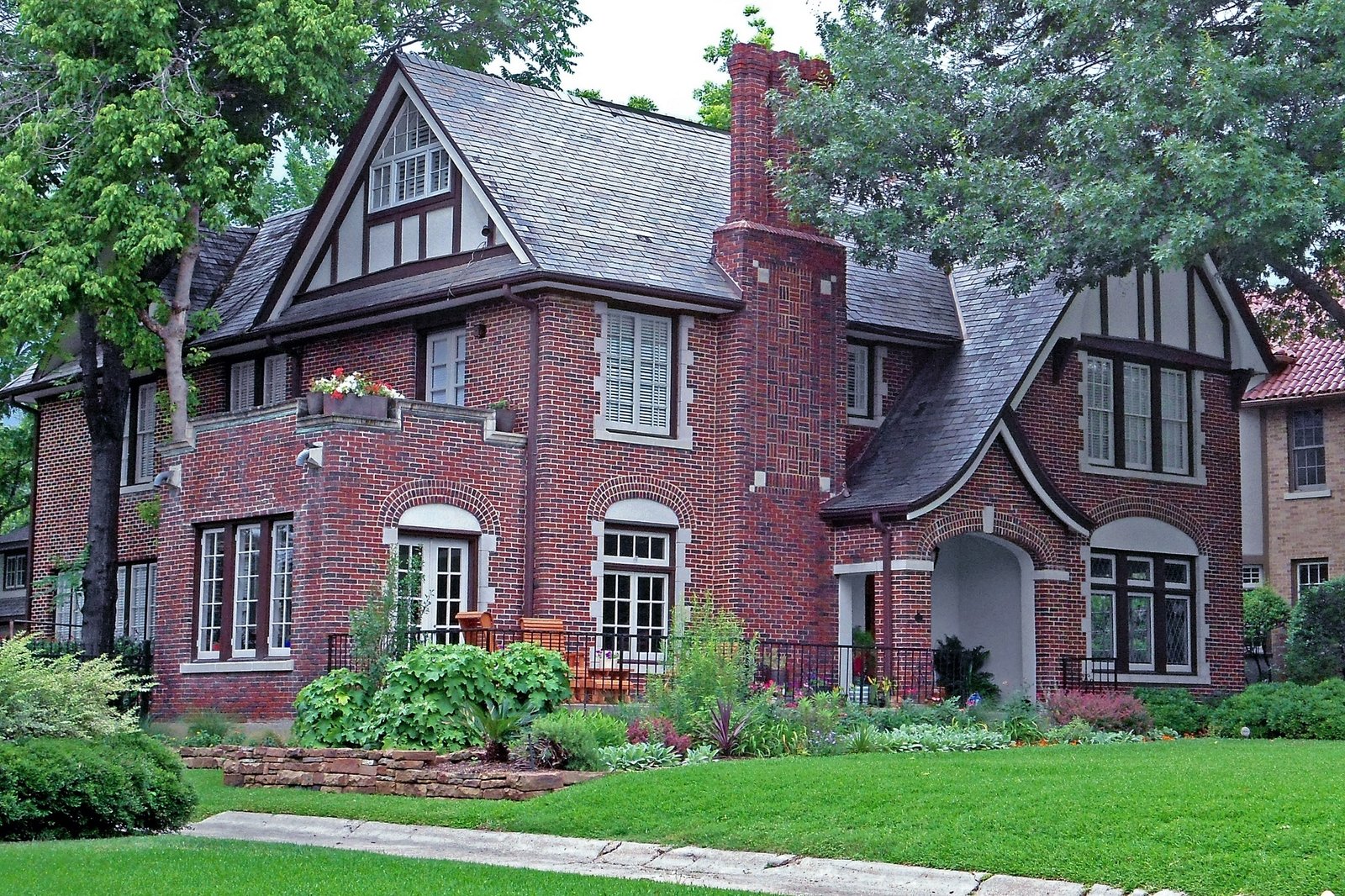
Masonry veneer is a thin, non-structural layer of brick or stone attached to a wall’s surface. It provides the look of solid masonry without bearing any structural load. It is lighter, faster to install, and typically less expensive than full solid masonry.
Masonry veneer is one of the most searched home improvement topics and one of the most misunderstood.
This guide answers every key question about masonry veneer. It covers types, installation, costs, and when you need a licensed professional.
What Is Masonry Veneer? The Full Definition
Masonry veneer is a decorative, non-load-bearing outer layer of brick, stone, or manufactured material.
It is fastened to an existing structural wall or wood-frame backing. The wall itself carries the building’s load, not the veneer.
Think of it as a protective and decorative skin over your home’s structure.
What Masonry Veneer Is NOT
- It is not a structural element
- It does not rest on a concrete footing
- It is not the same as solid brick or stone masonry
What Is the Difference Between Masonry and Masonry Veneer?
This is the most important distinction for homeowners to understand.
Solid Masonry | Masonry Veneer |
Structural bears the building load | Non-structural decorative only |
Requires its own concrete footing | Attaches to existing wall or framing |
4 to 12+ inches thick | 1 to 4 inches thick |
Higher cost and labor time | Lower cost, faster installation |
Common in pre-1980 construction | Standard in modern residential builds |
Masonry supports itself | Structural wall supports the masonry |
Key takeaway: Most brick homes built after 1980 use masonry veneer, not solid brick.
Types of Masonry Veneer
There are two broad categories. Each has distinct subtypes.
1. Anchored Masonry Veneer
Units are tied to the structural wall using metal anchors or ties.
A 1-inch air gap is left between the veneer and the wall for drainage.
- Full brick veneer, traditional clay or concrete brick units
- Natural stone veneer: limestone, slate, granite, fieldstone
- Concrete masonry units (CMU) are used in commercial applications
2. Adhered Masonry Veneer
Units are bonded directly to the wall substrate using mortar or adhesive.
No air gap is required. This is the most popular residential option.
- Manufactured stone veneer (MSV) lightweight concrete panels molded to mimic natural stone
- Thin brick veneer, real brick sliced to 1/2 to 1 inch thickness
- Ceramic and porcelain tile veneer used for fireplace surrounds and interior walls
What Is Masonry Veneer Construction? Step-by-Step
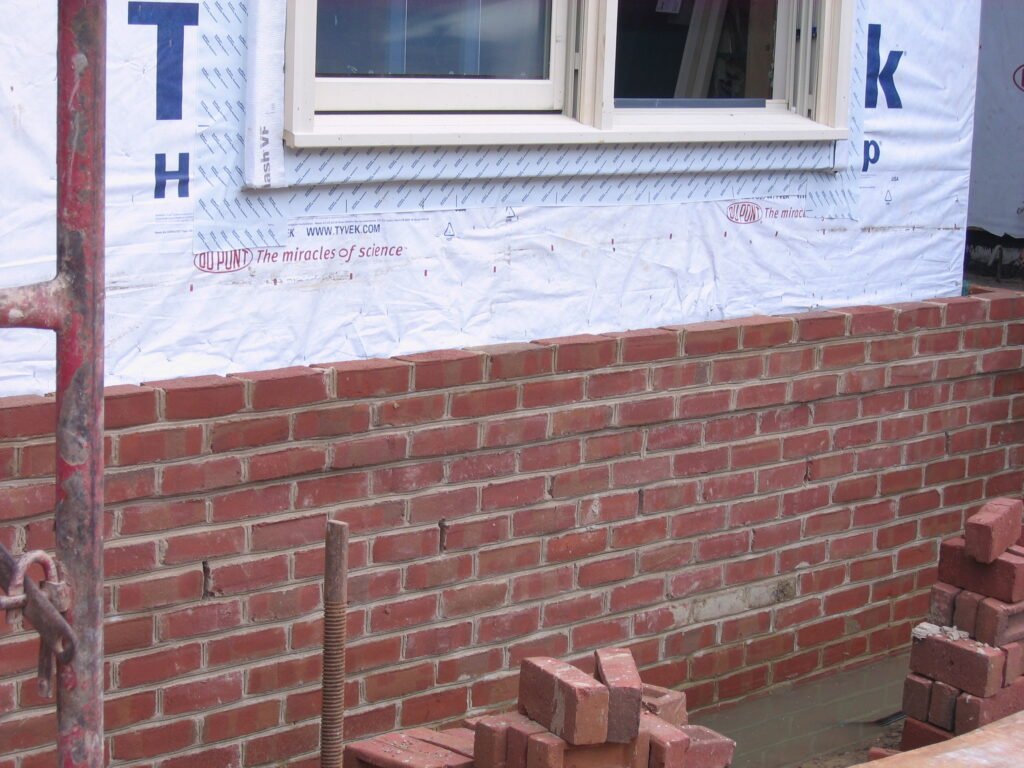
Professional veneer installation follows a strict sequence. Skipping any step leads to failure.
- Prepare the substrate. The wall must be plumb, sound, and waterproofed. A weather-resistant barrier (WRB) and metal lath are installed over wood framing.
- Apply the scratch coat. A Portland cement and masonry sand mortar layer is applied to the lath and scored. These bonds adhered to the veneer units.
- Set the veneer units. Each brick or stone is set in a mortar bed with consistent 3/8- to 1/2-inch joints. Units are staggered for strength.
- Tool the mortar joints. Joints are shaped once the mortar reaches thumbprint hardness. Concave or V-profiles shed water best.
- Install flashing and weep screed. Critical at the base of the veneer to allow drainage and prevent moisture wicking.
- Cure and seal. Veneer must cure for 28 days. A penetrating masonry sealer adds moisture protection essential in Georgia’s humid climate.
Georgia Contractor Tip: Georgia red clay soil creates drainage challenges near home foundations. Always ensure proper flashing and weep screed at the base of any veneer system. Archer Chimneys & Exteriors includes this inspection in every masonry quote.
What Is a Limited Access Zone for Masonry Construction?
A limited access zone (LAZ) is a protected perimeter around an unsupported masonry wall during construction.
OSHA standard 29 CFR 1926.706 mandates its use.
Requirements:
- The LAZ must be established before any masonry wall construction begins
- It must equal the wall height plus four feet on the unscaffolded side
- It must run the full length of the wall being constructed
- Only employees actively working on the wall may enter the zone
- The LAZ stays in place until the wall is braced or adequately supported
Why this matters for homeowners: Partial chimney rebuilds and tall veneer walls carry collapse risks. Always verify your contractor follows OSHA-compliant safety protocols.
What Is Joisted Masonry?
Joisted masonry describes a building with masonry exterior walls but wood-joist interior framing.
This is the most common construction type in residential Georgia, including Newnan, Marietta, and Atlanta suburbs.
Why Joisted Masonry Classification Matters
- Insurance premiums: Joisted masonry is rated differently than frame or solid masonry
- Fire risk: Wood joists inside a masonry exterior still burn
- Code clearances: Requires a minimum 2-inch clearance from combustibles
If a home inspector classifies your home as joisted masonry, schedule a chimney inspection to verify code clearances.
How to Build a Masonry Fireplace and Chimney
A masonry fireplace build is one of the most complex residential projects.
Stage 1 Foundation and Footing
Every masonry fireplace needs its own reinforced concrete footing.
In Georgia, footings must extend below the frost line. They are typically 6 to 8 inches thick and 12 inches wider than the fireplace on all sides.
Stage 2 The Firebox
Built with refractory (firebrick) rated for 2,000°F or higher.
Standard Rumford proportions govern firebox dimensions.
Stage 3 Smoke Chamber and Damper
Directs combustion gases upward. A damper is set at the throat to prevent backdraft.
Stage 4 Chimney Stack
Built with brick and lined with clay tile or stainless steel.
Requirements:
- Minimum 2-inch air gap from combustibles
- Must extend 3 feet above the roof penetration
- Must be 2 feet higher than anything within 10 feet
Stage 5 Flashing, Crown, and Waterproofing
Includes step flashing, counter flashing, and a sloped crown.
The crown must overhang at least 2 inches.
Permit Required: Building a masonry fireplace and chimney requires permits in all Georgia municipalities. Archer Chimneys & Exteriors manages the permitting process.
Masonry Veneer Cost Guide Georgia 2026
Project Type | Estimated Cost Range |
Manufactured stone veneer (installed) | $8 – $18 per sq ft |
Real brick veneer (installed) | $12 – $30 per sq ft |
Fireplace veneer reface (interior) | $1,500 – $6,000 |
Chimney tuckpointing/repair | $300 – $2,500 |
Full masonry fireplace built | $8,000 – $30,000+ |
Chimney rebuild | $2,000 – $15,000+ |
$200 – $800 |
Factors affecting price:
- Material selection
- Accessibility
- Permits
- Local labor rates
Where to Buy Masonry Sand in Georgia
Masonry sand must comply with ASTM C144 specifications.
- Local suppliers 84 Lumber, ProBuild, ABC Supply
- Quarry suppliers Vulcan Materials, Martin Marietta
- Retailers Home Depot, Lowe’s
Licensed contractors included in project quotes
Why Choose Archer Chimneys & Exteriors
Archer Chimneys & Exteriors is a licensed, insured, family-owned chimney and exterior services company. We are based in Newnan, GA, and serve homeowners throughout Coweta County, Marietta, and Asheville, NC.
Here is what separates us from general contractors and national chains:
- Full leak diagnosis. We assess every potential entry point on every visit. You get a complete diagnosis, not a partial fix.
- Level 2 video camera inspections: We inspect the interior of your flue from crown to firebox. We identify damage that is invisible from the outside.
- Chimney and roofing expertise combined: Since chimney leaks often involve both the chimney and the roof, our dual expertise removes the guesswork about where the water originates.
- Licensed and insured: We carry full licensing and liability coverage across all service areas.
- 279+ verified Google reviews: Our reputation is built on honest inspections and accurate repairs for homeowners throughout the Newnan area.
- Inspection fee applied to repairs: Your inspection fee counts toward any repair or service within 30 days. You are paying for real answers
Conclusion
Now you know exactly what masonry veneer is, how it differs from solid masonry, and how it is built.
You understand joisted masonry, OSHA safety requirements, chimney construction, and Georgia costs.
When your home needs masonry veneer installation, chimney repair, or a complete fireplace build, Archer Chimneys & Exteriors delivers licensed, code-compliant results.
For more updates, expert tips, and customer reviews, follow us on Facebook and Instagram, or visit our Google My Business to see why homeowners trust us.
Contact us today to schedule your inspection or get a free quote.
FAQs
What is masonry veneer?
Masonry veneer is a thin, non-structural layer of brick or stone applied to the exterior surface of a wall. It provides the appearance of solid masonry without bearing any structural load.
What is the difference between masonry and masonry veneer?
Solid masonry is structural; it bears the building’s load and rests on a concrete footing. Masonry veneer is non-structural. It is attached to an existing wall and does not support the building’s weight.
What is masonry veneer construction?
Masonry veneer construction is the process of installing a non-load-bearing brick or stone layer on a building’s exterior. It involves substrate preparation, scratch coat application, unit setting, joint tooling, and sealing.
What is joisted masonry?
Joisted masonry refers to a building with masonry exterior walls and wood-joist interior framing. It is the most common residential construction type in Georgia. It is classified separately for insurance and fire code purposes.
What should a limited-access zone for masonry construction include?
A limited access zone must equal the wall height plus four feet. It must run the full wall length. Only workers actively building the wall may enter. The zone remains until the wall is structurally supported.