
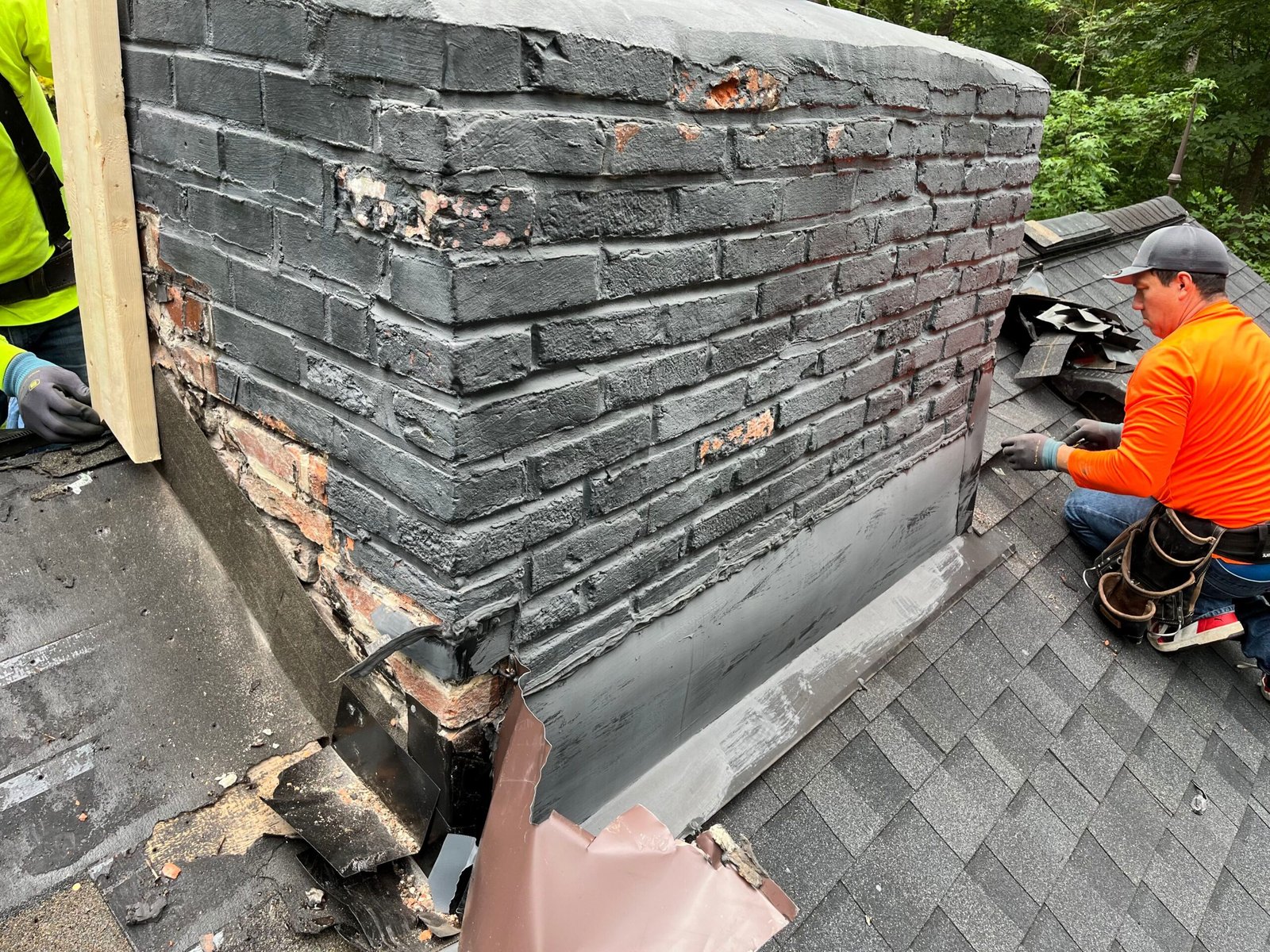
A chimney leaks because of one or more of these seven problems: a missing or damaged chimney cap, a cracked chimney crown, failed flashing, porous or spalled brick, condensation from an oversized flue, cracked flue tiles, or lack of waterproofing. Each cause has a specific repair.
Your chimney is leaking, and you need answers fast. Water damage spreads quickly and silently behind walls and ceilings.
This guide covers the 7 proven causes of chimney leaks. It also explains exactly how each one is fixed and what it costs.
Why a Leaking Chimney Is Urgent
Ignoring a chimney leak is one of the costliest home maintenance mistakes. Small leaks grow into big structural problems.
Here is what water damage inside a chimney causes over time:
- Spalling bricks: Freeze-thaw cycles fracture brick faces and mortar joints.
- Rusted damper: Moisture seizes metal parts and stops them from operating.
- Cracked flue liner: Broken tiles allow carbon monoxide to enter the living space.
- Rot in wood framing: Water reaching the chimney chase soaks and rots structural lumber.
- Mould growth: Chronic dampness behind walls creates hazardous mould conditions.
A $200 chimney cap repair left unfixed can easily become a $5,000 interior restoration job.
The 7 Causes of a Leaking Chimney (And How to Fix Each One)
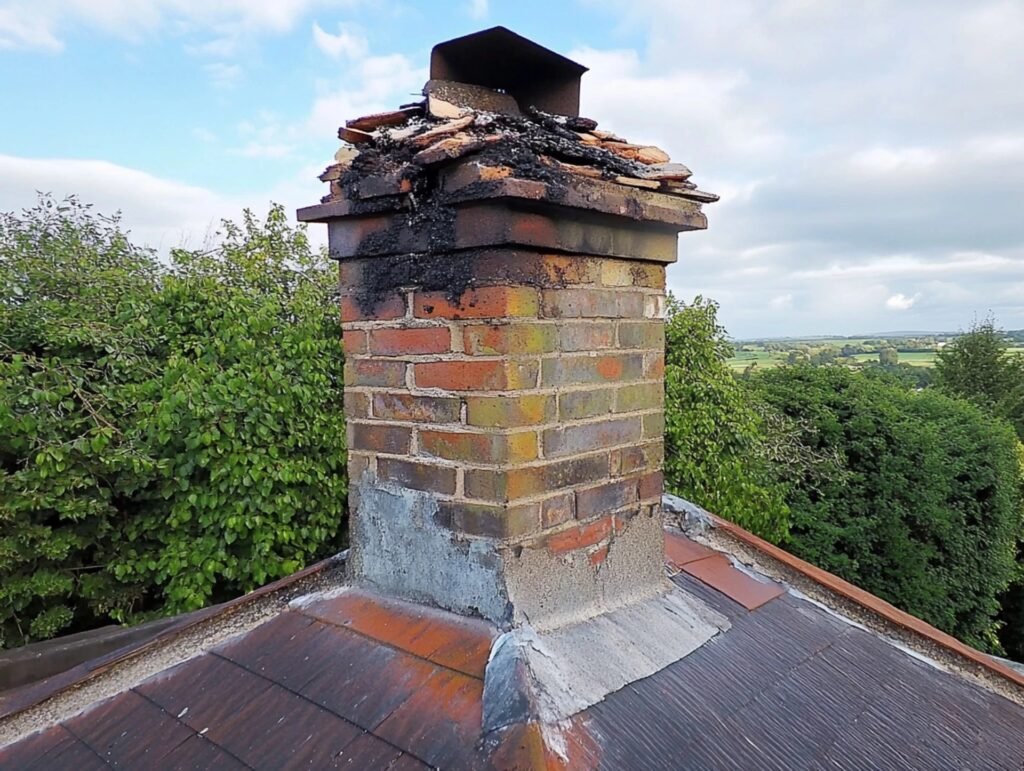
Cause 1: Missing or Damaged Chimney Cap
The chimney cap covers the top of the flue opening. It blocks rain from falling straight into the chimney.
Without a cap or with a cracked one, water enters every time it rains.
Signs of this problem:
- Water pools in the firebox after rain
- You can see daylight looking straight up the flue
- Animal nesting debris was found inside the chimney
The fix: Install a stainless steel or copper chimney cap with a mesh spark arrestor. Choose the correct size for your flue dimensions.
Typical cost: $150 to $400 installed.
Cause 2: Cracked Chimney Crown
The chimney crown is the concrete slab at the top of the chimney. It seals the space between the flue liner and the chimney edge.
Georgia’s heat cycles cause the crown to crack over time. Cracks let rain pour directly into the chimney structure.
Signs of this problem:
- Visible cracks across the top of the chimney
- Leaks only during rain, not during normal fireplace use
- Masonry debris or chunks appearing in the firebox
The fix: Seal hairline cracks with elastomeric crown sealant. Replace the full crown if it is crumbling or deeply fractured.
Typical cost: $200 to $500 for sealant repair; $600 to $1,500 for full crown replacement.
Cause 3: Failed Chimney Flashing
Chimney flashing is a metal sheet installed where the chimney meets the roof. It creates a watertight seal at that junction.
Flashing fails when caulking dries out, metal corrodes, or the chimney settles and pulls the flashing loose.
Signs of this problem:
- Water stains on the ceiling next to the chimney
- Peeling paint on interior walls near the fireplace
- Visible rust streaks or gaps at the roof-chimney line
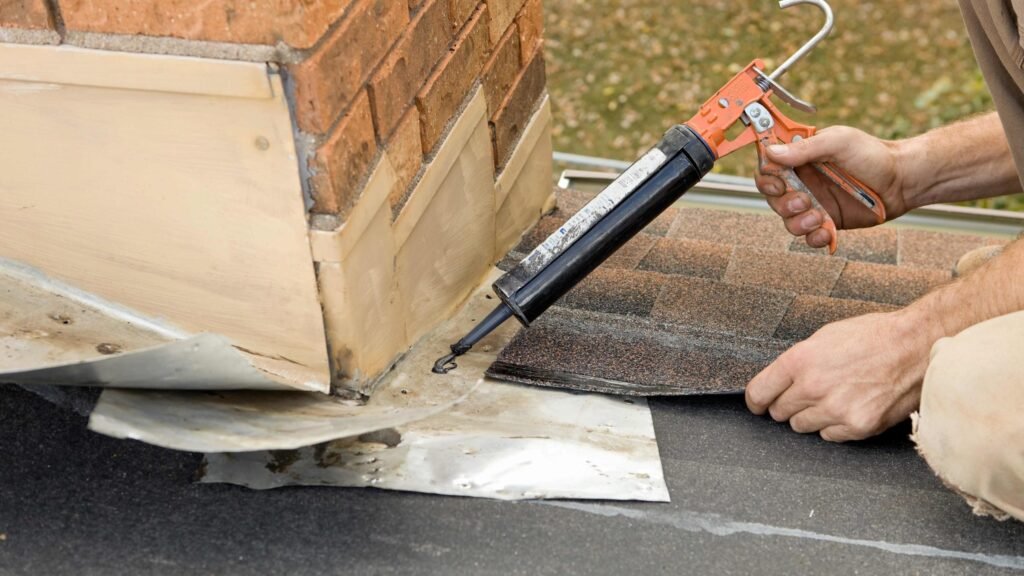
The fix: Minor damage: reseal with roofing caulk. Severe damage: remove and replace all flashing with properly embedded counter flashing and step flashing.
Typical cost: $300 to $500 for resealing; $800 to $1,500 for full replacement.
Cause 4: Porous or Spalling Brick and Mortar
Brick is naturally porous. After years of exposure to Georgia’s wet seasons, old brick absorbs water like a sponge.
Freeze-thaw cycles force that water to expand and fracture the brick from the inside out.
Signs of this problem:
- White chalky staining (efflorescence) on the chimney exterior
- Brick faces flaking or popping off
- Mortar joints are visibly recessed, crumbled, or hollow
The fix: Tuckpoint deteriorated mortar joints by grinding them out and packing in fresh mortar. Replace severely spalled bricks. Apply a vapour-permeable waterproofer as the final step.
Typical cost: $500 to $2,500 for tuckpointing; $200 to $600 for waterproofing.
Cause 5: Condensation Inside an Oversized Flue
This cause is often misdiagnosed as a rain leak. It happens when a gas appliance is installed inside an old, oversized chimney.
Hot exhaust gases cool too fast inside the large flue. They condense on the cold walls as liquid water even on dry days.
Signs of this problem:
- Moisture inside the chimney with no rain
- Musty or sulfuric smell when the appliance runs
- Recent conversion from a wood-burning to a gas appliance
The fix: Install a correctly sized flexible stainless steel liner. This reduces the flue diameter, keeps the exhaust warmer, and stops condensation buildup.
Typical cost: $900 to $2,500 for liner installation.
Cause 6: Cracked or Damaged Flue Tiles
Clay tile flue liners contain heat and combustion gases. They crack from thermal expansion, chimney fires, or age.
Cracked tiles allow water and dangerous gases to migrate through the chimney walls into the home.
Signs of this problem:
- Grey or white tile shards in the firebox
- A combustion smell in the living areas when the fireplace runs
- Confirmed leak with no visible cap, crown, or flashing issue
The fix: Order a Level 2 camera inspection first. Minor tile cracks can be repaired with a ceramic flue sealant system. Major liner failure requires full relining.
Typical cost: $200 to $800 for sealant repair; $1,000 to $4,000 for relining.
Cause 7: No Chimney Waterproofing Protection
Even a structurally sound chimney will absorb water over time without waterproofing. Untreated masonry is porous by design.
In Newnan, GA, annual rainfall averages over 50 inches. That is constant moisture pressure on every unprotected chimney surface.
Signs of this problem:
- Chimney passes inspection but tests positive for water absorption
- No visible cracks, but interior dampness appears after rain
- Chimney has never been treated with a water repellent
The fix: Apply a professional-grade, vapour-permeable waterproofing agent in two coats. Vapour-permeable formulas allow the brick to breathe while blocking new water from entering. One application lasts up to 10 years.
Typical cost: $200 to $600, depending on chimney height.
Chimney Leak Repair Cost Guide Newnan, GA (2026)
Use this table to budget your chimney leak repair. Costs reflect the greater Newnan and Coweta County market.
Repair Type | Low Estimate | High Estimate |
Chimney Cap Installation | $150 | $400 |
Crown Repair (Sealant) | $200 | $500 |
Crown Replacement (Full) | $600 | $1,500 |
Flashing Re-Seal | $300 | $500 |
Flashing Replacement (Full) | $800 | $1,500 |
Tuckpointing / Repointing | $500 | $2,500 |
Chimney Waterproofing | $200 | $600 |
Flue Liner Repair (Sealant) | $200 | $800 |
Flue Liner Replacement | $900 | $4,000 |
Level 1 Chimney Inspection | $149 | $149 |
Level 2 Camera Inspection | $199 | $299 |
Note: Interior water damage remediation is a separate cost. It can equal or exceed the chimney repair itself.
DIY vs. Professional Chimney Leak Repair
Some repairs are safe for a capable homeowner. Others require professional tools, certified training, and roof access.
Safe to DIY (Single-Story, Ground-Level Access Only)
- Applying waterproofing sealant to accessible chimney surfaces
- Replacing a standard chimney cap on a single-story home
- Applying crown sealant to small, visible hairline cracks
Always Call a Professional
- Chimney flashing removal and replacement
- Tuckpointing and masonry restoration
- Flue liner inspection, repair, or relining
- Full crown demolition and rebuild
- Any work requiring roof access on a two-story or taller home
An incorrect chimney repair does not just waste money. It allows continued water intrusion and more serious structural damage.
Why Choose Archer Chimneys & Exteriors for Chimney Leak Repair in Newnan, GA
Archer Chimneys & Exteriors is a licensed, insured, family-owned chimney and exterior services company. We are based in Newnan, GA and serve homeowners throughout Coweta County, Marietta, and Asheville, NC.
Here is what separates us from general contractors and national chains:
- Full leak diagnosis. We assess every potential entry point on every visit. You get a complete diagnosis, not a partial fix.
- Level 2 video camera inspections: We inspect the interior of your flue from crown to firebox. We identify damage that is invisible from the outside.
- Chimney and roofing expertise combined: Since chimney leaks often involve both the chimney and the roof, our dual expertise removes the guesswork about where the water originates.
- Licensed and insured: We carry full licensing and liability coverage across all service areas.
- 279+ verified Google reviews: Our reputation is built on honest inspections and accurate repairs for homeowners throughout the Newnan area.
- Inspection fee applied to repairs: Your inspection fee counts toward any repair or service within 30 days. You are paying for real answers.
Conclusion: Stop the Chimney Leak Before It Becomes a Renovation
Now you know exactly why your chimney is leaking. The seven causes, missing cap, cracked crown, failed flashing, porous masonry, condensation, cracked tile liner, and missing waterproofing, each have a clear, proven fix.
The key is a correct diagnosis first. Fixing the wrong component wastes money and leaves the real leak untouched.
If your chimney is leaking, do not wait. Schedule a professional inspection with Archer Chimneys & Exteriors in Newnan, GA, today.
For more updates, expert tips, and customer reviews, follow us on Facebook and Instagram, or visit our Google My Business to see why homeowners trust us.
Contact us today to schedule your inspection or get a free quote.
FAQs
Why is my chimney leaking when it rains?
The most common causes of chimney leaking water when it rains are: a missing chimney cap, a cracked chimney crown, failed flashing at the roof line, deteriorated mortar joints, or porous brickwork that absorbs water.
How do I know if my chimney is leaking or if it is my roof?
Check where the water stains appear. Stains on the ceiling directly beside the chimney typically indicate a flashing problem. Water pooling in the firebox after rain usually points to a missing cap or cracked crown.
If water stains appear away from the chimney, the source is more likely the roof itself. A Level 2 chimney inspection and a roofing inspection together will confirm the source.
Is chimney leak repair covered by homeowners' insurance?
Most standard homeowners’ insurance policies cover chimney leaks caused by sudden, unexpected events such as storm damage, lightning strikes, or high winds.
Damage caused by gradual wear, deferred maintenance, or lack of waterproofing is typically not covered. Review your policy and contact your insurance agent before filing a claim.
What is chimney flashing, and why does it fail?
Chimney flashing is a thin metal sheet installed where the chimney meets the roof. It creates a watertight seal at that joint.
Flashing fails because caulking dries and cracks, metal corrodes after 15 to 20 years, or the chimney settles and pulls the flashing away from the mortar joint.
How much does chimney leak repair cost?
Chimney leak repair costs vary widely by cause. A chimney cap installation runs $150 to $400. Crown repair ranges from $200 to $1,500, depending on severity. Full flashing replacement costs $800 to $1,500. Flue relining costs $900 to $4,000.
The best way to get an accurate cost is to schedule a professional inspection to identify the specific cause first.