
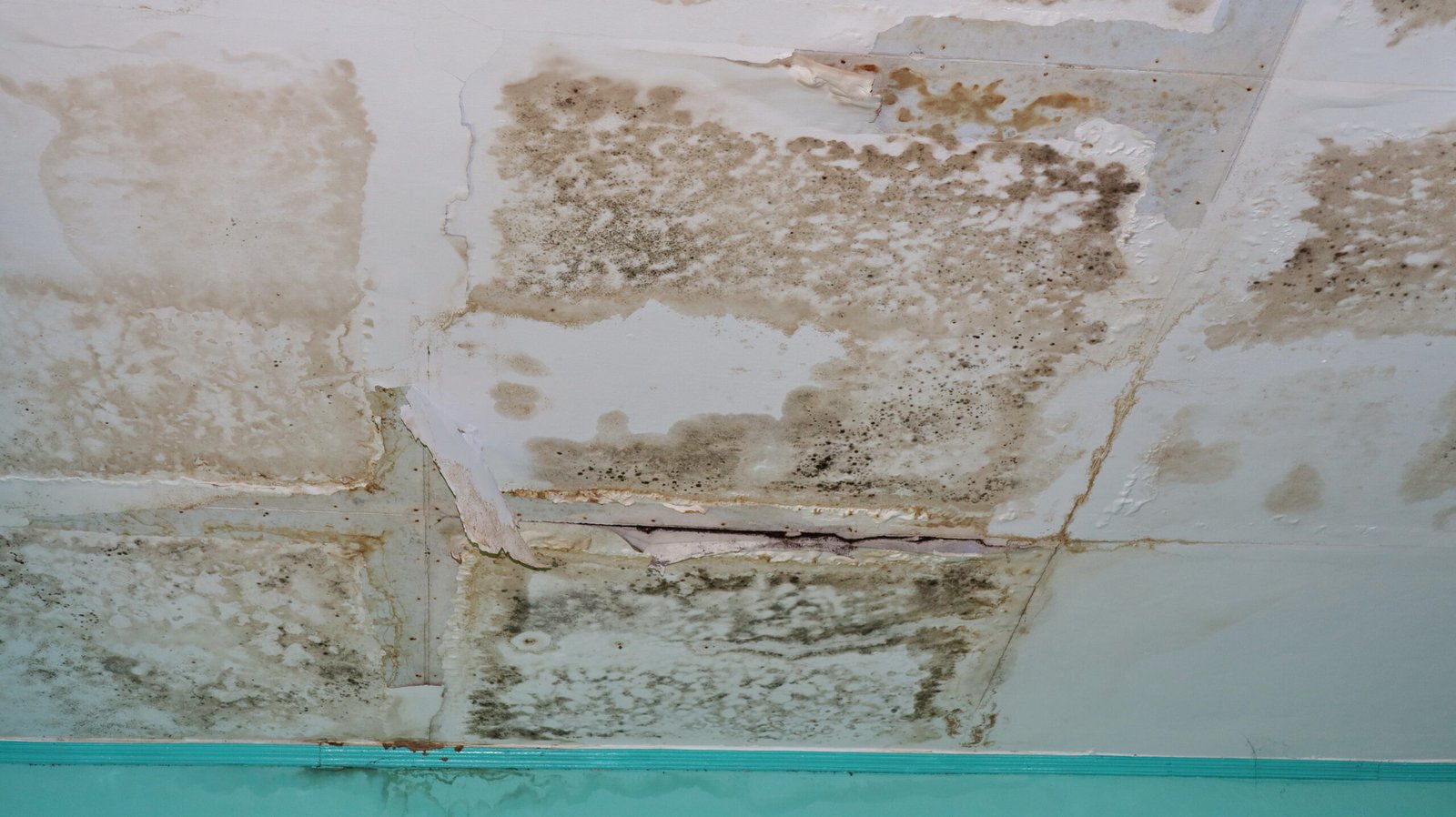
Learn what causes attic mold from roof leak Georgia, how to detect attic mold early, and how roof ventilation repair can help prevent future mold problems.
Homeowners in Georgia often deal with humid weather, heavy rainfall, and seasonal storms. While these conditions are common across the state, they can also create the perfect environment for moisture-related problems inside a home. One issue that frequently appears after storms or unnoticed roof damage is attic mold from roof leak Georgia.
Many people assume mold problems only occur in bathrooms or basements, but attics are actually one of the most common places where mold develops. When a roof leak allows moisture to enter the attic space, mold can begin forming on wood structures, insulation, and roof sheathing surprisingly quickly. Because most homeowners rarely check their attic, mold may grow for weeks or months before anyone notices the problem.
Understanding the causes of attic mold is essential for protecting both your home and your family. Mold can affect indoor air quality, weaken structural materials, and lead to expensive repairs if ignored. Fortunately, identifying the warning signs early and fixing the underlying moisture source can prevent mold from spreading.
This guide explains what causes attic mold from roof leak Georgia, how roof leaks and ventilation problems lead to mold growth, and what homeowners can do to fix and prevent these issues.
Archer Chimneys & Exteriors provides professional roofing, chimney, and exterior services for homeowners across Georgia. From roof leak repair to ventilation improvements, our team helps prevent attic mold and protect your home from long-term damage.
Understanding Attic Mold and Why It Develops
Mold spores exist naturally in the air around us. In most situations, they remain harmless because they cannot grow without moisture. However, when spores land on damp surfaces such as wood, insulation, or drywall, they can begin spreading rapidly.
Attics often provide ideal conditions for mold growth. These spaces typically contain wood framing, roof decking, and insulation materials that mold can easily attach to. When moisture enters the attic, whether from a roof leak, condensation, or poor ventilation, the environment becomes ideal for mold development.
In humid climates like Georgia, moisture levels are often already elevated. Warm air from daily household activities such as cooking, bathing, and laundry rises upward into the attic. If that warm air becomes trapped due to poor ventilation, condensation may form on cooler surfaces inside the roof structure.
Once moisture appears, mold growth can begin within 24 to 48 hours. If the moisture source remains active, the mold colony continues expanding across nearby surfaces.
This is why attic mold from roof leak Georgia is such a common issue. The combination of roof leaks, humidity, and limited attic airflow creates the perfect conditions for mold to grow unnoticed.
How Roof Leaks Lead to Attic Mold
One of the primary causes of attic mold is water intrusion from roof leaks. Even a small leak can introduce enough moisture to trigger mold growth.
A roof leak provides the necessary moisture for mold to spread. If wood surfaces in your attic space are already damp from an unrepaired roof leak, mold has a huge advantage and will capitalize on the easy access to soft, porous wood surfaces.
When water seeps through damaged shingles, flashing, or roof penetrations, it often collects in the attic first. Since these areas are rarely inspected, moisture can accumulate for long periods before homeowners realize there is a problem.
In Georgia’s humid climate, this moisture may not dry quickly. Instead, it remains trapped in the attic space, feeding mold growth.
Over time, the damp wood framing, roof decking, and insulation become ideal surfaces for mold colonies to spread across the attic.
This is one of the main reasons attic mold from roof leak Georgia develops so frequently after storms or roof damage.
Signs of Attic Mold
Detecting attic mold in its early stages is crucial for addressing the issue promptly. Here are some common signs that may indicate the presence of mold in the attic:
1. Musty Odor
2. Allergic Reactions
3. Increased Humidity
4. Visible Mold Growth
5. Discoloration or Stains
6. Water Damage or Leaks
7. Peeling or Blistering Paint
These warning signs often appear before mold spreads throughout the attic structure. Homeowners may notice a musty smell inside their home or experience unexplained allergy symptoms due to airborne mold spores.
In some cases, the attic may feel unusually warm and humid, indicating trapped moisture and ventilation issues.
When mold colonies grow larger, dark stains or spots may appear on the underside of the roof decking or wooden rafters.
Because attic mold from roof leak Georgia often begins in hidden attic areas, routine attic inspections are extremely important for detecting these signs early.
Signs of Mold After a Roof Leak
Mold will not appear on the outside surface of your home’s roof. It will show on the underside of the sheathing. This will be visible from inside your attic as either black, white, or green splotches.
Most molds are harmless in small quantities. Some molds can worsen underlying health problems, like respiratory issues and allergies. Some molds are highly toxic to humans and pets.
If you spot mold in your attic, two professionals can help: a mold remediation specialist and your roofer. A roofer can replace mold-covered sheathing, removing any possible source for mold spread. Of course, if the underlying reason for the mold is not addressed, it will return.
When homeowners encounter attic mold from roof leak Georgia, the most important step is identifying and fixing the moisture source first. Simply removing the mold without addressing the leak will only allow the problem to return.
Main Causes of Attic Mold
Various factors can cause attic mold, but the primary contributors are typically excessive moisture and poor ventilation. Here are the main causes of attic mold:
Roof Leaks – A leaky roof is one of the most common causes of attic mold. Water infiltration through damaged or poorly sealed roofs can lead to moisture buildup in the attic, creating an ideal environment for mold growth.
Inadequate Ventilation – Insufficient airflow and poor ventilation in the attic can trap moisture and increase humidity levels. Without proper ventilation, moisture from everyday activities such as showering, cooking, or laundry can accumulate in the attic, promoting mold growth.
Improper Insulation – Improper insulation in the attic can cause temperature differentials and condensation. Condensation forms when warm, humid air meets a cooler surface, providing the moisture necessary for mold to thrive.
These factors often work together. For example, a small roof leak combined with poor ventilation can dramatically accelerate mold growth inside the attic.
This is why attic mold from roof leak Georgia frequently appears alongside ventilation issues.
Causes Of Attic Mold: A Leaking Roof
If you have a roof leak, you may see water on your floors and water stains on the ceiling. The good news, you know that you have a problem.
However, if you have a roof leak and it goes unnoticed, leading to moisture accumulation in your attic, this will eventually lead to mold growth that you may not even know exists.
This is the reason it is important to inspect your attic several times each year, just to make sure that there is no moisture buildup.
Check for discoloration of insulation and wood (e.g., rafters, sheathing, joists, attic side of fascia boards, etc.).
Check roof valleys (i.e., where two roofs join at an angle), which are highly susceptible to roof leaks.
Observe skylights, chimneys, attic windows, and any portion of the attic/roof where dissimilar materials join each other (including flashings). These places are hotbeds for potential moisture intrusion.
If you have a vapor barrier installed, check for condensation. Although this is not really a roof leak, it is nevertheless a sign of a moisture problem. And moisture problems lead to attic mold problems.
Make sure there are no leaks coming from and around attic plumbing stacks.
All of these inspection points are important because attic mold from roof leak Georgia often starts in these hidden areas.
Roof Leaks and Areas to Inspect
One of the most common causes of mold in the attic is a leaking roof. To check for possible roof leaks, look for discoloration of insulation and wood, including the rafters, sheathing, joists, fascia boards, roof valleys, skylights, chimneys, windows, flashings, and the like.
While you’re up there, make sure there are no leaks around attic plumbing stacks or air conditioners.
If you have a vapor barrier, check for condensation. You may also be able to smell it. Mold has a distinctive musty odor that has been compared to stinky gym socks or a wet dog kind of smell.
Identifying these leaks early can prevent attic mold from roof leak Georgia from becoming a major problem.
Risks of Attic Mold for Homes and Health
Mold growth in the attic can create several risks for homeowners. Over time, mold can weaken wooden roof structures and damage insulation materials.
As mold spreads across rafters and sheathing, it gradually deteriorates the structural components of the roof. This may lead to expensive repairs if the damage continues unchecked.
Another concern is indoor air quality. Mold spores can travel from the attic into living spaces through small gaps, ventilation systems, or ceiling openings. This can affect family members with allergies, asthma, or respiratory sensitivities.
When attic mold from roof leak Georgia spreads beyond the attic, it becomes much more difficult and costly to remove.
How Professionals Fix Attic Mold Problems
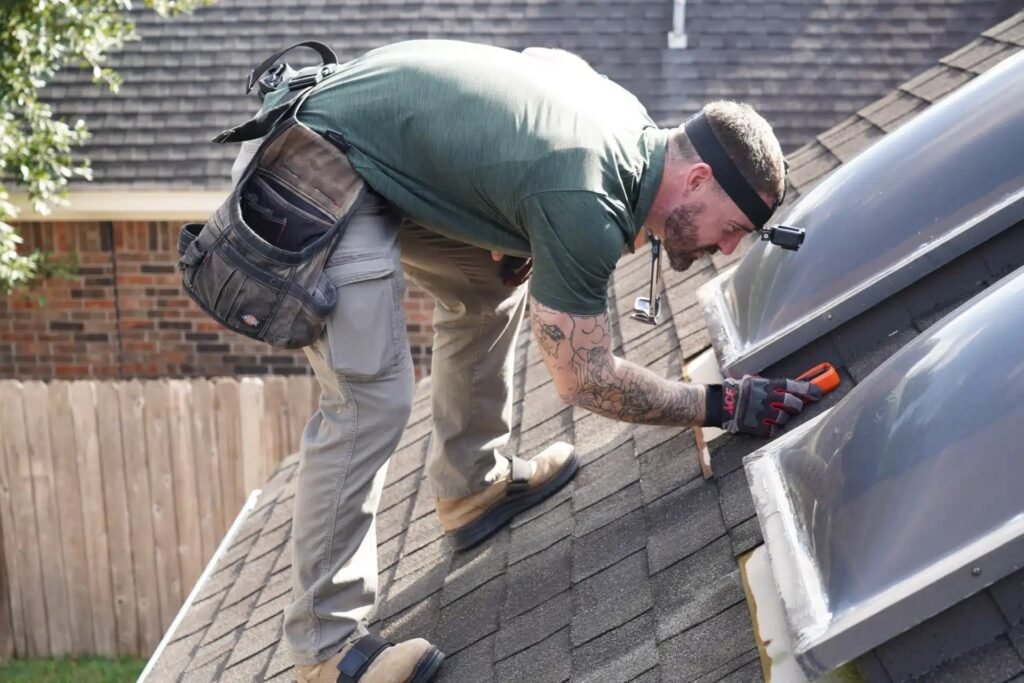
The first step in solving attic mold problems is repairing the roof leak. Without fixing the moisture source, mold removal efforts will not be effective.
Professional roofers inspect shingles, flashing, vents, and roof penetrations to locate the source of water intrusion. Once the leak is repaired, the attic must be allowed to dry completely.
Mold remediation professionals may then remove contaminated insulation, clean affected wood surfaces, and apply treatments designed to prevent mold from returning.
In some cases, improving attic ventilation is also necessary. Ridge vents, soffit vents, or additional ventilation systems may be installed to improve airflow.
These solutions help prevent attic mold from roof leak Georgia from returning in the future.
Preventing Future Attic Mold Problems
Preventing attic mold requires controlling moisture and maintaining proper ventilation. Regular roof inspections can help detect small leaks before they develop into major issues.
Homeowners should also ensure that bathroom and kitchen exhaust fans vent outside the home rather than into the attic. Proper insulation and balanced ventilation allow warm air to escape rather than becoming trapped.
After severe storms, it is also wise to inspect the roof for damaged shingles or flashing.
By addressing roof damage quickly and maintaining proper airflow, homeowners can reduce the risk of attic mold from roof leak Georgia.
Attic Mold Repair and Roof Leak Fix Cost in Georgia
The cost of fixing attic mold caused by a roof leak can vary depending on several factors, including the extent of the mold growth, the severity of the roof damage, and whether ventilation improvements are needed. In many cases, professionals first repair the roof leak before removing the mold and restoring damaged attic materials.
For homeowners dealing with hattic mold from roof leak Georgia, the total cost may include roof leak repair, mold remediation, insulation replacement, and ventilation improvements. Addressing the problem early is usually far less expensive than waiting until mold spreads throughout the attic structure.
Below is a general estimate of common services associated with attic mold and roof leak problems.
Service | Average Cost in Georgia |
Roof Leak Inspection | $150 – $400 |
Minor Roof Leak Repair | $300 – $1,200 |
Major Roof Leak Repair | $1,200 – $4,000 |
Attic Mold Inspection | $200 – $600 |
Attic Mold Remediation | $1,000 – $6,000 |
Insulation Removal & Replacement | $1,500 – $4,500 |
Ridge Vent Repair Service | $500 – $2,000 |
Roof Ventilation Repair | $800 – $3,000 |
These prices can vary based on roof size, attic accessibility, and the level of mold contamination present. In situations where mold has spread extensively across roof decking or insulation, the total project cost may increase due to additional material replacement and labor.
Scheduling regular roof inspections and addressing leaks early can help prevent expensive attic mold repairs and protect the long-term health of your home.
Why Property Owners Choose Archer Chimneys & Exteriors
Archer Chimneys & Exteriors is a trusted, fully licensed contractor providing specialized services for fireplaces, chimneys, and exterior systems. The company serves homeowners and businesses across Newnan, Marietta, and nearby Georgia communities, focusing on safe workmanship, durable results, and dependable customer service.
- Licensed and insured professionals with extensive experience completing hundreds of chimney, fireplace, and heating system projects
- Skilled in installing and repairing gas fireplaces, chimney venting systems, and other home heating solutions designed for safety and efficiency
- Comprehensive services, including fireplace installation, system replacement, chimney inspections, maintenance, and gas line services
- Supporting residential homes, commercial properties, and offices throughout multiple Georgia service areas
- A transparent, customer-focused approach that prioritizes honest recommendations and clear communication
- Solutions designed to follow safety standards, improve energy efficiency, and increase overall property comfort and value
Conclusion
Attic mold is a common but serious problem for homeowners, particularly in humid regions like Georgia. Roof leaks, poor ventilation, and trapped moisture can quickly create the conditions needed for mold growth.
Understanding the causes of attic mold from roof leak Georgia allows homeowners to recognize warning signs early and take action before the problem spreads.
By repairing roof leaks promptly, improving attic ventilation, and performing routine inspections, homeowners can protect their roofs, indoor air quality, and property value.
If mold is already present in the attic, addressing the moisture source first and working with experienced professionals is the most effective way to restore a safe and healthy home environment.
For more updates, expert tips, and customer reviews, follow us on Facebook and Instagram, or visit our GMB to see why homeowners trust us.
Contact us today to schedule your inspection or get a free quote
FAQs
What causes attic mold from a roof leak in Georgia in homes?
Attic mold from roof leaks in Georgia often starts when water enters through damaged shingles or flashing. Moist wood and poor roof ventilation repair issues create ideal mold growth conditions in the attic.
How can homeowners detect attic mold from a roof leak in Georgia early?
Early signs of attic mold from roof leak in Georgia include musty odor, dark stains on roof sheathing, attic humidity problems, and visible mold spots. A professional attic inspection helps confirm the issue.
Can poor roof ventilation signs lead to attic mold problems?
Yes. Poor roof ventilation signs like hot attic air, trapped moisture, and condensation often lead to attic mold from a roof leak in Georgia. Proper airflow helps reduce attic humidity problems and mold risk.
Why do roof leaks cause attic mold so quickly?
A roof leak creates damp wood and insulation. These materials allow mold to grow fast. That is why attic mold from roof leaks in Georgia often spreads quickly when roof ventilation repair is ignored.
How does ridge vent repair service help prevent attic mold?
A ridge vent repair service improves attic airflow. Better ventilation removes moisture and heat. This helps prevent attic mold from roof leaks in Georgia caused by trapped humid air.