
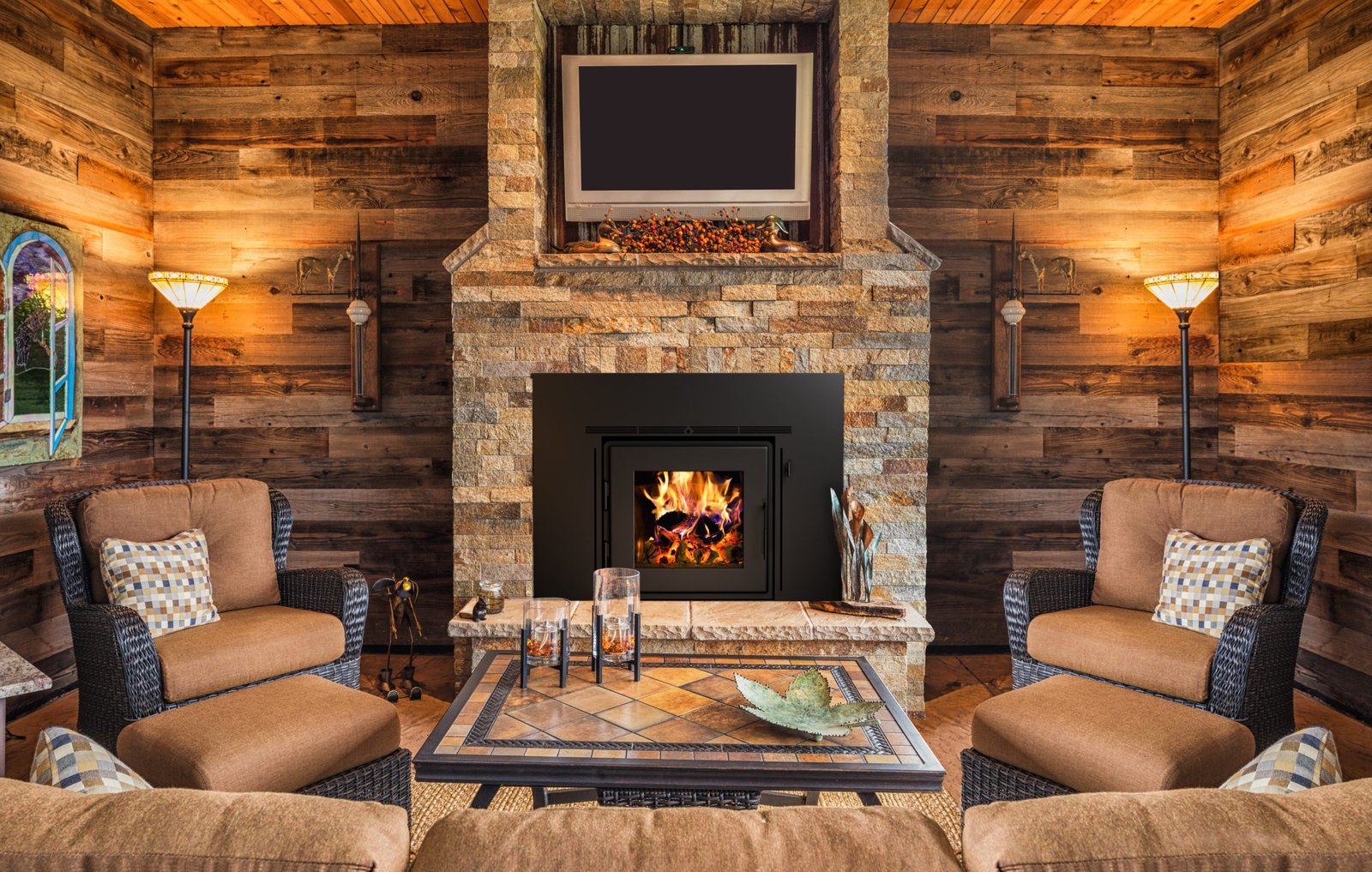
A wood-burning fireplace adds warmth and long-term value to your home, but only when installed correctly. Poor installation can cause smoke issues, fire hazards, carbon monoxide risks, and costly repairs. Many homeowners want a fireplace but aren’t sure where to start or how to follow safety rules.
If you’re installing a new unit or upgrading an existing one, knowing how to install a wood-burning fireplace the right way is essential. This guide explains the installation steps, safety requirements, costs, and when to call professionals.
At Archer Chimneys & Exteriors, our certified technicians provide safe, code-compliant wood-burning fireplace installation and chimney services you can trust for lasting performance.
What You’ll Learn in This Fireplace Installation Guide
Installing a wood burning fireplace involves more than choosing a design and lighting the first fire. This guide explains how to install a wood burning fireplace and covers everything homeowners need to know before getting started.
- The basic steps involved in installing a wood burning fireplace
- Safety codes, ventilation, and chimney requirements
- Common mistakes homeowners should avoid
- When professional fireplace installation is necessary
- How certified chimney and fireplace services protect your home
This section helps both homeowners and search engines clearly understand the topic and its importance.
Why Proper Fireplace Installation Matters for Your Home?
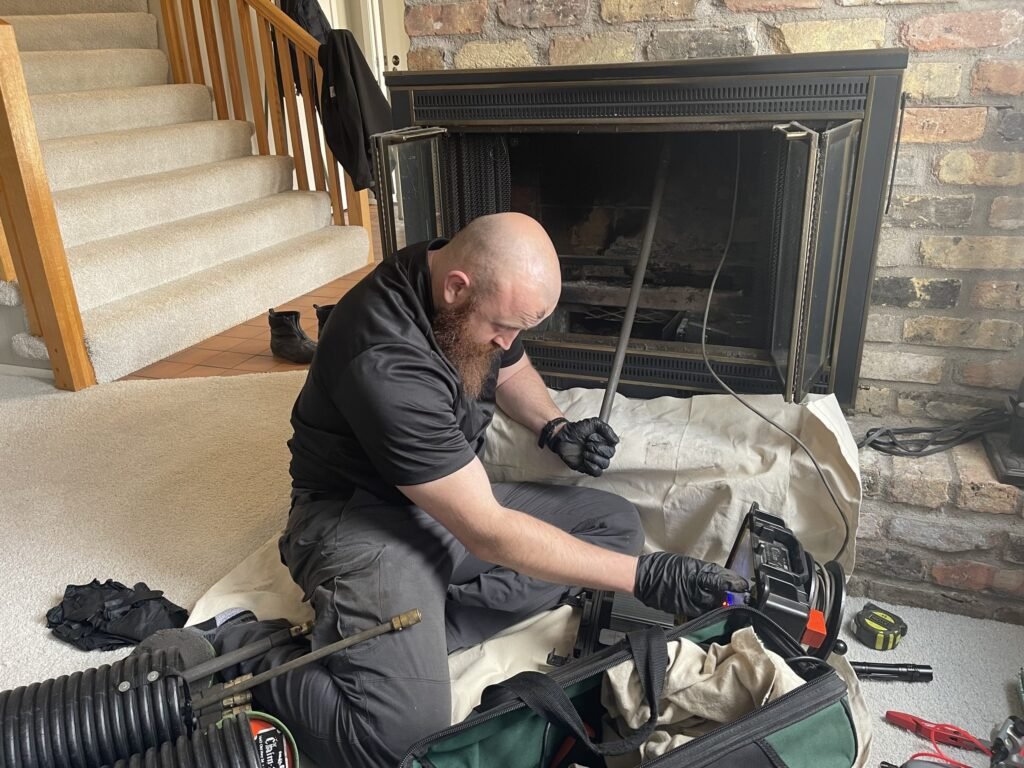
A wood-burning fireplace plays a vital role in heating efficiency, indoor air quality, and overall home safety. When installed correctly, it provides consistent warmth, improves ambiance, and increases property value.
Improper installation, however, can cause smoke backflow, creosote buildup, chimney fires, and structural damage. Venting systems, clearances, and fire-rated materials must meet strict safety standards.
Ignoring professional installation guidelines can lead to expensive repairs and dangerous conditions. That’s why understanding the correct installation process—or working with certified fireplace professionals is essential for protecting your home and family.
Step-by-Step Overview: How to Install a Wood Burning Fireplace
Step 1: Choose the Right Fireplace Type
Select a fireplace that matches your home layout, heating needs, and local building codes. Freestanding, insert, and masonry fireplaces each have different installation requirements.
Step 2: Prepare the Installation Area
The floor, walls, and surrounding space must be fire-rated and meet clearance requirements. Non-combustible materials are critical for long-term safety.
Step 3: Install the Firebox and Venting System
The firebox must be secured properly and connected to a chimney or flue system that safely directs smoke outside. Poor venting is one of the most common installation mistakes.
Step 4: Chimney Connection and Draft Testing
A proper draft ensures smoke exits the home efficiently. A professional fireplace inspection often includes airflow testing and safety verification.
Step 5: Final Safety Inspection
Before use, the entire system must be inspected to confirm compliance with fire safety standards and manufacturer guidelines.
Common Problems Caused by Improper Fireplace Installation
Smoke Entering the Home
Incorrect flue sizing or poor draft can push smoke back into living spaces instead of venting it outside. This can cause breathing issues, odors, and long-term indoor air quality problems.
Creosote Buildup and Fire Risk
Improper installation allows creosote to build up faster inside the chimney. This highly flammable residue significantly increases the risk of chimney fires.
Structural and Heat Damage
When required clearances are not followed, nearby walls, floors, or framing can overheat. Over time, this leads to cracks, warping, and serious structural damage.
Failed Safety Inspections
Incorrect fireplace installations often fail home safety or insurance inspections. This can delay property sales and result in costly corrections.
Why Professional Installation Matters
These risks highlight the importance of professional wood-burning fireplace installation. Certified experts ensure safety, code compliance, and long-term performance.
DIY vs Professional Fireplace Installation: What’s the Right Choice?
While some homeowners consider DIY installation, wood-burning fireplaces require technical expertise and code compliance.
DIY installation may be possible when:
- The unit is small and manufacturer-approved for self-installation
- The homeowner has experience with ventilation systems
- Local codes allow homeowner installation
Professional installation is the better choice when:
- A new chimney or flue is required
- The home has older construction
- Safety inspections and permits are needed
At Archer Chimneys & Exteriors, we always inspect first and provide honest guidance, never pushing unnecessary services.
How Our Fireplace Installation Process Works
Inspection and Planning
We thoroughly inspect your home’s layout, chimney structure, and ventilation system to ensure safe installation. This step helps identify any safety or code requirements before work begins.
Fireplace Selection Guidance
Our experts help you choose a wood-burning fireplace that fits your home, heating needs, and budget. We ensure the selected unit meets all efficiency and safety standards.
Professional Installation
Our certified technicians install the firebox, chimney connection, and venting system with precision. Every component is sealed and secured to ensure long-term safety and performance.
Final Testing and Cleanup
We test airflow, draft, and overall system function to confirm safe operation. After completion, we clean the work area and leave your home ready to enjoy.
Ongoing Support and Maintenance Advice
We guide you on proper fireplace use and safety practices. Our team also recommends regular inspections to keep your fireplace working efficiently year after year.
Installation Time and Cost Expectations
Repair Type | Estimated Time | Typical Cost Factors | Notes / CTA |
Minor Crack Repair | 1–2 hours | Small hairline cracks, mortar touch-ups | Quick and affordable fix; schedule a free inspection |
Moderate Repair | 2–4 hours | Multiple cracks, partial repointing, and minor brick replacement | Professional assessment recommended for accurate pricing |
Major / Structural Repair | 4–6 hours | Large cracks, brick or stone replacement, flue or crown repair | Requires skilled professionals; request a free quote from Archer Chimneys & Exteriors |
Challenges Homeowners Face During Fireplace Installation
1. Meeting Safety Codes and Clearance Requirements
Many homeowners struggle to follow strict fire safety codes, leading to inspection failures or unsafe installations.
2. Proper Chimney and Venting Setup
Incorrect venting causes smoke backflow, poor draft, and higher fire risks.
3. Hidden Structural Issues
Older homes may need floor, wall, or chimney reinforcement before installation can begin.
4. Long-Term Maintenance Planning
Without proper installation, fireplaces require frequent repairs and costly maintenance later.
Why Homeowners & Businesses Trust Archer Chimneys & Exteriors?
Archer Chimneys & Exteriors is a fully licensed and reputable contractor specializing in fireplaces, chimneys, and home heating solutions. They proudly serve homeowners and businesses throughout Newnan, Marietta, and surrounding areas, delivering professional, safe, and long-lasting solutions.
- Licensed, insured, and experienced with hundreds of fireplace, chimney, and heating projects
- Experts in durable, safe, and efficient gas fireplaces, venting systems, and chimney repairs
- Complete services: fireplace installation, replacement, inspection, maintenance, and gas line work
- Serving homes, offices, and commercial properties throughout Georgia
- Honest, transparent, and customer-first service approach
- Solutions designed to meet safety codes, maximize efficiency, and enhance comfort and value.
Conclusion
Installing a wood-burning fireplace is a great investment, but only when done safely and correctly. Knowing how to install a wood burning fireplace properly protects your home from fire risks, smoke issues, and costly structural damage. Understanding the process helps homeowners make informed decisions and avoid common mistakes. For long-term safety and performance, professional fireplace installation is always the smartest choice.
For more updates, expert tips, and customer reviews, follow us on Facebook and Instagram, or visit our GMB to see why homeowners trust us.
Contact us today to schedule your inspection or get a free quote
FAQs
How do I safely learn how to install a wood burning fireplace?
It’s best to follow a professional guide or hire certified fireplace experts to ensure proper installation and compliance with safety codes.
Do I need a chimney to install a wood-burning fireplace?
Most wood-burning fireplaces require a chimney or approved venting system. The exact requirement depends on the fireplace type.
Can I install a wood-burning fireplace myself?
DIY installation is risky and often not code-compliant. Hiring certified fireplace installation professionals is strongly recommended.
How long does it take to install a wood-burning fireplace?
Installation usually takes 1–3 days, depending on chimney work and home structure.
What materials are required for fireplace installation?
Fire-rated materials, proper venting pipes, chimney liners, and heat-resistant flooring are essential.
Is a permit required for installing a wood-burning fireplace?
Yes, permits and inspections are required in most areas to ensure safety compliance.
How much clearance is needed around a wood-burning fireplace?
Clearance varies by model, but must follow manufacturer and fire safety guidelines strictly.
How often should a wood-burning fireplace be inspected?
A fireplace should be inspected at least once a year for safe operation.
What type of wood should be used in a wood-burning fireplace?
Only seasoned hardwood should be used to reduce smoke and creosote buildup.
Why hire professionals for fireplace installation?
Professionals ensure correct venting, code compliance, and long-term safety for your home.