
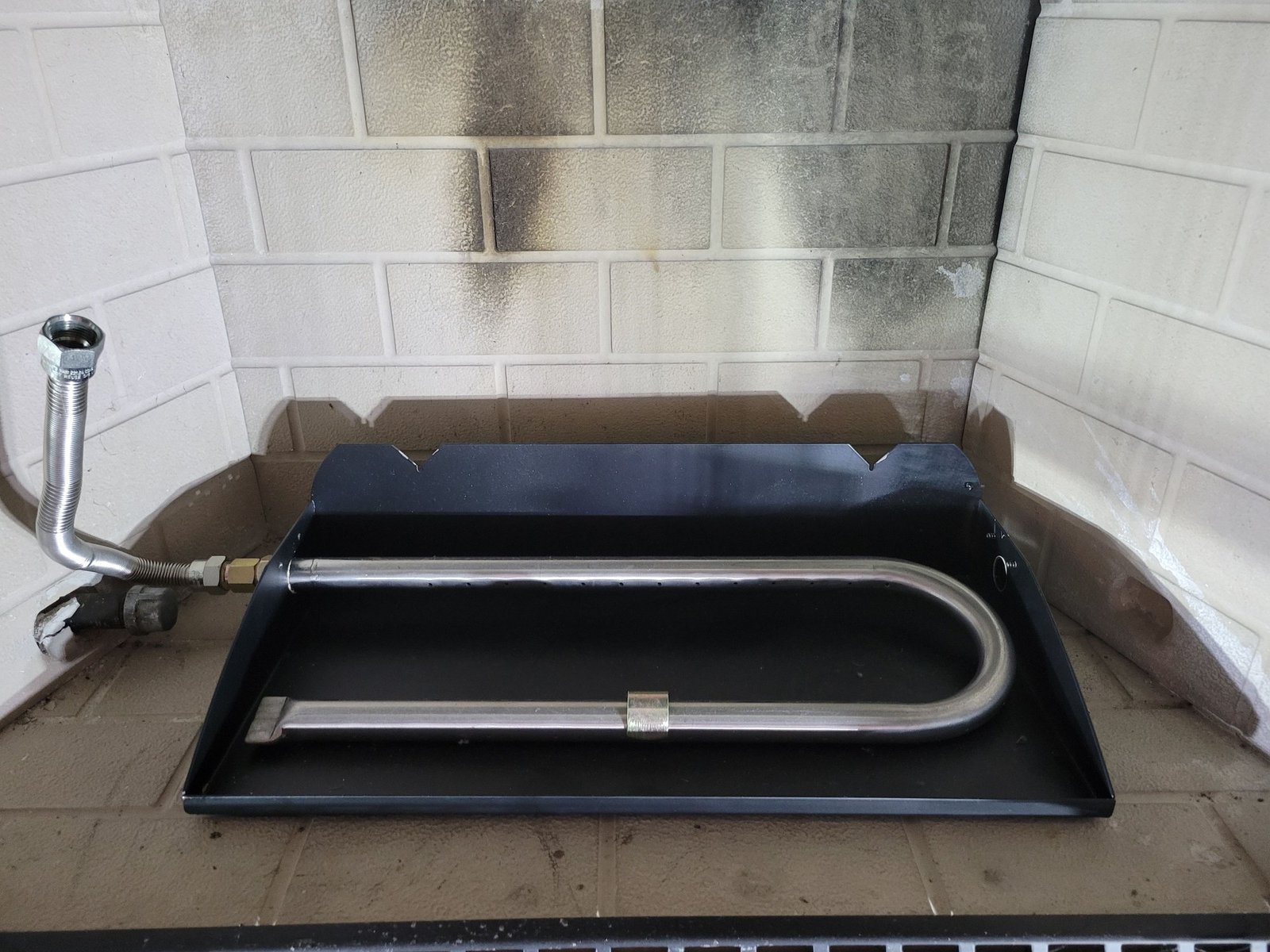
To adjust a gas pressure regulator on a fireplace, shut off the gas, connect a manometer to the outlet test port, then light the unit. Remove the regulator cap and turn the adjustment screw two turns at a time. Clockwise raises pressure; counterclockwise lowers it.
This pro guide from Archer Chimneys & Exteriors in Newnan, GA, walks you through every step. We cover the tools, the safe order of operations, and the moment to call a licensed pro.
Why Gas Pressure Matters
A gas pressure regulator controls how much gas reaches your fireplace burner. If the pressure is wrong, your fireplace will not burn safely. Wrong pressure can cause yellow flames, soot, weak heat, or valve damage. It can also lead to carbon monoxide buildup in your home.
Knowing how to adjust a gas pressure regulator correctly keeps your home safe and your flames clean.
Signs You Need to Adjust Your Gas Pressure Regulator
Before you start, look for these warning signs.
Signs of Low Gas Pressure
- Yellow or orange flames instead of blue
- Black soot on the logs or glass
- Weak pilot light that keeps blowing out
- Burner shutting off on its own
- Small flames even on the high setting
Signs of High Gas Pressure
- Loud roaring or jet-engine sound
- Flames lifting off the burner
- Humming or chattering at the gas valve
- Tall, wild flames you cannot turn down
- Valve shutting off as a safety response
How Does a Gas Pressure Regulator Work?
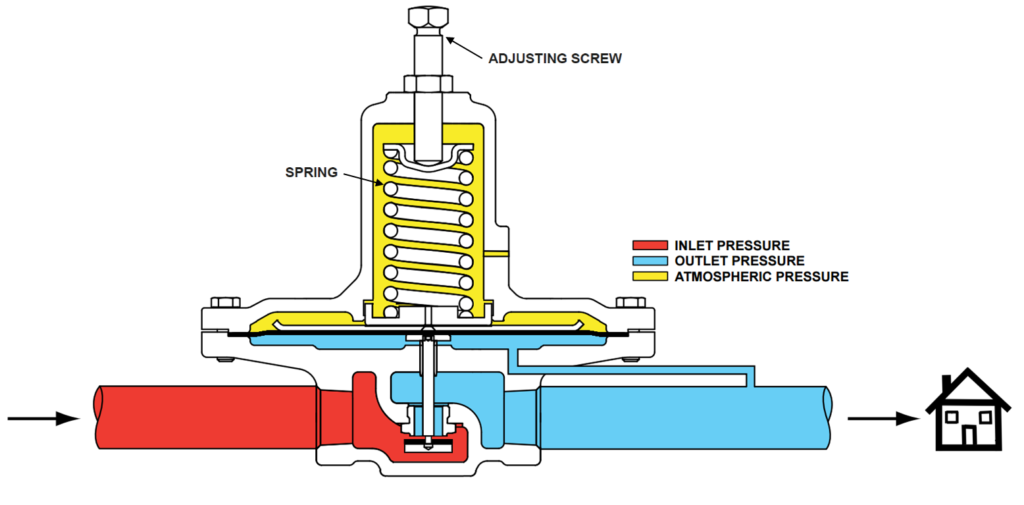
A gas pressure regulator steps high-pressure gas down to a level your fireplace can use. It is a small but vital safety device.
Inside the regulator are two key parts:
- A spring that pushes with a fixed force
- A diaphragm that flexes with changes in gas pressure
The diaphragm and spring work together to keep the outlet pressure steady. This stays true even when other gas appliances turn on and off.
Knowing how a gas pressure regulator works helps you understand why adjustments must be small and exact.
Standard Fireplace Pressure Targets
Always check your owner’s manual first. Common pressure ranges include:
- Natural gas fireplace burner: 3.5 to 7 inches WC
- Propane fireplace burner: 11 to 14 inches WC
- Inlet gas line for natural gas: about 7 inches WC
- Inlet gas line for propane: around 11 inches WC
WC stands for water column. It is the standard unit for measuring low gas pressure.
Tools You Need to Adjust a Gas Pressure Regulator
Gather these tools before you start:
- Digital or U-tube manometer
- Flathead screwdriver
- Small adjustable wrench (1/4 inch)
- Bottle of soapy water for leak checks
- Owner’s manual for your fireplace
- Working carbon monoxide detector in the home
Without a manometer, you cannot adjust a gas pressure regulator safely. Do not guess.
A Critical Safety Warning
Gas work in Georgia is regulated. Most repairs must be done by a licensed technician.
Use this guide to understand the process. If you smell gas, see soot, or feel unsure, stop and call a pro. Never touch the regulator before your gas meter. That regulator belongs to your utility company.
How to Adjust a Gas Pressure Regulator on a Fireplace: 10 Steps
Follow each step in order. Do not skip ahead.
Step 1: Turn Off the Gas Supply
Find the shutoff valve near your fireplace. Turn it to the off position. Wait five minutes for the gas to clear.
Step 2: Locate the Right Regulator
Find the regulator between your gas meter and your fireplace. It is often mounted on the gas valve at the unit.
Never touch the utility-owned regulator. That one is outside your home before the meter.
Step 3: Connect the Manometer
Find the outlet pressure tap on the regulator. Loosen the small set screw with your wrench. Attach the manometer hose tightly.
Step 4: Turn the Gas Back On
Open the gas shutoff slowly. Light the fireplace using the manufacturer’s instructions. Let it run one minute to stabilize.
Step 5: Read the Manometer
Look at the manometer reading in inches WC. Compare it to the spec in your owner’s manual.
If the reading is within range, no adjustment is needed. Move on to leak checks and reassembly.
Step 6: Shut Off the Gas Again
If you need to adjust, turn the gas off. Wait five minutes. This step is critical for safety.
Step 7: Remove the Regulator Cap
Use your screwdriver to unscrew the cap on top of the regulator. Underneath is the adjustment screw on a spring.
Step 8: Turn the Adjustment Screw
Turn the screw two turns at a time. Clockwise raises pressure. Counterclockwise lowers it.
Small turns make big changes. Patience is more important than speed here.
Step 9: Replace the Cap and Re-test
Put the cap back on. Turn the gas on, light the unit, and read the manometer again. Repeat until you hit the target pressure.
Step 10: Test Under Load and Check for Leaks
Turn on other gas appliances. Pressure should stay steady within 0.5 inches WC.
Spray every fitting with soapy water. Bubbles mean a leak. Shut off the gas and call a pro immediately.
How to Adjust Gas Flow on a Gas Fireplace
Pressure and flow are not the same thing. The regulator sets pressure. The valve and key control the flow.
After your gas pressure regulator is adjusted, fine-tune the flame using:
- The wall key valve (turn the metal key on the wall slowly)
- The millivolt switch on the gas valve
- The remote control or wall-mounted thermostat
If the flame is still wrong, the burner orifice may be the wrong size. This is a common issue we fix in older Newnan and Marietta homes.
How to Adjust Gas Pressure on a Fireplace Vent System
A vented fireplace has a different setup than a vent-free unit. The pressure target is the same.
But the way exhaust moves can change how the burner runs. For direct vent fireplaces:
- The intake and exhaust pipes are sealed
- Pressure inside the firebox stays balanced
- A bad regulator can disturb that balance
Always check the data plate on your specific unit. Direct vent units from Valor and SimpliFire (both brands we install) have model-specific pressure rules.
How to Check Gas Pressure on a Fireplace
Sometimes you only want to confirm the pressure is right. This is called a static pressure test.
To check gas pressure on a fireplace:
- Connect the manometer to the outlet test port
- Open the gas valve and read the static pressure
- Light the unit and read the operating pressure
- Note both numbers and compare to the spec in your manual
If both numbers are in range, your pressure is fine. The fireplace problem is somewhere else.
How to Check the Gas Line Pressure in Your Home
Your supply line pressure also matters. Low supply line pressure makes regulator adjustments useless.
To check gas line pressure:
- Connect the manometer to the inlet test port
- Note the pressure with all appliances off
- Turn on appliances one at a time
- Watch for pressure drops greater than 1 inch WC
In Newnan and Marietta, older homes often have undersized gas lines. This is one of the top issues our techs find on service calls.
What Is Positive Pressure in a Gas Fireplace?
Positive pressure happens when air or exhaust pushes out into the room instead of up the flue. This is dangerous.
A healthy gas fireplace has a slight negative pressure inside. That negative pull moves combustion gases up and out.
Positive pressure can be caused by:
- Excess gas pressure pushing past the regulator
- A blocked or undersized vent
- Tight, well-insulated homes with no makeup air
- Range hoods or dryers pulling air out of the house
If you see smoke or soot in the room, shut off the fireplace. This is a carbon monoxide risk.
When to Stop and Call a Pro
Stop the DIY adjustment and call a licensed technician if:
- Do you smell any gas at any step
- The regulator is more than 10 years old
- Your adjustment makes the problem worse
- The fireplace still misbehaves after the adjustment
- You do not have the owner’s manual or a manometer
- You are not 100% confident in the work
Bad adjustments can damage your gas valve. They can also void your manufacturer’s warranty.
Cost to Adjust or Replace a Gas Pressure Regulator in Georgia
Pricing in 2026 for Newnan, Marietta, and surrounding areas:
- Gas pressure diagnostic visit: $125 to $200
- Minor regulator adjustment only: $150 to $275
- Full gas pressure regulator replacement: $300 to $650
- Combined gas valve and regulator replacement: $500 to $950
- Gas line pressure test for real estate: $175 to $350
Cost Factors
- Natural gas vs propane (LP parts cost more)
- Fireplace brands (Real Fyre, Valor, Empire, SimpliFire all use different parts)
- Access difficulty around the unit
- Permit and inspection rules in your county
At Archer Chimneys & Exteriors, our diagnostic fee can be applied to repair work on most jobs.
Why Choose Archer Chimneys & Exteriors
Archer Chimneys & Exteriors is a licensed, insured, family-owned chimney and exterior services company. We are based in Newnan, GA, and serve homeowners throughout Coweta County, Marietta, and Asheville, NC.
Here is what separates us from general contractors and national chains:
- Full leak diagnosis. We assess every potential entry point on every visit. You get a complete diagnosis, not a partial fix.
- Level 2 video camera inspections: We inspect the interior of your flue from crown to firebox. We identify damage that is invisible from the outside.
- Chimney and roofing expertise combined: Since chimney leaks often involve both the chimney and the roof, our dual expertise removes the guesswork about where the water originates.
- Licensed and insured: We carry full licensing and liability coverage across all service areas.
- 279+ verified Google reviews: Our reputation is built on honest inspections and accurate repairs for homeowners throughout the Newnan area.
- Inspection fee applied to repairs: Your inspection fee counts toward any repair or service within 30 days. You are paying for real answers
Conclusion
Knowing how to adjust a gas pressure regulator on a fireplace is a useful skill. It can save you money on service calls and protect your home.
But the risks are real. Wrong pressure means yellow flames, soot, and carbon monoxide. Always work safely and use a manometer.
If you live near Newnan, Marietta, or Asheville and your fireplace is not running right, we are ready to help. Call Archer Chimneys & Exteriors today for a Gas Diagnostic Inspection.
For more updates, expert tips, and customer reviews, follow us on Facebook and Instagram, or visit our Google My Business to see why homeowners trust us.
Contact us today to schedule your inspection or get a free quote.
FAQs
How do you adjust a gas pressure regulator on a fireplace?
Turn off the gas and connect a manometer to the outlet test port. Light the unit and read the pressure. Then shut off the gas, remove the regulator cap, and turn the adjustment screw two turns at a time. Clockwise raises pressure; counterclockwise lowers it.
What is the correct gas pressure for a fireplace?
A natural gas fireplace usually runs at 3.5 to 7 inches WC. A propane fireplace runs at 11 to 14 inches WC. Always check your owner’s manual for your exact model.
How do you know if your gas pressure is too low?
Low pressure shows up as yellow or orange flames, sooty logs, weak pilot lights, and burners that shut off on their own. The flame may also look small even on the high setting.
Can you adjust a gas regulator yourself?
You can adjust a non-utility regulator yourself if you have a manometer and the manual. But Georgia code says most gas work should be done by a licensed technician. When in doubt, call a pro.
What tool do you use to check gas pressure?
Use a manometer. It reads gas pressure in inches of water column (WC). Digital and YouTube models both work for fireplace testing.