

Planning a gas fireplace installation? Learn steps, costs, safety requirements & when to hire Archer Chimneys & Exteriors. Free inspection available.
Installing a gas fireplace is one of the most effective ways to add warmth, comfort, and value to your home, but only when it’s done correctly.
Homeowners often have questions about safety codes, installation steps, costs, and whether a professional contractor is needed. Poor installation can lead to gas leaks, ventilation issues, higher energy bills, or serious safety risks.
In this guide, you’ll learn exactly how gas fireplace installation works, what requirements apply, and when it’s time to call a licensed local professional like Archer Chimneys & Exteriors.
If you’re considering a new installation or upgrading an old unit, this article will help you make a confident, informed decision and know when to schedule a professional inspection
What You’ll Learn in This Gas Fireplace Installation Guide
This guide is designed for homeowners who want clear, practical answers before installing a gas fireplace. Inside, you’ll learn:
- How gas fireplace installation works step by step
- Safety and ventilation requirements
- Common mistakes homeowners make during installation
- Typical costs and timeframes for installation projects
- When to hire a licensed local contractor instead of DIY
This section helps both homeowners and search engines understand exactly what this page covers clearly, helpfully, and locally.
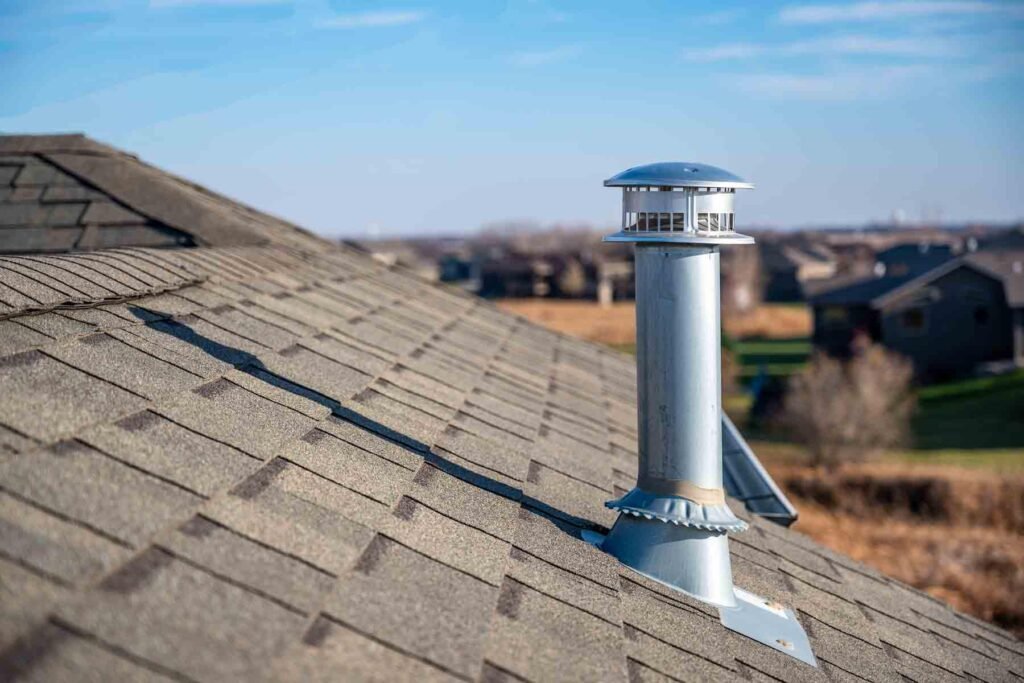
Why Proper Gas Fireplace Installation Matters
A gas fireplace does more than provide heat; it improves energy efficiency, indoor comfort, and property value. When installed correctly, it offers reliable warmth with lower maintenance than traditional wood-burning fireplaces.
Seasonal temperature changes, humidity, and local building codes make professional installation especially important. Improper venting or incorrect gas line connections can lead to carbon monoxide risks, inefficient heating, or long-term structural damage.
Ignoring proper installation requirements can result in expensive repairs, failed inspections, or serious safety hazards. That’s why understanding the process and choosing a trusted local contractor like Archer Chimneys & Exteriors matters from the start.
Common Signs You Need Professional Gas Fireplace Installation Help
- Incorrect or Unsafe Existing Fireplace Setup
If your current fireplace struggles to ignite, shuts off randomly, or produces unusual odors, it may not meet modern safety standards. - Poor Ventilation or Draft Issues
Gas fireplaces require proper venting to remove combustion gases safely. Smoke buildup, condensation, or stale indoor air often point to ventilation problems. - Rising Energy Bills After Installation
An incorrectly installed gas fireplace can leak heat or force your HVAC system to work harder, causing higher energy bills. - Outdated or Non-Compliant Units
Older fireplace units may not meet current efficiency or safety standards. Upgrading to a modern, code-compliant gas fireplace improves safety and resale value.
What Causes Gas Fireplace Installation Problems
- Poor Installation or Unlicensed Work: Incorrect gas line connections or venting create serious safety hazards.
- Home Design & Climate: Some homes require specific venting solutions due to insulation, roof design, and seasonal weather changes.
- Low-Quality Materials: Cheap fireplace units, vents, or connectors can fail early and reduce efficiency.
- Skipping Permits & Inspections: Local permits ensure installations meet safety codes. Skipping them can result in fines or unsafe conditions.
Gas Fireplace Installation vs. Replacement
Installation Is Often Enough When:
- Your home does not have an existing fireplace
- Gas lines are accessible and up to code
- You want to add a new heating feature
Replacement Is Better When:
- Your existing fireplace is outdated or unsafe
- Repairs keep recurring
- The unit no longer meets efficiency standards
At Archer Chimneys & Exteriors, we always inspect first and provide honest recommendations. If a small upgrade solves the problem, we never push unnecessary replacements.
How Our Gas Fireplace Installation Process Works
Step 1 – In-Home Inspection and Assessment
We carefully inspect your home layout, gas lines, and ventilation system while checking all building and safety codes.
Step 2 – Clear Quote and Options
You receive a transparent estimate with recommended fireplace models, venting options, timelines, and pricing with no hidden costs.
Step 3 – Scheduling and Home Preparation
We schedule the installation at a time that works for you and prepare your home for a safe, clean work area.
Step 4 – Professional Installation
Our licensed technicians install the gas fireplace, connections, and venting system following all safety standards.
Step 5 – Final Testing and Safety Walkthrough
We fully test the system, explain safe usage, and review warranties before completing the job.
How Long Gas Fireplace Installation Takes and What It Typically Costs
Installation Factor | Typical Timeframe | Cost Impact |
Simple gas fireplace installation | 1 day | Lower cost due to minimal labor and materials |
Installation with a new gas line | 1–2 days | Moderate increase due to gas line work |
Custom venting or wall penetration | 1–2 days | Higher cost depending on venting complexity |
Structural modifications required | 2+ days | Higher cost due to added labor and materials |
Fireplace type (insert, direct-vent, zero-clearance) | Varies by model | Pricing varies based on unit size and features |
Home layout and accessibility | Varies | Complex layouts may increase labor time and cost |
Our Fireplace & Home Heating Services
- Gas fireplace installation and replacement
- Fireplace inspection and safety checks
- Venting and chimney modifications
- Gas line installation and upgrades
- Emergency service and troubleshooting
- Ongoing maintenance and inspections
Common Challenges in Gas Fireplace Installation
- Improper Venting: Leads to carbon monoxide buildup and poor indoor air quality.
- Non-Compliant or Outdated Gas Lines: Increase risk of leaks and fire hazards.
- Incorrect Fireplace Sizing: Affects heating efficiency and energy bills.
- Skipping Permits & Inspections can lead to fines and unsafe installations.
Why Homeowners & Businesses Trust Archer Chimneys & Exteriors
Archer Chimneys & Exteriors is a fully licensed and reputable contractor specializing in fireplaces, chimneys, and home heating solutions.
They proudly serve homeowners and businesses throughout Newnan, Marietta, and surrounding areas, delivering professional, safe, and long-lasting solutions.
- Licensed, insured, and experienced with hundreds of fireplace, chimney, and heating projects
- Experts in durable, safe, and efficient gas fireplaces, venting systems, and chimney repairs
- Complete services: fireplace installation, replacement, inspection, maintenance, and gas line work
- Serving homes, offices, and commercial properties throughout Georgia
- Honest, transparent, and customer-first service approach
- Solutions designed to meet safety codes, maximize efficiency, and enhance comfort and value.
Conclusion
A gas fireplace adds warmth, comfort, and value to your home when installed correctly. Always follow safety codes and local building requirements. Hiring a licensed local contractor like Archer Chimneys & Exteriors ensures proper installation, efficiency, and peace of mind. Schedule your inspection today to protect your home and family.
Contact us today to schedule your inspection or get a free quote.
FAQs
Do I need a permit to install a gas fireplace?
Yes, most areas require a building permit. Your installer usually handles this.
Can I install a gas fireplace myself?
No. Gas connections and venting must be done by licensed professionals.
What type of gas fireplace can be installed?
Direct‑vent, vent‑free, zero‑clearance, and inserts. Choice depends on home layout and codes.
Do gas fireplaces need ventilation?
Yes. Proper venting removes combustion gases safely.
Can a gas fireplace be installed in any room?
Yes, but clearance and venting rules must be followed.
Do I need a chimney for a gas fireplace?
Not always. Many modern fireplaces use direct vents through exterior walls.
What happens if venting is inadequate?
Poor venting can cause carbon monoxide buildup and indoor air issues.
How long does professional installation take?
1–2 days, depending on venting and gas line work.
Can a wood fireplace be converted to gas?
Yes, with inserts or direct vent systems.
What maintenance does a gas fireplace need?
Annual inspections of gas lines, venting, and safety features by a professional.