Learn the most common chimney problems after winter & how to fix them with help from trusted professionals. Get expert chimney inspection and repair from Archer Chimneys & Exteriors.
Winter can be brutal on your chimney. Between freezing temperatures, snow, ice, and heavy fireplace use, many homeowners don’t realize the damage until spring arrives. Cracked mortar, hidden leaks, and flue liner issues often develop quietly over the colder months and get worse if ignored.
If you’re noticing moisture, loose bricks, or draft problems, you’re not alone. Homeowners trust Archer Chimneys & Exteriors to identify and fix post-winter chimney damage before it turns into a major safety or structural issue.
In this guide, you’ll learn the most common chimney problems after winter, how to spot them early, and when it’s time to call in a professional chimney repair expert.
What You’ll Learn in This Chimney Repair Guide
This guide is designed to help homeowners understand common chimney problems after winter & how to fix them, along with the right steps to take next.
You’ll learn:
- The most common chimney problems after winter
- How freeze–thaw cycles damage masonry chimneys
- Which chimney issues require immediate repair
- When DIY checks are okay and when they’re risky
- How a professional chimney inspection can save money long-term
Why Chimney Condition Matters After Winter
Your chimney isn’t just a vent; it’s a critical safety system for your home. It protects against fire hazards, toxic gases, moisture intrusion, and structural damage.
Winter weather puts extreme stress on chimneys. Snow and ice seep into small cracks, then expand as temperatures drop. Over time, this weakens brick, mortar, and internal components. If left untreated, minor damage can lead to chimney leaks, mold growth, or even collapse.
Addressing chimney problems early in late winter or early spring helps prevent expensive repairs and keeps your home safe year-round.
Common Chimney Problems After Winter & How to Fix Them
1. Freeze–Thaw Damage Explained
Water enters tiny cracks in masonry during winter. When temperatures drop, the water freezes and expands, widening those cracks.
Why it’s dangerous:
Repeated freeze–thaw cycles weaken mortar joints and brick faces, leading to structural instability.
What to do:
Schedule a professional chimney inspection to identify damaged areas and apply masonry repairs or waterproofing as needed.
2. Cracked Chimney Crowns and Mortar Joints
The chimney crown is especially vulnerable to winter damage due to constant exposure.
Why it’s dangerous:
Cracks allow moisture inside the chimney system, accelerating deterioration.
What to do:
Crown repair or replacement and mortar repointing by a chimney contractor prevent long-term water damage.
3. Chimney Leaks Caused by Winter Moisture
Melting snow and ice often reveal leaks homeowners didn’t notice during winter.
Why it’s dangerous:
Leaks can cause interior wall damage, mold growth, and rusted chimney components.
What to do:
A professional chimney repair service can identify the leak source and seal flashing, crowns, or masonry properly.
4. Flue Liner Damage After Heavy Fireplace Use
Increased fireplace use during winter puts stress on the flue liner.
Why it’s dangerous:
Cracked liners can allow heat or gases to escape into walls, creating fire and carbon monoxide risks.
What to do:
Only a professional chimney inspection can safely assess liner damage and recommend repair or relining.
5. Damaged Chimney Caps After Storms
High winds and snow accumulation can loosen or damage chimney caps.
Why it’s dangerous:
Missing or damaged caps allow animals, debris, and moisture into your chimney.
What to do:
Replace damaged caps promptly to prevent blockages and water intrusion.
How Winter Weather Affects Brick vs Stone Chimneys
Brick chimneys absorb more moisture, making them more vulnerable to freeze–thaw cracking. Stone chimneys are durable but rely heavily on mortar joints, which often deteriorate first.
Both materials require regular inspections after winter to catch early signs of damage before repairs become extensive.
DIY Checks vs Professional Chimney Inspection
Homeowners can safely:
- Look for visible cracks or missing bricks
- Check for water stains near the fireplace
- Ensure the chimney cap is present
However, internal damage, liner issues, and hidden moisture problems require a professional chimney inspection. DIY checks should never replace expert evaluation.
When to Schedule Repairs in Late Winter
Late winter and early spring are ideal times for chimney repairs because:
- Damage is easier to spot
- Moisture issues haven’t worsened yet
- Repairs can be completed before next winter
Early action helps homeowners avoid emergency repairs during colder months.
Cost Expectations for Common Post-Winter Repairs
Chimney repair costs vary depending on damage severity.
- Minor masonry repairs: lower cost
- Crown repair or waterproofing: moderate range
- Flue liner repair or replacement: higher investment
Every chimney is different. A professional inspection from Archer Chimneys & Exteriors provides accurate pricing and honest recommendations.
Chimney Repair Services We Offer
Archer Chimneys & Exteriors provides complete chimney care, including:
- Chimney inspections
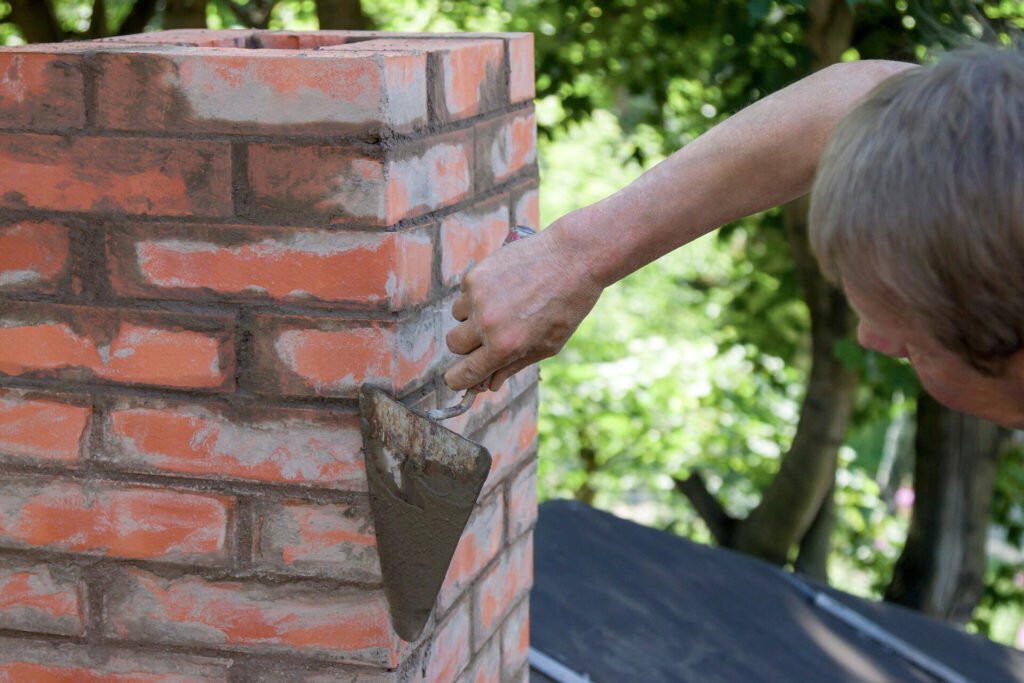
- Masonry chimney repair
- Chimney crown repair
- Chimney leak repair
- Flue liner repair and replacement
- Chimney cap installation
- Preventive maintenance and waterproofing
We help homeowners protect their chimneys before small problems turn costly.
Common Challenges Homeowners Face After Winter
1. Hidden Chimney Damage
Many winter-related issues are not visible from the outside, causing homeowners to overlook serious problems.
2. Delayed Moisture Problems
Leaks often appear after snow and ice melt, when damage has already progressed.
3. Postponing Necessary Repairs
Waiting too long allows small cracks and leaks to worsen, leading to higher repair costs.
4. Relying on DIY Repairs
Without professional inspection, DIY fixes may miss critical safety issues and fail to provide long-term solutions.
Why Homeowners & Businesses Trust Archer Chimneys & Exteriors
Archer Chimneys & Exteriors is a fully licensed and reputable contractor specializing in fireplaces, chimneys, and home heating solutions. They proudly serve homeowners and businesses throughout Newnan, Marietta, and surrounding areas, delivering professional, safe, and long-lasting solutions.
- Licensed, insured, and experienced with hundreds of fireplace, chimney, and heating projects
- Experts in durable, safe, and efficient gas fireplaces, venting systems, and chimney repairs
- Complete services: fireplace installation, replacement, inspection, maintenance, and gas line work
- Serving homes, offices, and commercial properties throughout Georgia
- Honest, transparent, and customer-first service approach
- Solutions designed to meet safety codes, maximize efficiency, and enhance comfort and value.
Conclusion
Winter can leave behind hidden chimney damage, making common chimney problems after winter & how to fix them, easy to overlook if ignored. Small cracks, leaks, and liner issues can quickly turn into serious safety and structural problems. Scheduling a professional chimney inspection after winter helps prevent costly repairs and protects your home. Acting early ensures your chimney stays safe, efficient, and ready for the next season.
For more updates, expert tips, and customer reviews, follow us on Facebook and Instagram, or visit our GMB to see why homeowners trust us.
Contact us today to schedule your inspection or get a free quote
FAQs
Why is a chimney inspection important after winter?
Freeze–thaw cycles can create hidden cracks and moisture damage. An inspection helps catch these issues before they become major repairs.
Is it safe to use a fireplace if the chimney has cracks?
No, cracks increase fire risk and can allow harmful gases to escape. Repairs should be completed before using the fireplace.
What damage can chimney leaks cause?
Chimney leaks can lead to mold growth, interior wall damage, and weakened masonry if left untreated.
What causes most chimney damage during winter?
Snow, ice, freezing temperatures, and heavy fireplace use place stress on chimney materials and joints.
Which is more vulnerable: brick or stone chimneys?
Brick chimneys absorb more moisture and are more prone to freeze–thaw damage. Stone chimneys often develop mortar joint issues.