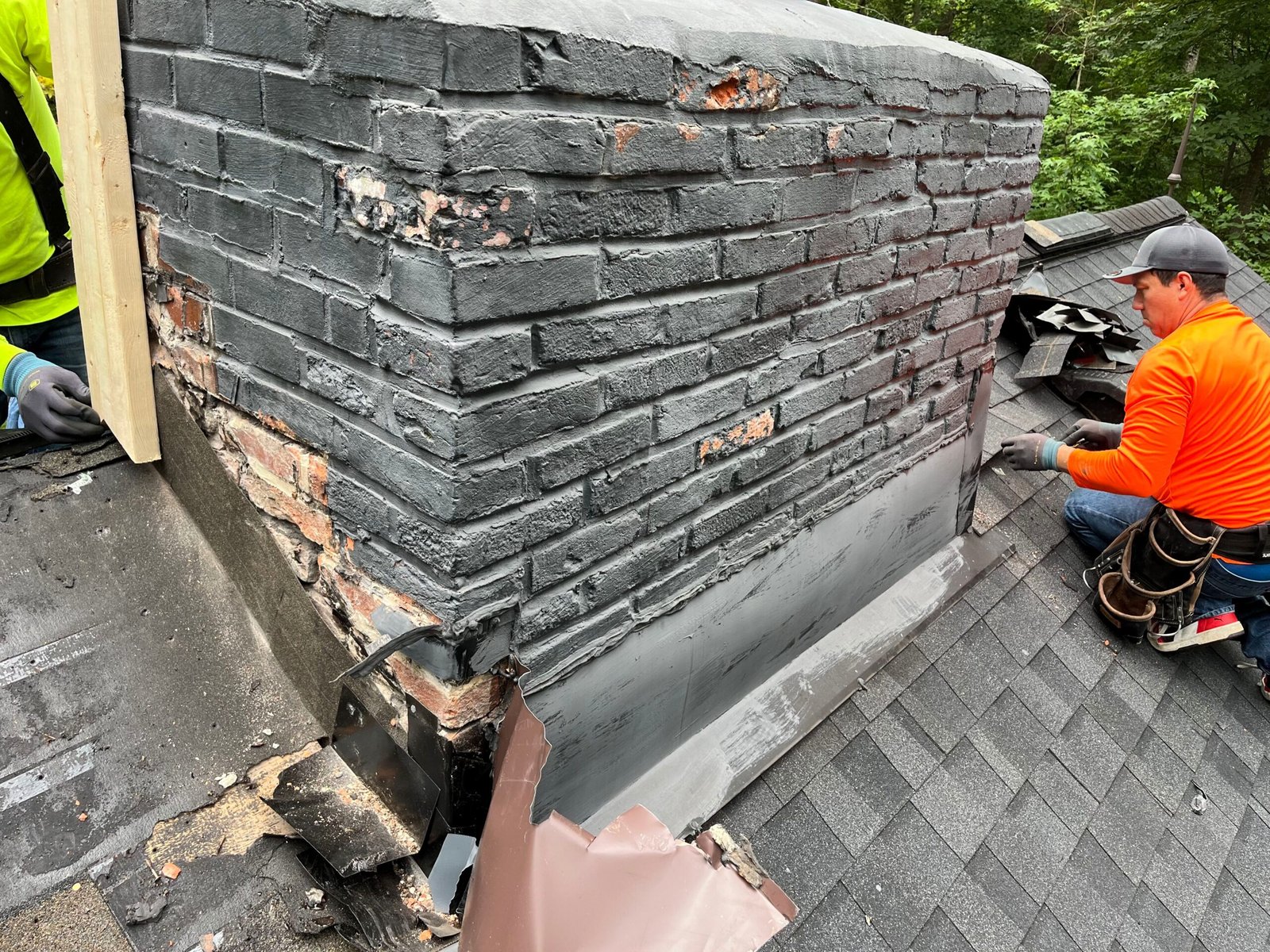
Learn chimney flashing repair steps, costs, and materials. Protect your home from leaks with expert flashing services in your area.
Homeowners often overlook the importance of proper chimney flashing until leaks start causing stains, mold, or roof damage. Chimney flashing, the metal seal between your chimney and roof, protects your home from water infiltration. Ignoring a failing flashing system can lead to costly repairs, structural damage, and increased energy bills. In this guide, you’ll learn the signs of failing chimney flashing, the repair process, cost expectations, and why professional installation is crucial. Whether you notice leaks or are inspecting your roof proactively, local roofing experts at Archer Chimneys & Exteriors can help protect your home. Schedule a free roof inspection today through our website to ensure your chimney flashing is in top condition.
What You’ll Learn in This Chimney Flashing Repair Guide
- Key signs your chimney flashing may be failing
- Difference between roof leaks and chimney flashing leaks
- Types of flashing materials and installation methods
- Step-by-step chimney flashing repair process
- Cost factors and expectations
- Why professional installation matters
Why Chimney Flashing Matters for Your Home
Chimney flashing forms the seal between your chimney and roof, preventing rain, snow, and ice from seeping into your home. Seasonal storms and heavy rains can worsen even minor flashing issues, causing leaks, mold growth, and structural damage. Ignoring faulty flashing can compromise your roof’s integrity, increase repair costs, and lower energy efficiency. Properly installed flashing keeps your home safe, dry, and energy-efficient year-round.
Signs of Failing Chimney Flashing
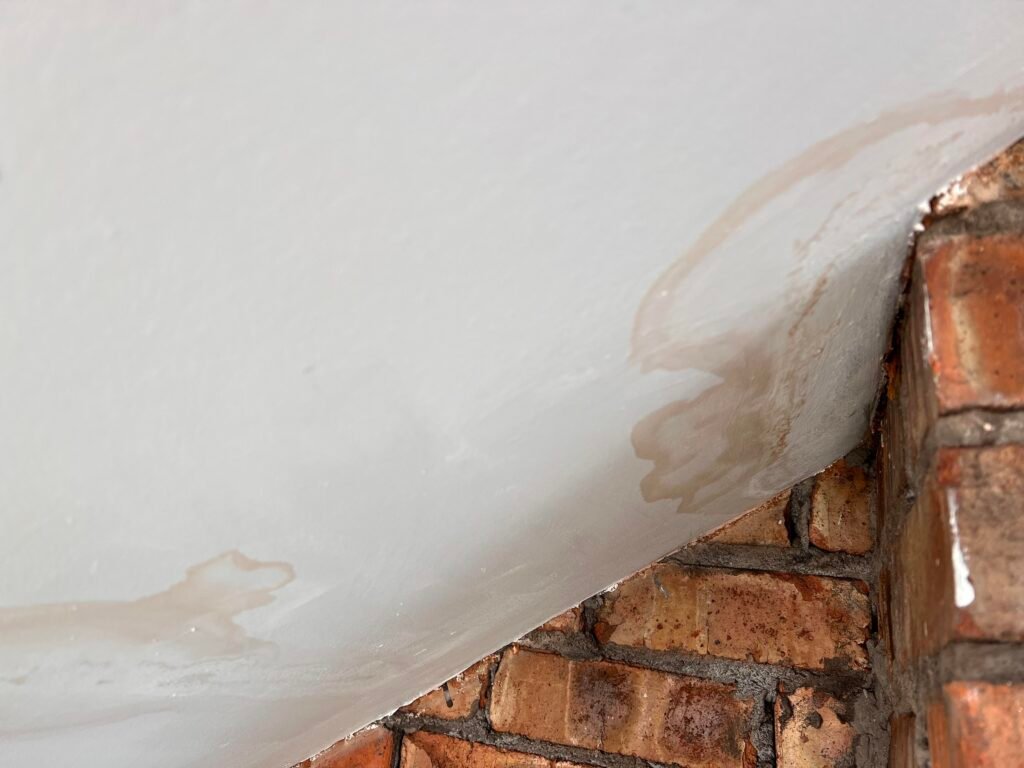
Water Stains Around the Chimney
Leaks often show as water stains on walls or ceilings. where rainstorms are frequent, untreated leaks can lead to mold and rot. Homeowners should call a local roofing contractor immediately for inspection.
Rust or Deterioration of Metal Flashing
Corrosion weakens flashing, increasing leak risk. Rust can spread, damaging shingles and underlying wood. Professional repair is recommended for long-term protection.
Missing or Loose Flashing Sections
Loose flashing can allow water to penetrate the roof. If noticed, schedule a repair to prevent larger structural issues.
Roof Leaks Near the Chimney
Persistent leaks around the chimney are often flashing-related. Local roofing companies can identify the source and provide a lasting repair.
Cracks in Caulking Around Flashing
Caulking alone often fails over time. Replacing flashing with proper materials prevents recurring leaks.
Local Causes of Chimney Flashing Damage
Storms, High Winds, and Hail
Severe weather can bend or displace flashing, causing leaks.
Sun and Temperature Extremes
Heat expands metal, while cold contracts it, weakening flashing over time.
Poor Installation or Low-Quality Materials
Improper installation or cheap materials often fail prematurely.
Age of the Flashing
Older flashing, usually over 15–20 years, is more likely to fail.
Lack of Regular Roof Inspections
Routine inspections catch early signs of flashing failure before serious damage occurs.
Chimney Flashing Repair Process: Step-by-Step
Step 1: Inspection and Assessment
A professional inspects the chimney flashing, surrounding shingles, and roof areas for any signs of damage. They evaluate rust, loosened sections, or gaps that could cause leaks. This ensures a precise plan for repair or replacement.
Step 2: Removal of Damaged Flashing
Old, rusted, or loose flashing is carefully removed to prevent further damage to the roof or chimney. Proper removal prepares the area for a secure installation. It also ensures that the new flashing will adhere correctly and last longer.
Step 3: Material Selection
Choose the best material for your chimney flashing based on durability, local weather, and budget. Options include aluminum, copper, or galvanized steel. Selecting the right material ensures long-term protection against leaks and corrosion.
Step 4: Installation of New Flashing
Step, counter, and base flashing are installed carefully to create a watertight seal around the chimney. Proper alignment prevents water from seeping under shingles. Professionals make sure the flashing integrates seamlessly with the roof.
Step 5: Caulking and Sealing
High-quality caulk is applied to reinforce the flashing and prevent leaks. While it helps protect against water intrusion, it does not replace proper flashing installation. This step ensures maximum durability and leak prevention.
Step 6: Final Inspection and Cleanup
The work area is thoroughly cleaned, and all debris is removed from the roof and gutters. The repair is inspected to confirm proper sealing and alignment. Final checks guarantee long-lasting protection for your chimney and roof.
Cost of Chimney Flashing Repair
Repair costs depend on flashing material, roof accessibility, and the extent of damage. On average, expect to pay $300–$900 for a professional repair. Larger jobs or copper flashing may cost more. Free local inspections provide an accurate estimate.
Why Professional Installation Matters
DIY fixes or caulking alone are temporary. Professional roofing contractors ensure flashing is correctly installed, preventing leaks, structural damage, and recurring costs. Licensed and insured experts also provide warranties for peace of mind.
Challenges Homeowners Often Face
- Difficulty Identifying the Leak Source – Water stains inside may look like a roof issue, but it could be a hidden flashing failure.
- Recurring Leaks After Temporary Fixes – Caulking or band‑aids often fail quickly without proper flashing installation.
- High Costs Due to Roof Access & Materials – Steep roofs or premium metals like copper increase labor and material expenses.
- Poor Previous Workmanship – Improperly installed flashing or mismatched overlaps cause leaks to persist even after repair attempts.
Why Homeowners & Businesses Trust Archer Chimneys & Exteriors
Archer Chimneys & Exteriors is a fully licensed and reputable contractor specializing in fireplaces, chimneys, and home heating solutions. They proudly serve homeowners and businesses throughout Newnan, Marietta, and surrounding areas, delivering professional, safe, and long-lasting solutions.
- Licensed, insured, and experienced with hundreds of fireplace, chimney, and heating projects
- Experts in durable, safe, and efficient gas fireplaces, venting systems, and chimney repairs
- Complete services: fireplace installation, replacement, inspection, maintenance, and gas line work
- Serving homes, offices, and commercial properties throughout Georgia
- Honest, transparent, and customer-first service approach
- Solutions designed to meet safety codes, maximize efficiency, and enhance comfort and value.
Conclusion
Chimney Flashing Repair is essential for preventing water leaks and protecting your home from costly roof, attic, and interior damage. Proper chimney flashing repair and installation ensure long‑lasting performance, especially in areas with frequent rain or storms. Ignoring issues like rust, gaps, or loose flashing can lead to bigger problems down the road. Trust local professionals to assess and perform chimney flashing repair correctly to safeguard your roof’s integrity.
For more updates, expert tips, and customer reviews, follow us on Facebook and Instagram, or visit our GMB to see why homeowners trust us.
Contact us today to schedule your inspection or get a free quote
Frequently Asked Questions
What is chimney flashing, and why is it important?
Chimney flashing is metal that seals the gap between your chimney and roof to prevent leaks. It protects your home from water damage and structural issues.
How much does chimney flashing repair usually cost?
On average, repairing chimney flashing costs roughly $400–$1,600, depending on materials, roof access, and damage severity.
Can I repair chimney flashing myself?
Minor resealing with caulk can be a temporary fix, but proper flashing repair and installation are best done by professionals to ensure long‑term protection.
What materials are used for chimney flashing?
Common materials include aluminum, galvanized steel, and copper, with copper being the most durable but also the most expensive.
When should chimney flashing be replaced rather than repaired?
Flashing should be replaced if it’s severely corroded, loose, or repeatedly leaking, especially on older roofs nearing the end of their lifespan.