
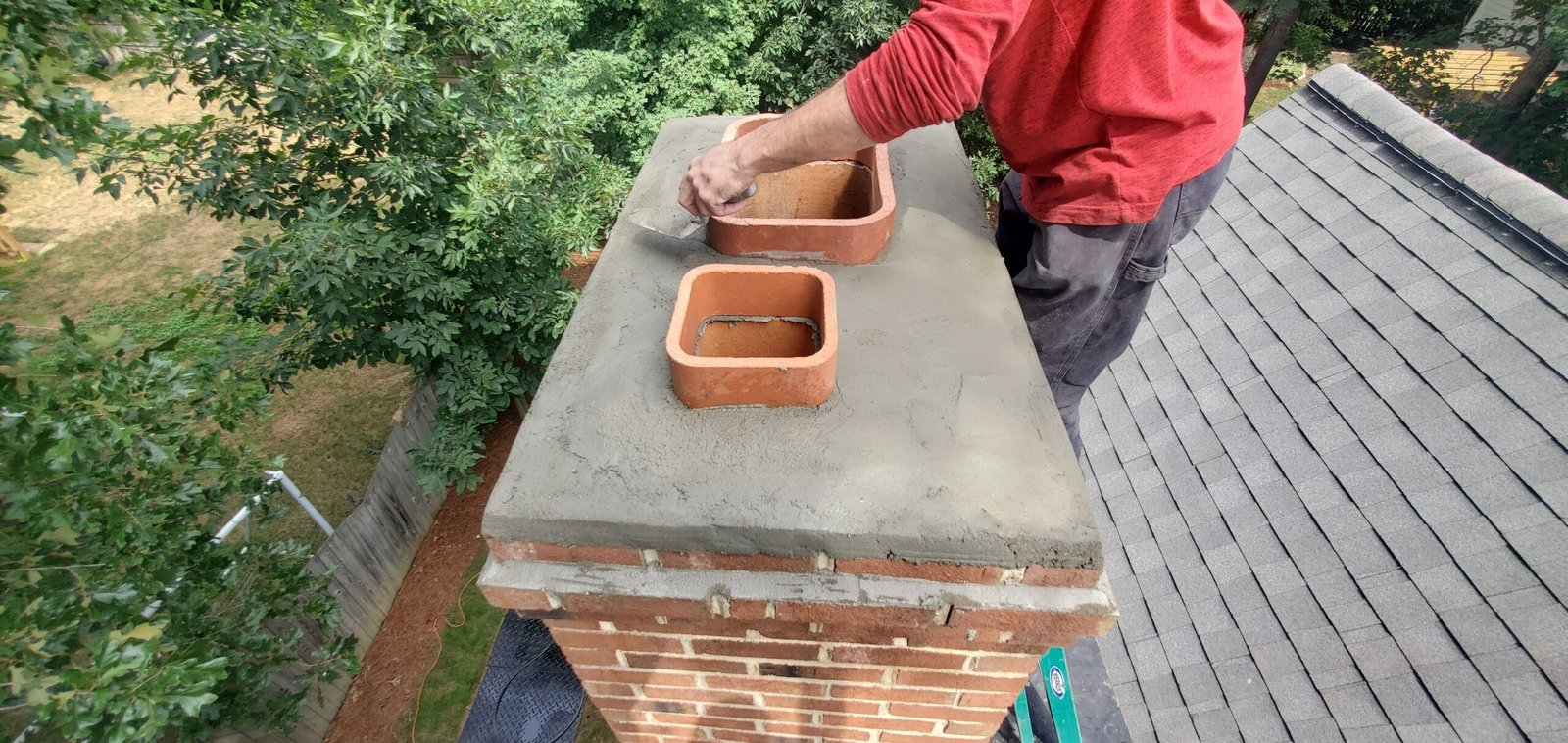
To repair cracks in brick mortar: remove damaged mortar to at least 1/2-inch depth, clean the joint, dampen the brick, apply the correct mortar type, and tool the joint smooth. Allow 24–48 hours to cure. For fireplace cracks, always use refractory mortar rated for high heat.
Cracked brick mortar is one of the most common and most misunderstood home maintenance problems. A hairline crack can look minor. Left untreated, it allows water, heat, and structural stress to cause thousands of dollars in damage.
This guide shows you exactly how to repair cracks in brick mortar, when to do it yourself, and when to call a professional.
Types of Brick Mortar Cracks: What You Are Looking At
Not all cracks are the same. Identifying the type correctly determines the right repair approach. Using the wrong method or the wrong material can make damage worse.
Hairline Cracks (Less Than 1/16 Inch)
- Caused by normal thermal expansion or minor settling.
- Cosmetic in most cases. Can be sealed with masonry sealant.
- Monitor before repairing; they may be stable.
Crumbling or Missing Mortar Joints
- Mortar has failed. Patch-only repairs will not hold.
- Requires full repointing: removing old mortar and packing in new.
- Common in Georgia homes due to humidity and freeze-thaw cycles.
Stair-Step Cracks
- Follow mortar joints in a diagonal pattern.
- Strong indicator of foundation movement or settlement.
- Require professional structural evaluation before repair.
Horizontal Cracks
- Indicate lateral pressure often from water or soil movement.
- Do not attempt DIY repair. Call a licensed mason immediately.
Vertical Cracks
- Can result from thermal expansion or differential settling.
- Width and location determine urgency.
When to Worry About Cracks in Brick Mortar
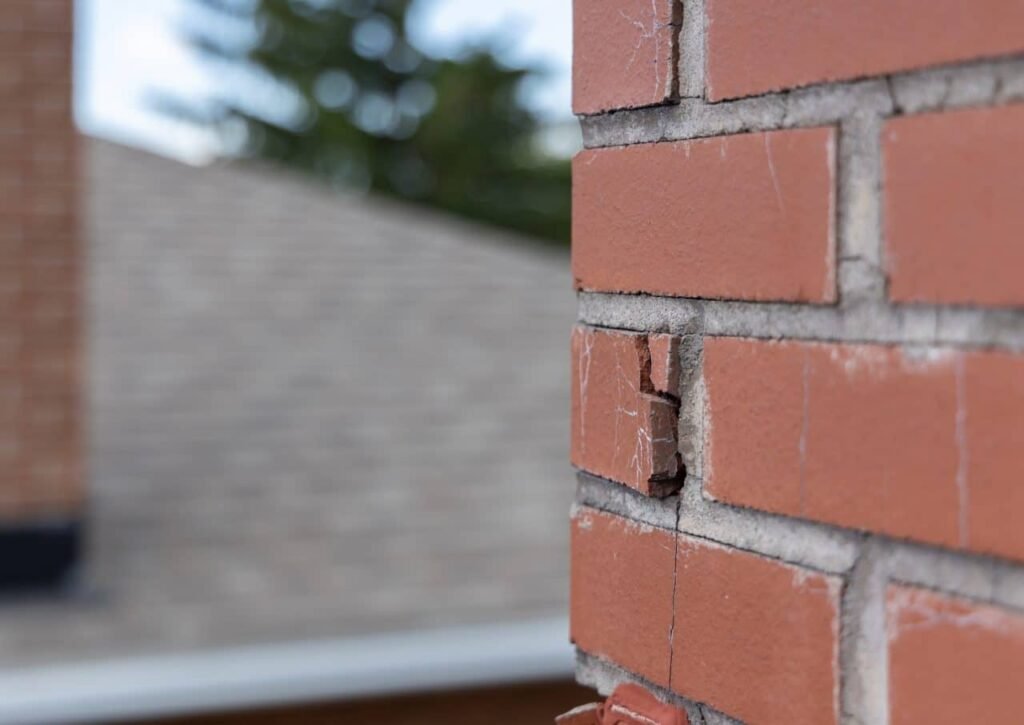
Some cracking is normal over time. But certain warning signs demand urgent action. Stop using your fireplace and schedule a professional inspection if you see any of these:
- Cracks wider than 1/4 inch anywhere on the chimney or firebox
- Stair-step patterns spanning multiple mortar joints
- Loose, spalling, or bowing bricks near cracked mortar
- Smoke entering your home from around the fireplace
- Visible daylight through the chimney walls
- White chalky powder (efflorescence) on the brick near the cracked joints
- Any crack inside the firebox walls or fireplace floor
- Cracks that have visibly grown or changed shape over time
Georgia Climate Note: Homeowners in Newnan, Marietta, and Asheville face higher mortar deterioration rates. Georgia’s humidity and freeze-thaw cycles break mortar down faster than drier climates. Schedule annual chimney inspections as a standard practice.
Tools and Materials You Need for Brick Mortar Repair
For Exterior Chimney and Brick Walls
- Cold chisel and hammer, or angle grinder with mortar-raking blade
- Wire brush and stiff-bristle cleaning brush
- Mason’s trowel and narrow pointing trowel
- Type S mortar mix (for load-bearing or structural joints)
- Spray bottle with water
- Safety glasses and gloves
- Masonry waterproofing sealant (for finishing layer)
For Fireplace and Firebox Repairs
Standard mortar cannot withstand fireplace temperatures. Using it inside a firebox is a fire hazard.
Use only these materials for any repair inside or adjacent to the combustion chamber:
- Refractory mortar rated for 1,000°F or higher. Required for all firebox joint repairs.
- High-temperature refractory caulk is ideal for sealing hairline cracks in firebrick.
- Fire cement for patching cracked firebricks or bonding replacement bricks.
Critical: Never use standard Portland cement mortar, exterior caulk, or drywall compound inside a fireplace. These materials will crack or fail under heat and can create a fire hazard.
How to Repair Cracks in Brick Mortar: Step-by-Step
Follow these steps for exterior chimney or brick wall mortar joint repairs. For fireplace firebox repairs, apply the same process using refractory mortar instead.
Step 1: Inspect and Assess
Walk the full perimeter of the chimney or wall. Use a screwdriver to probe mortar joints. If mortar crumbles or feels soft, it has failed and must be fully replaced, not patched over. Note the crack pattern, width, and location before choosing a repair approach.
Step 2: Remove Damaged Mortar
Use a cold chisel, hammer, or angle grinder to remove old mortar to a depth of 1/2 to 3/4 inch. This depth is non-negotiable. Shallow applications do not bond and will crack again quickly. Work carefully to avoid chipping the brick face. Damaged brick absorbs mortar unevenly.
Step 3: Clean and Prep the Joint
Brush out all dust and debris with a wire brush. Vacuum or blow out remaining particles. Lightly mist the joint with water. This prevents the brick from pulling moisture out of fresh mortar. Dry brick causes premature mortar shrinkage and cracking during the cure.
Step 4: Mix the mortar to the Right Consistency
Mix the mortar to a peanut butter consistency. It should hold its shape without drooping or crumbling. Match the original mortar color using a pigment additive where visible. Color mismatch can indicate that the wrong mortar type is being used.
Step 5: Pack and Tool the Joint
Load mortar onto a hawk board or pointing trowel. Fill horizontal joints first, then vertical. Pack mortar firmly in layers for deep joints. Allow each layer to firm slightly before adding more. Strike the joint with a jointing tool to match the profile of the surrounding original joints.
Step 6: Clean and Cure
Wipe excess mortar off brick faces immediately with a damp sponge. Do not let it harden on the brick. Allow 24 to 48 hours of curing time. Do not use the fireplace or expose the area to water. In hot or dry weather, mist the repair once or twice daily to slow curing and prevent shrinkage.
How to Fix Cracks in a Brick Fireplace
Fireplace repairs follow the same general steps, but with heat-rated materials and extra care.
For Hairline Cracks in the Firebox
- Clean the crack with a wire brush and vacuum.
- Apply high-temperature refractory caulk with a caulk gun.
- Tool smooth with a wet finger or a narrow trowel.
- Allow to cure for 24 hours before lighting a fire.
- For the first use, build a small, gradual fire to temper the repair.
For Crumbling Mortar Joints in the Firebox
Use the full 6-step process above. Substitute refractory mortar for standard mortar. The back wall and sides experience the most heat. Inspect these areas most carefully. Replace any firebrick that has cracked through a hairline surface crack can sometimes be patched.
What Is Good to Use for Sealing Cracks Along a Fireplace?
- Inside the firebox: Refractory caulk or refractory mortar rated 1,000°F+
- Around the decorative brick surround: High-heat paintable masonry caulk
- Exterior chimney joints: Type S mortar, then a masonry waterproofing sealant
- Chimney crown cracks: Crown Seal or elastomeric sealant designed for chimney crowns
What Is the Best Brick Crack Filler? Quick Reference
The correct filler depends entirely on where the crack is and what temperatures it will face.
Using the wrong product is the most common DIY mistake in brick and fireplace repairs.
Location | Best Product | Key Requirement |
Firebox walls & joints | Refractory mortar | Rated 1,000°F+ |
Hairline fireplace cracks | High-temp refractory caulk | Flexible, heat-resistant |
Chimney crown cracks | Crown Seal elastomeric sealant | Waterproof + flexible |
Exterior chimney joints | Type S mortar | Match original mortar type |
Decorative brick surround | Paintable masonry caulk | Cosmetic, not structural |
Exterior brick walls | Pre-mixed mortar repair compound | Color-match existing mortar |
Is My Fireplace Safe if the Bricks Are Cracked?
Minor surface cracks in the decorative surround are usually not an immediate hazard. Cracks inside the firebox are a different matter. They can allow heat and carbon monoxide to escape.
Stop Using Your Fireplace Immediately If You Notice:
- Cracks running through firebricks inside the combustion chamber
- Crumbling or missing mortar joints inside the firebox
- Smoke is escaping into the room around the fireplace opening
- Gaps where the firebox meets the surrounding structure
- A burning smell or unusual smoke behavior during use
- Soot staining appearing on walls or ceilings near the fireplace
These conditions allow combustion gases, including odorless carbon monoxide, to enter your home.
Schedule a professional fireplace inspection before lighting another fire in a cracked firebox.
Cost of Brick Mortar Crack Repair: 2026 Price Guide for Georgia Homeowners
Repair costs vary widely based on damage severity, chimney size, and accessibility.
Here are realistic ranges for homeowners in Newnan, Marietta, and surrounding Georgia communities:
- Minor spot repointing (1–3 joints): $200 – $500
- Fireplace firebox mortar repair: $300 – $900
- Full chimney tuckpointing (single flue): $700 – $2,500
- Chimney crown repair or rebuild: $400 – $1,200
- Chimney rebuild from roofline up: $1,500 – $5,000
- Full chimney replacement (ground to top): $8,000 – $20,000+
Cost Factors That Affect Your Final Price
- Chimney height and roof pitch scaffolding adds 20%–40% to labor costs
- Mortar type required for historic homes may need specialized lime-based mortar
- Number of faces or sides with damage
- Whether brick replacement is needed alongside mortar repair
- Accessibility and local labor rates in your area of Georgia or North Carolina
Cost-Saving Tip: Archer Chimneys & Exteriors applies the inspection fee directly toward any repair booked within 30 days. Your $149.99 Level 1 Inspection is never wasted money.
How to Prevent Brick Mortar Cracks from Coming Back
Repairing existing cracks is only part of the solution. Prevention saves money long-term.
- Annual chimney inspection catches small cracks before they expand
- Installing a chimney cap keeps water, debris, and animals out of the flue
- Apply vapor-permeable masonry waterproofing, which allows moisture vapor to escape while blocking rain
- Repair chimney crown cracks promptly. The crown is the first line of defense against water
- Ensure gutters and downspouts drain water away from chimney bases and exterior brick
- In Newnan and Marietta, schedule inspections in early spring and after severe winter weather
Why Choose Archer Chimneys & Exteriors
Archer Chimneys & Exteriors is a licensed, insured, family-owned chimney and exterior services company. We are based in Newnan, GA, and serve homeowners throughout Coweta County, Marietta, and Asheville, NC.
Here is what separates us from general contractors and national chains:
- Full leak diagnosis. We assess every potential entry point on every visit. You get a complete diagnosis, not a partial fix.
- Level 2 video camera inspections: We inspect the interior of your flue from crown to firebox. We identify damage that is invisible from the outside.
- Chimney and roofing expertise combined: Since chimney leaks often involve both the chimney and the roof, our dual expertise removes the guesswork about where the water originates.
- Licensed and insured: We carry full licensing and liability coverage across all service areas.
- 279+ verified Google reviews: Our reputation is built on honest inspections and accurate repairs for homeowners throughout the Newnan area.
- Inspection fee applied to repairs: Your inspection fee counts toward any repair or service within 30 days. You are paying for real answers
Final Thoughts: The Sooner You Repair Brick Mortar Cracks, the Less It Costs
Knowing how to repair cracks in brick mortar is the first step. Acting on it is what protects your home. Small hairline cracks are manageable. Ignored cracks become structural problems. A $300 mortar repair handled now can prevent a $10,000 rebuild later.
If you are in Georgia or North Carolina and you have noticed cracking on your chimney, fireplace, or exterior brick, schedule a professional inspection before the damage advances.
At Archer Chimneys & Exteriors, a Level 1 Chimney Inspection costs $149.99. That fee applies toward any repair work booked within 30 days.
For more updates, expert tips, and customer reviews, follow us on Facebook and Instagram, or visit our Google My Business to see why homeowners trust us.
Contact us today to schedule your inspection or get a free quote.
FAQs
How do you repair cracks in brick mortar?
Remove damaged mortar to at least a 1/2-inch depth using a chisel or angle grinder. Clean the joint, dampen the brick, and pack in fresh mortar matching the original type. Tool the joint smooth, remove excess from brick faces, and allow 24–48 hours to cure.
When should I worry about cracks in brick mortar?
Worry when cracks are wider than 1/4 inch, follow a stair-step pattern, or appear inside the firebox. Also, be concerned if bricks are loose, smoke enters your home, or efflorescence appears near cracks.
How do you fill cracks in a brick fireplace?
For hairline cracks, apply high-temperature refractory caulk rated for 1,000°F or higher. For wider cracks or failed mortar joints, use refractory mortar and the full repointing process.
What is good to use for sealing cracks along a fireplace?
Use refractory caulk or refractory mortar inside the firebox, high-heat masonry caulk for surrounds, and elastomeric sealant for chimney crowns.
What is the best brick crack filler?
The best filler depends on the location. Use refractory mortar for fireboxes, Type S mortar for exterior joints, and elastomeric sealant for chimney crowns.