
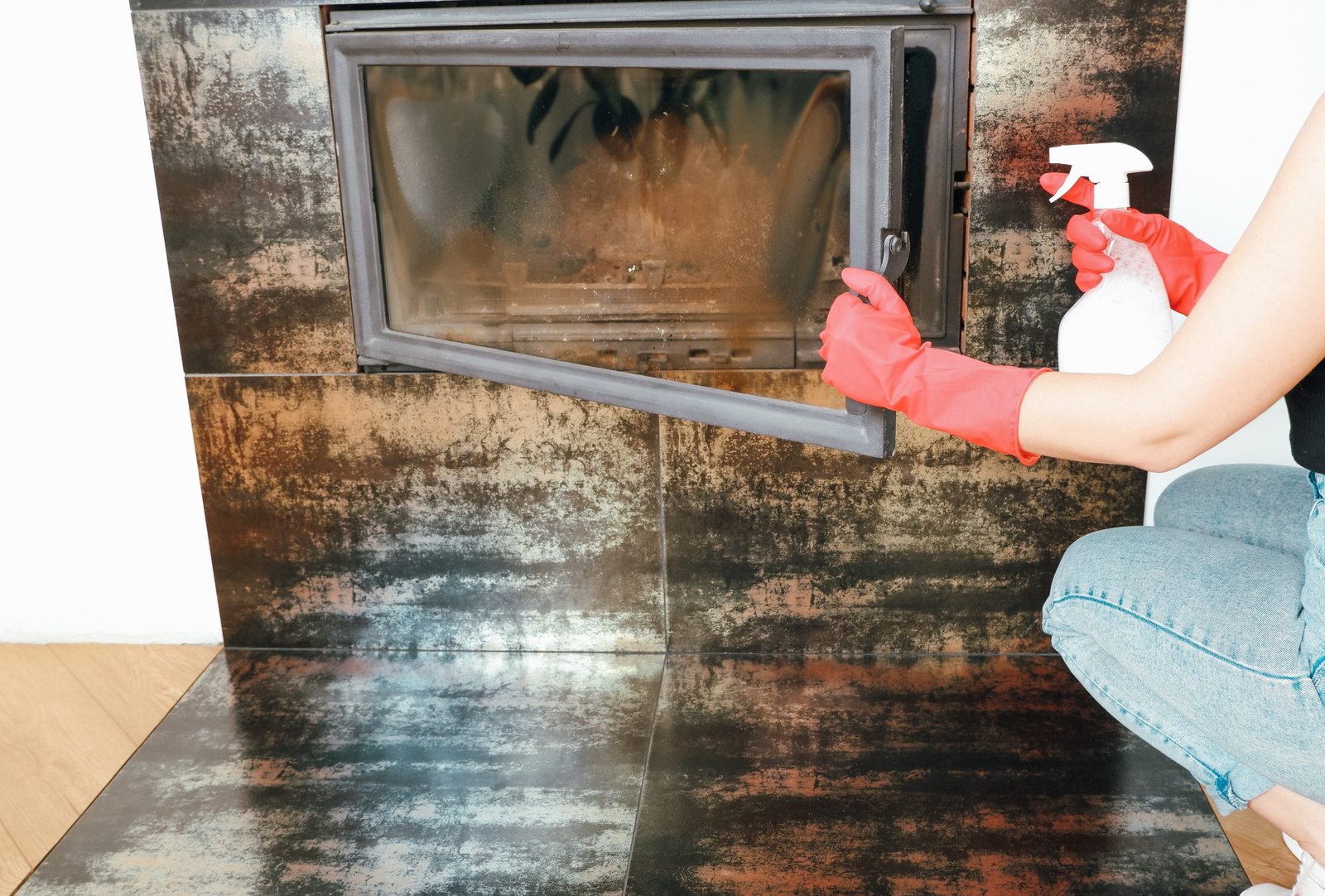
Struggling with fireplace smells in spring? Discover the top causes and expert-backed solutions to eliminate chimney odors fast. Call Archer Chimneys & Exteriors today!
You haven’t used your fireplace in months. Winter is over, the temperatures are climbing, and the last thing you expected was to walk into your living room and be hit with a strong, unpleasant odor coming straight from your fireplace. If this sounds familiar, you are not alone. Fireplace smells in spring are one of the most common complaints homeowners bring to chimney professionals every year, and the good news is that the problem is almost always fixable.
The smell can range from a musty, earthy odor to a sharp, smoky smell in the house fireplace that seems to intensify on warm, humid days or right after it rains. Understanding why this happens, and what you can do about it, is the first step toward getting your home smelling fresh again. In this guide, the certified chimney experts at Archer Chimneys & Exteriors walk you through every major cause of spring chimney odor and give you real, actionable solutions, whether you prefer a DIY approach or want a professional to handle it fast.
Why Spring Is the Worst Season for Chimney Odors
Most homeowners are surprised to learn that spring, not winter, is peak season for chimney smell complaints. The reason comes down to a combination of three powerful environmental factors that converge right around March through June: rising humidity, warming temperatures, and shifting air pressure patterns.
During winter, the cold, dry air inside your chimney tends to keep moisture levels low and odors relatively suppressed. But as temperatures climb in spring, the moisture that accumulated throughout the heating season from condensation, rain, and residual creosote begins to activate. Warm air holds more moisture than cold air, which means your chimney becomes a humid, enclosed environment where odor-causing compounds thrive. This is a major reason why fireplace smell humidity is such a commonly searched phrase among homeowners dealing with this exact issue.
On top of that, spring brings a change in air pressure and wind patterns. During the months you actively use your fireplace, the rising heat from the fire creates a strong updraft that pulls air up and out of the chimney. But in spring, with no fire burning, that draft can actually reverse. Cold air from outside pushes down into the chimney, and instead of odors escaping up and out, they get pushed directly into your living space. This is called a negative draft, and it is one of the most significant contributors to chimney odor problems in the off-season.
The Top Causes of Fireplace Smells in Spring
Understanding the root cause of your odor is essential before you can treat it effectively. Based on our on-site assessment findings at Archer Chimneys & Exteriors, here are the most common culprits behind fireplace smells in spring.
1. Creosote Buildup
Creosote is a natural byproduct of burning wood. Every time you use your fireplace during the heating season, a layer of this dark, tar-like substance builds up on the interior walls of your flue. Creosote is highly flammable and is the leading cause of chimney fires, but it is also the most common source of that sharp, smoky, or asphalt-like odor that homeowners notice in the spring.
When spring humidity rises, moisture activates the creosote deposits inside your chimney and causes them to off-gas a potent, acidic smell. The heavier the buildup, the stronger the smell. If your chimney has not been professionally cleaned in over a year, creosote is almost certainly a significant part of your odor problem. This is also directly tied to chimney odor removal. A thorough professional chimney sweep is often the single most effective step you can take.
2. Water Intrusion and Moisture Problems
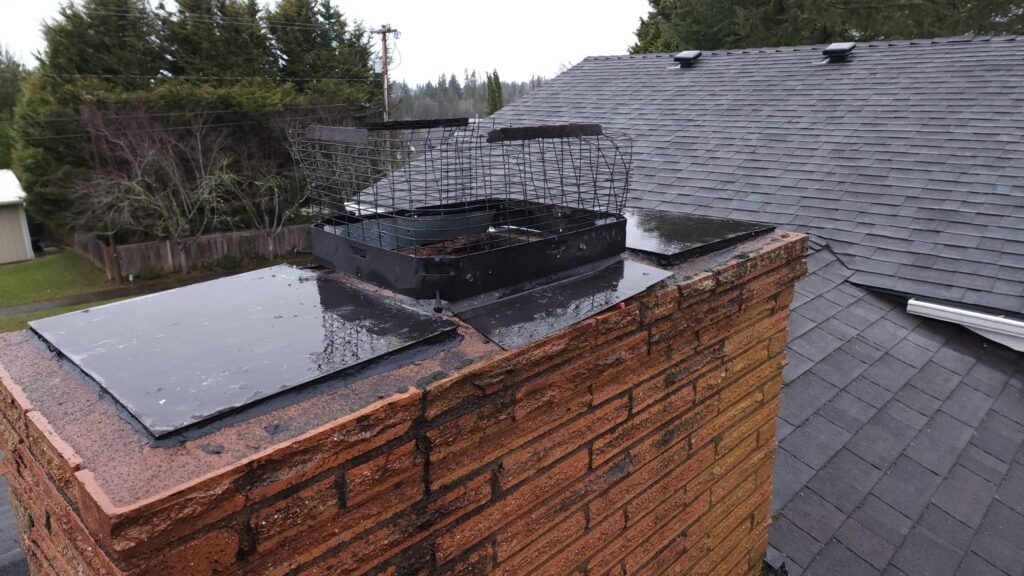
Water is the enemy of every chimney, and spring is the season when water intrusion becomes most apparent. Whether it is rain getting past a damaged chimney cap, condensation forming on the interior flue walls, or water seeping through cracks in the mortar or crown, moisture inside a chimney creates the perfect environment for mold, mildew, and bacteria to grow.
The resulting smell is typically described as musty, damp, or earthy, sometimes similar to a wet dog. Fireplace smell, humidity complaints are almost always connected to some form of water intrusion. If you notice that the smell gets significantly worse after rain, that is a very strong indicator that water is getting into your chimney somewhere it should not.
3. Animal Nesting and Debris
Chimneys that are not capped or that have a damaged chimney cap are open invitations for birds, squirrels, raccoons, and other wildlife. Spring is nesting season, and animals actively seek warm, sheltered spaces to raise their young. Once an animal takes up residence in your chimney, the smell can become severe, a combination of nesting materials, droppings, decomposing food, and, in some tragic cases, deceased animals.
Even if animals are no longer present, leftover nesting materials, twigs, leaves, feathers, and debris can hold moisture and produce a musty or organic odor that filters into your home every time there is a shift in air pressure.
4. A Dirty or Clogged Flue
If your chimney cap is in place but your chimney has not been swept in a while, general debris accumulation can be the source of your smell. Leaves, twigs, dirt, and soot all collect inside the flue over time. When spring humidity activates this accumulated material, the result is a stale, unpleasant odor. In some cases, this debris can also block proper airflow, making the negative draft effect even worse and causing more odor to push into your living space.
5. A Faulty or Open Damper
Your fireplace damper is the metal plate inside your chimney that is designed to seal off the flue when the fireplace is not in use. If your damper is stuck open, warped, corroded, or simply not sealing properly, outside air and all the smells from inside the chimney can flow freely into your home. This is one of the most overlooked causes of fireplace smells in spring. Many homeowners assume their damper is closed when it is actually slightly open or has a broken seal.
Throat dampers (the traditional style located just above the firebox) are especially prone to warping over time due to repeated exposure to heat and moisture. A top-mounted damper, installed at the very top of the chimney, provides a much tighter seal and is often recommended as an upgrade by our certified roofing and chimney contractors.
6. Negative Air Pressure Inside the Home
Sometimes the smell problem is not entirely about the chimney itself; it is about the air dynamics of your home. Modern, well-insulated homes are designed to be airtight, which is great for energy efficiency but can sometimes create negative air pressure. When your home is under negative pressure, air gets pulled in from wherever it can, and the chimney is a convenient pathway.
This is especially common in homes with powerful exhaust fans in kitchens and bathrooms, or in homes where the HVAC system is not balanced properly. If your house is essentially “sucking” air in through the chimney, it will also be pulling in all the odors that live inside the flue.
How to Get Rid of Fireplace Smells in Spring: Step-by-Step Solutions
Now that you understand what is causing the problem, here is how to fix it. Some of these steps you can do yourself; others are best left to a professional chimney technician.
Step 1: Schedule a Professional Chimney Inspection and Cleaning
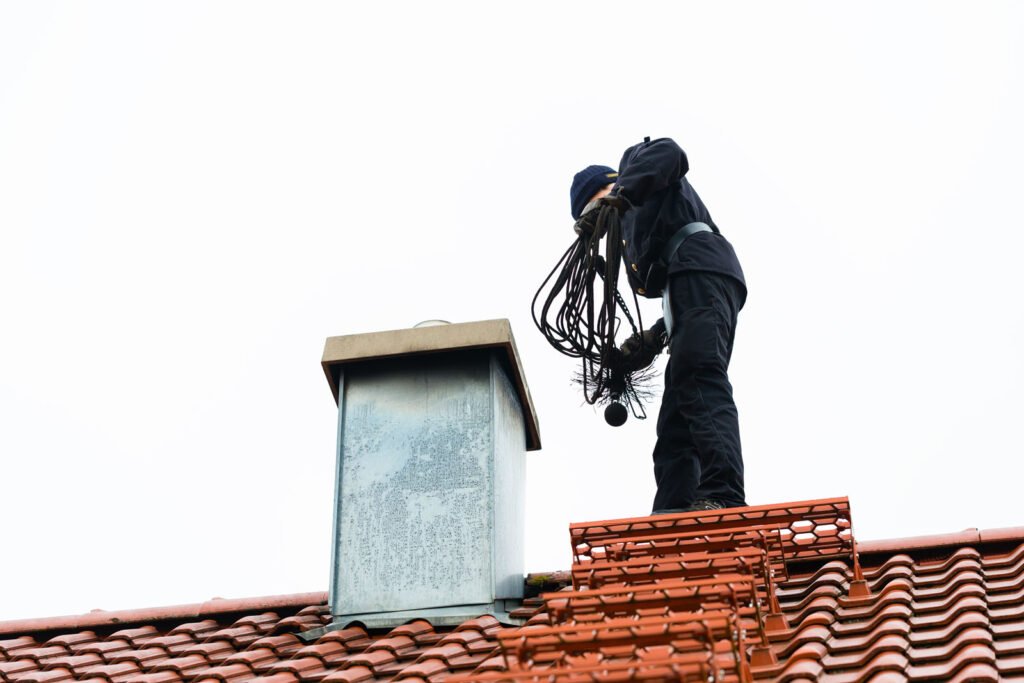
This is always the most important first step. A certified chimney sweep will remove all creosote deposits, clear out any debris or nesting material, identify water intrusion issues, and assess the condition of your damper, cap, crown, and liner. Based on our real inspection results at Archer Chimneys & Exteriors, a single professional cleaning resolves chimney odor removal issues in the majority of cases. We recommend scheduling this every spring as routine maintenance, not just when a smell appears.
Our licensed and insured chimney experts follow industry-standard inspection methods and provide a complete assessment of every component of your chimney system. We believe in transparent pricing with no hidden costs, so you always know exactly what work needs to be done and why.
Step 2: Check and Repair Your Chimney Cap
If your chimney does not have a cap, or if your existing cap is damaged, this needs to be addressed immediately. A properly installed chimney cap prevents rain, debris, and animals from entering your flue. It is one of the most cost-effective improvements you can make to your chimney system and one of the best ways to prevent recurring spring odor problems. Our chimney specialists can inspect your cap as part of a comprehensive service visit.
Step 3: Upgrade or Repair Your Damper
If your damper is not sealing properly, you are losing the battle against chimney odors from the start. A top-mounted damper is the gold standard; it seals the entire top of the flue with a rubber gasket, preventing outside air, moisture, and animals from entering when the fireplace is not in use. If your existing throat damper is in poor condition, upgrading to a top-mounted model is a smart, long-term solution to fix the chimney smell fast.
Step 4: Address Water Intrusion
If moisture is entering your chimney, it needs to be stopped at the source. Depending on the extent of the problem, this might involve repointing cracked mortar joints, repairing or rebuilding the chimney crown, applying a waterproof sealant to the exterior masonry, or flashing repairs around the base of the chimney where it meets the roof. Water damage is progressive; the longer it is left unaddressed, the more expensive the repairs become. Our team has hands-on experience diagnosing and repairing water intrusion issues at every level of the chimney system.
Step 5: Use a Commercial Chimney Odor Absorber
While you wait for professional service, or as a supplemental measure after cleaning, chimney odor absorbers can help reduce the smell inside your home. Products specifically designed for chimney odor removal are available at most home improvement stores and work by neutralizing the acidic compounds in creosote and absorbing moisture. These are not a permanent fix, but they can make your home much more comfortable in the short term.
Step 6: Balance the Air Pressure in Your Home
If negative air pressure is contributing to your odor problem, opening a window near the fireplace slightly can help equalize the pressure and stop odors from being drawn in. You might also consider having an HVAC professional assess the balance of your home’s ventilation system, particularly if you have recently upgraded to a high-efficiency HVAC system or added significant insulation.
Step 7: Clean the Firebox
Do not overlook the firebox itself, the brick-lined box where your fire actually burns. Ash and soot accumulate at the bottom of the firebox, and when this material gets wet from humidity or water intrusion, it can produce a strong, smoky smell in house fireplace situations. Remove all ash and soot, then wipe down the interior walls with a damp cloth and a mild chimney cleaning solution. Always wear protective gloves and a dust mask when doing this.
When to Call a Professional: Signs You Should Not Ignore
While some minor odor issues can be addressed with DIY methods, certain signs indicate that you need to call a certified chimney professional right away. If you notice any of the following, do not delay:
You see visible staining on the ceiling or walls near your fireplace, which indicates active water leakage. You hear sounds inside your chimney that suggest an animal is currently nesting there. The odor is accompanied by visible soot or smoke entering the room even without a fire burning. You notice a strong, sulfur-like smell, which could indicate a gas leak if you have a gas fireplace. The interior of your firebox or flue liner appears cracked or damaged when you look up inside. Your smoke detector activates even when you are not using the fireplace.
These are all signs of serious issues that go beyond routine odor remediation. At Archer Chimneys & Exteriors, we offer comprehensive chimney inspections to identify and address problems like these before they become dangerous or expensive. We are a trusted chimney service provider with a track record of 5-star customer satisfaction, and we stand behind every job with warranty-backed service.
Preventing Fireplace Smells in Spring: A Year-Round Maintenance Approach
The best way to deal with fireplace smells in spring is to prevent them before they start. Based on our field experience working with hundreds of homeowners, here is the maintenance routine we recommend.
At the end of every heating season, typically in late March or early April, schedule a professional chimney sweep and inspection. This removes all creosote and debris accumulated during the winter, gives technicians a chance to identify any damage that needs repair, and sets your chimney up for a clean, odor-free spring and summer. Think of it like an annual oil change for your chimney.
Make sure your chimney cap is inspected at least once a year. Caps can be damaged by storms, animals, or simply wear and tear over time, and a compromised cap is one of the fastest ways for moisture and debris to enter your flue.
Keep an eye on your firebox throughout the year. If you notice water pooling at the base of the firebox after rain, that is an early warning sign of water intrusion that needs to be addressed promptly. Catching these issues early is always cheaper than dealing with them after significant damage has occurred.
Consider having your chimney professionally waterproofed every few years. High-quality, breathable masonry sealants can significantly reduce moisture penetration into brick and mortar without trapping existing moisture inside the wall, extending the lifespan of your chimney and reducing the likelihood of odor problems.
Archer Chimneys & Exteriors Service & Pricing Guide
Here is a breakdown of our most relevant services for homeowners dealing with chimney odor and fireplace issues this spring:
Service | Description | Estimated Price |
Level 1 Chimney Inspection | Basic visual check of all accessible chimney parts to confirm safe operation | $149 (Limited Time Offer) |
Level 2 Chimney Inspection | Detailed camera inspection covering hidden cracks, blockages, and structural concerns | Call for Quote |
Chimney Sweeping & Cleaning | Full removal of creosote, soot, and debris is the #1 fix for spring chimney odor | Call for Quote |
Chimney Cap Repair / Replacement | Stops rain, animals, and debris from entering the flue | Call for Quote |
Damper Repair / Upgrade | Repair or replace the throat/top-mounted damper to seal out odors and drafts | Call for Quote |
Masonry & Mortar Repair | Restore damaged or deteriorating brickwork to improve both structural strength and appearance | $300 – $2,000 depending on damage severity |
Chimney Waterproofing | Breathable sealant application to prevent moisture intrusion and recurring spring odors | Call for Quote |
Fireplace Installation | Wood-burning, gas, electric, and outdoor fireplace installation tailored to your style and heating needs | Call for Quote |
Gas Diagnostic Inspection | Comprehensive gas system inspection, testing, and minor on-site repairs for safe, efficient operation | Call for Quote |
Heavy-duty vent cleaning for residential and commercial properties to reduce fire risk | Call for Quote |
What Makes Archer Chimneys & Exteriors a Preferred Choice for Property Owners
Archer Chimneys & Exteriors has earned a strong reputation as a dependable and fully licensed provider specializing in fireplaces, chimneys, and complete home heating systems. Serving homeowners and businesses across Newnan, Marietta, and surrounding areas, the company consistently delivers safe, efficient, and long-lasting solutions tailored to each property.
Backed by years of hands-on experience, their team has successfully completed a wide variety of chimney, fireplace, and heating-related projects. Their work reflects a commitment to precision, professionalism, and getting every detail right from the beginning to the final inspection.
They focus on building systems that are both durable and efficient, including gas fireplaces, proper venting setups, and reliable chimney repairs. Their expertise allows them to assess each property carefully and recommend solutions that best match the structure and usage requirements.
Customers benefit from a full range of services such as installations, replacements, inspections, routine maintenance, and gas line services. Each project is handled with careful attention to safety, performance, and long-term reliability.
The company works with residential properties, office environments, and commercial buildings throughout Georgia, offering flexible solutions that meet different structural needs. Regardless of the project size, they maintain a consistent standard of quality and workmanship.
A key factor that differentiates them is their honest, customer-first approach. They prioritize clear communication, provide straightforward recommendations, and maintain transparent pricing, helping clients feel confident in their decisions.
Every solution is designed to meet safety guidelines, improve efficiency, and enhance indoor comfort. With a strong focus on quality and dependable service, Archer Chimneys & Exteriors continues to be a trusted name for chimney and fireplace solutions in the region.
Conclusion: Take Action Before the Smell Gets Worse
Fireplace smells in spring are a common problem, but they are never something you should simply learn to live with. In almost every case, there is a specific, identifiable cause and a specific, effective solution. Whether the culprit is creosote buildup, moisture intrusion, a faulty damper, animal nesting, or negative air pressure, the certified chimney professionals at Archer Chimneys & Exteriors have the experience and expertise to diagnose and resolve the issue quickly.
Our team of licensed and insured chimney experts has years of hands-on experience handling chimney inspections, cleaning, repairs, and odor remediation for homeowners throughout the region. We follow industry best practices on every job, offer free chimney assessments, and stand behind our work with transparent pricing and no hidden costs. If you are dealing with a persistent chimney odor this spring, do not wait; the problem rarely resolves on its own and often gets worse over time.
For more updates, expert tips, and customer reviews, follow us on Facebook and Instagram, or visit our Google My Business to see why homeowners trust us.
Contact us today to schedule your inspection or get a free quote
FAQs
What causes fireplace smells in spring?
Fireplace smells in spring are caused by creosote, moisture, debris, or animals in your chimney. Warm, humid air activates these odors and pushes them into your home.
Why does my fireplace smell worse after rain?
Rain adds moisture to your chimney. This wets the creosote and soot inside, making the smoky smell in your house’s fireplace much stronger. A chimney cap can help stop this.
Is the chimney odor in spring dangerous?
It can be. A smoky smell may mean a blocked flue or creosote buildup. Both are fire risks. Call Archer Chimneys & Exteriors for a safe, fast inspection if the smell is strong.
How do I fix the chimney smell fast?
Close your damper, place an odor absorber in the firebox, and open a window nearby. For a full fix, book a chimney cleaning with Archer Chimneys & Exteriors right away.
Does humidity make fireplace smells worse?
Yes. Fireplace smell and humidity go hand in hand. Moist air wakes up old creosote and mold inside the flue, pushing bad odors into your living space all spring long.