
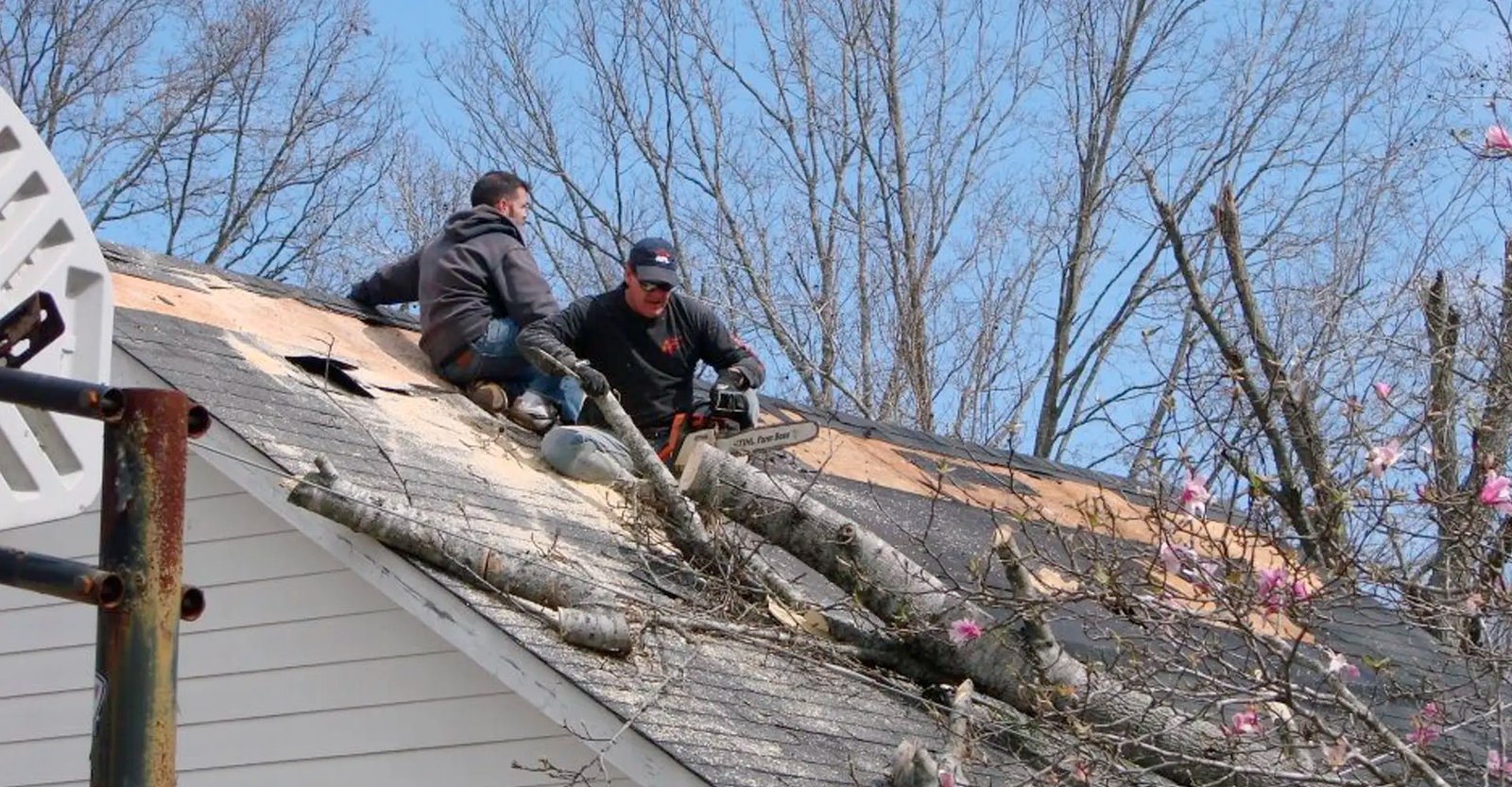
Learn the warning signs of spring storm roof damage Georgia homeowners should check after severe weather, including hail, wind, leaks, and inspection tips.
Spring weather in Georgia can change rapidly. A calm sunny afternoon can quickly turn into a powerful thunderstorm with heavy rain, hail, and strong winds. These seasonal storms can damage homes across the state, and one of the most vulnerable parts of any property is the roof.
Spring storm roof damage Georgia homeowners experience each year is often not immediately visible. While some damage is obvious, such as missing shingles or fallen branches, other problems develop slowly and may only appear days or weeks later when water begins leaking into the home.
It’s no secret that spring storms in Georgia can be quite severe and wreak havoc on our yards and homes. But, how exactly can inclement weather impact the roof of your home? Understanding the effects of storms on roofing systems helps homeowners identify potential problems early and avoid expensive repairs.
Georgia experiences dozens of severe thunderstorms each year. These storms combine heavy rainfall, hail, and high winds that put enormous pressure on roofing materials. Even roofs that appear strong from the ground may develop hidden damage after severe weather.
Recognizing the early warning signs of spring storm roof damage Georgia residents commonly face can help homeowners schedule inspections early and protect their homes from long-term structural issues.
Archer Chimneys & Exteriors provides professional chimney, fireplace, and roofing services across Georgia, helping homeowners keep their homes safe, efficient, and weather-resistant year-round. Our experienced team offers inspections, repairs, and storm damage solutions designed to protect your home from seasonal weather conditions.
Why Spring Storms in Georgia Often Cause Roof Damage
Georgia’s climate makes spring one of the most unpredictable seasons. Rapid temperature changes and strong storm systems often combine multiple weather elements that damage roofs over time.
Rain Damage to Roofing Systems
Heavy rainfall is common during Georgia’s spring storms. Large storm systems can drop significant amounts of water in a short period.
If shingles are already worn or flashing becomes loose, rainwater can seep beneath roofing materials. Once water enters the roofing structure, it may begin damaging roof decking, insulation, and interior ceilings.
Moisture trapped inside the roof can also lead to mold growth, rotting wood, and insulation deterioration. These issues frequently appear after spring storm roof damage Georgia homeowners experience during severe weather.
Hail Damage Roof Signs Homeowners Should Know
Hailstorms are another major cause of roofing damage. Even small hailstones can strike roofing materials with surprising force.
The impact may crack shingles, loosen protective granules, or dent metal components such as vents and flashing. Homeowners often notice dents on gutters or vents before realizing that shingles were damaged during the storm.
Because hail damage is sometimes subtle, it can weaken roofing materials long before leaks become visible.
Wind Damaged Shingles and Flying Debris
Strong winds can be one of the most destructive forces during storms. Wind gusts lift the edges of shingles and break the seal that holds them to the roof deck.
Once this seal breaks, shingles can tear away completely. Wind damaged shingles expose the roof’s underlayment and decking to rainwater, increasing the risk of leaks.
Storm debris such as tree branches or outdoor objects may also strike the roof during severe winds. These impacts can crack shingles or damage flashing around vents and chimneys.
Because of this combination of weather elements, spring storm roof damage Georgia properties experience often involves rain, hail, and wind damage together.
Common Warning Signs of Roof Damage After a Storm
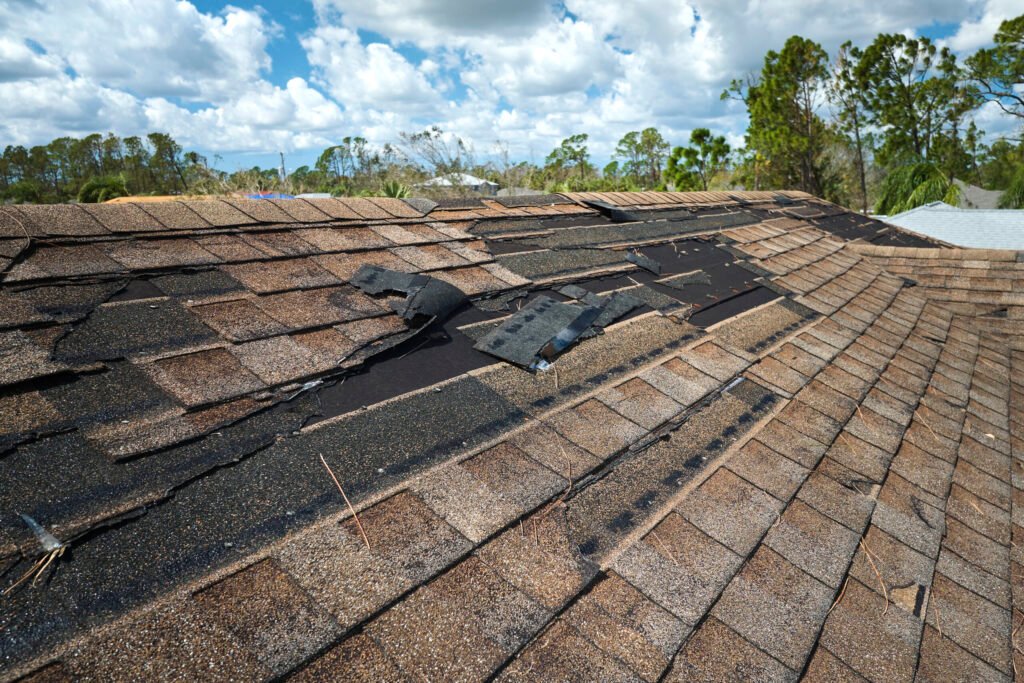
After a storm passes, homeowners should watch for warning signs that their roof may have been damaged.
One of the most obvious indicators is missing or curling shingles. Strong winds can tear shingles away or loosen them so they begin to curl upward. Cracked shingles are another warning sign because they allow water to enter beneath the roofing layers.
Granule loss is another important indicator. Asphalt shingles contain protective granules that shield the roof from sunlight and weather exposure. After severe storms, these granules may collect in gutters or near downspouts.
Interior signs of roof damage can sometimes appear before exterior damage is visible. Water stains on ceilings, peeling paint, damp insulation in the attic, or musty odors inside the home may indicate a roof leak.
Dents or cracks around gutters, flashing, and vents may also indicate hail damage. These signs often appear after spring storm roof damage Georgia homes experience during strong thunderstorms.
What to Do in the First 48 Hours After You Notice Roof Damage
When roof damage appears after a storm, the first two days are critical. Acting quickly can help prevent further damage to your home.
Safety should always be the first priority. Stay off the roof and perform inspections from the ground using binoculars. Climbing onto a storm-damaged roof can be dangerous because materials may be loose or slippery.
Next, document any visible damage. Taking photos of damaged shingles, debris, or interior water stains can help support insurance claims later.
If a leak appears inside your home, move valuables away from the affected area and place containers under dripping water. In some situations, ceilings may begin bulging due to trapped water. Carefully releasing the water through a small hole can prevent a larger ceiling collapse.
These steps help homeowners manage early damage until professionals arrive to assess spring storm roof damage Georgia properties sometimes experience after severe weather.
How to Safely Inspect Roof Damage After a Storm
Inspecting your roof after severe weather is important, but it should always be done safely.
Homeowners should begin with a ground-level inspection. Walk around the house and look up for signs such as missing shingles, debris on the roof, or damaged gutters.
Inside the home, check ceilings and attic spaces for moisture or discoloration. Even small water stains may indicate hidden leaks.
Many cases of spring storm roof damage Georgia homeowners discover are first identified during these simple visual inspections.
If anything appears unusual, scheduling a professional roof inspection is the safest next step.
Why Proper Documentation Helps with Storm Damage Claims
Proper documentation plays a major role in the insurance claim process.
Insurance providers often require evidence showing that damage occurred during a storm event. Clear photographs of the roof, gutters, flashing, and interior water stains help support your claim.
Keeping records of storm dates and repair estimates can also strengthen the documentation process. When spring storm roof damage Georgia homeowners experience leads to insurance claims, organized records often make the process much smoother.
Roof Tarp Emergency Service: Temporary Protection After Storm Damage
In some situations, roof damage requires immediate temporary protection.
When shingles are missing or the roof structure is exposed, contractors may install a heavy-duty tarp over the damaged area. This temporary covering prevents rainwater from entering the home until permanent repairs can be completed.
A roof tarp emergency service is commonly used after severe storms to protect homes from additional damage.
Homeowners dealing with serious spring storm roof damage Georgia contractors respond to often rely on tarping services while scheduling permanent repairs.
When to Call a Professional for Storm Damage Roof Inspection
Some roofing problems require immediate professional attention.
You should contact a licensed roofing contractor immediately if you notice active leaks inside your home. Rapidly spreading ceiling stains or visible sagging along the roofline are also warning signs that require urgent inspection.
Structural sounds such as popping or creaking after severe weather may indicate deeper structural issues. Professional inspectors can evaluate roofing materials, flashing, and underlying structural components to determine the full extent of damage.
Many cases of spring storm roof damage Georgia professionals inspect involve hidden damage that homeowners cannot easily identify from the ground.
Preventing Future Roof Damage Before the Next Georgia Storm Season
Preventive maintenance is one of the most effective ways to protect your home from storm damage.
Scheduling regular roof inspections allows contractors to identify small problems before they become major repairs. Cleaning gutters, replacing damaged shingles, and trimming nearby tree branches can also help reduce storm risks.
Some homeowners choose impact-resistant roofing materials designed to withstand hail and strong winds. These upgrades can improve the roof’s ability to handle severe weather conditions.
By taking preventive steps, homeowners can reduce the likelihood of serious spring storm roof damage Georgia properties may experience during future storms.
Top Signs of Roof Damage
Ice Dams & Icicles: Thick ridges of ice along roof edges or large icicles can force water under shingles and into your home.
Interior Water Stains: Yellow or brown rings on ceilings, peeling paint, or damp attic insulation often indicate roof leaks.
Shingle Damage: Missing, cracked, or lifted shingles can expose roofing layers to rainwater.
Structural Stress: Sagging rooflines or unusual interior noises may signal structural pressure on the roof system.
Gutter Problems: Bent or loose gutters sometimes indicate heavy storm impact.
These indicators often appear after major storms and should be inspected quickly to prevent additional damage.
Why Homeowners Trust Archer Chimneys & Exteriors
Archer Chimneys & Exteriors is a licensed and dependable contractor specializing in fireplaces, chimney systems, and residential heating solutions. The company proudly serves homeowners and businesses in Newnan, Marietta, and nearby Georgia communities, providing safe, reliable, and long-lasting services.
- Fully licensed and insured professionals with extensive experience handling hundreds of chimney and fireplace projects
- Skilled specialists in safe, efficient gas fireplaces, chimney systems, and ventilation solutions
- Full-service support including fireplace installation, replacement, inspection, maintenance, and gas line services
- Serving residential and commercial properties across multiple areas in Georgia
- A customer-focused approach built on honesty, transparency, and dependable service
- Solutions designed to meet safety standards while improving home comfort, efficiency, and long-term value
Conclusion
Severe weather is a common part of life in Georgia. Spring storms frequently bring heavy rain, strong winds, hail, and debris that can damage roofing systems.
Understanding the warning signs of spring storm roof damage Georgia homeowners encounter allows you to respond quickly and protect your home.
Routine inspections, proper documentation, and timely repairs can prevent minor issues from turning into costly structural problems.
If you suspect storm damage to your roof, scheduling a professional inspection is the safest and most effective way to ensure your home remains protected throughout every season.
For more updates, expert tips, and customer reviews, follow us on Facebook and Instagram, or visit our GMB to see why homeowners trust us.
Contact us today to schedule your inspection or get a free quote
FAQs
What is spring storm roof damage Georgia homeowners should watch for?
Spring storm roof damage Georgia homes often includes wind damaged shingles, hail dents, leaks, and debris impact. A quick storm damage roof inspection helps detect problems early and prevent costly repairs.
How can I identify hail damage roof signs after a storm?
Common hail damage roof signs include cracked shingles, granules in gutters, and dents on vents or flashing. A professional storm damage roof inspection can confirm hail damage and prevent future leaks.
What are the most common signs of wind damaged shingles?
Wind damaged shingles often appear lifted, curled, cracked, or missing after storms. If you notice these signs of spring storm roof damage Georgia roofs may have hidden leaks that require inspection.
When should I call for a storm damage roof inspection?
You should schedule a storm damage roof inspection after severe wind, hail, or heavy rain. Archer Chimneys & Exteriors recommends early inspections to detect hidden spring storm roof damage Georgia homes may face.
What is a roof tarp emergency service and when is it needed?
A roof tarp emergency service temporarily covers damaged roof areas after storms. It helps stop leaks and protects homes from further spring storm roof damage Georgia weather can cause.