
Dealing with roof leaking after winter, Newnan, GA? Discover hidden winter damage, repair solutions for flashing, and tips to prevent springtime leaks.
When March arrives in Newnan, many homeowners are surprised to discover water stains on ceilings, damp insulation, or dripping sounds during spring rainstorms. If you’re dealing with a roof leaking after winter in Newnan, GA, you’re not alone. What often appears to be a sudden spring issue is usually the result of hidden winter damage that slowly developed over the colder months.
In this guide, we’ll explain why roofs commonly start leaking in March, how winter weather impacts roofing systems, the most common hidden roof damage signs, and when to schedule a post winter roof inspection to protect your home or commercial property.
Visit our website, Archer Chimneys & Exteriors, for professional roof inspection and repair services. Get expert advice to keep your roof safe and leak-free all year round. Schedule your inspection today and protect your home or business from costly water damage.
Why Your Roof Starts? Why March Is When Roof Problems Show Up.
Winter in Newnan, GA, may not be as harsh as northern states, but fluctuating temperatures, moisture buildup, and storm activity can quietly weaken roofing materials. During winter, water seeps into small cracks and gaps. Temperatures drop at night and rise during the day, causing materials to expand and contract repeatedly. Moisture that enters small openings freezes overnight and thaws during warmer daytime hours. Over time, this freeze–thaw cycle gradually widens cracks and weakens the roof structure. All the moisture that was trapped in the little cracks and voids in the roof and flashing will expand and make them much worse. Over the course of several freezes, these thermal ‘shock cycles’ create openings and cracks for water intrusion under the membrane, into the roof system, ultimately resulting in a Roof Leaking After Winter, Newnan, GA.
By March, heavier spring rain exposes these weaknesses. That is why many homeowners suddenly notice their roof leaking after winter in Newnan, GA, once consistent rainfall begins.
How Winter Weather Damages Your Roof
Freeze–thaw cycles are one of the primary causes of hidden winter damage. When water gets beneath shingles or around flashing joints and freezes, it expands and pushes materials apart. Once it melts, the separation remains. Repeated expansion slowly breaks sealants, loosens shingles, and creates pathways for water intrusion.
Heavy rain and winter wind also contribute to the problem. Even moderate storms can slightly lift shingles or compromise flashing. These small shifts may not cause immediate leaks, but they reduce the roof’s ability to resist future storms. When March rain arrives, the weakened areas begin to fail.
Trapped Snow or Ice
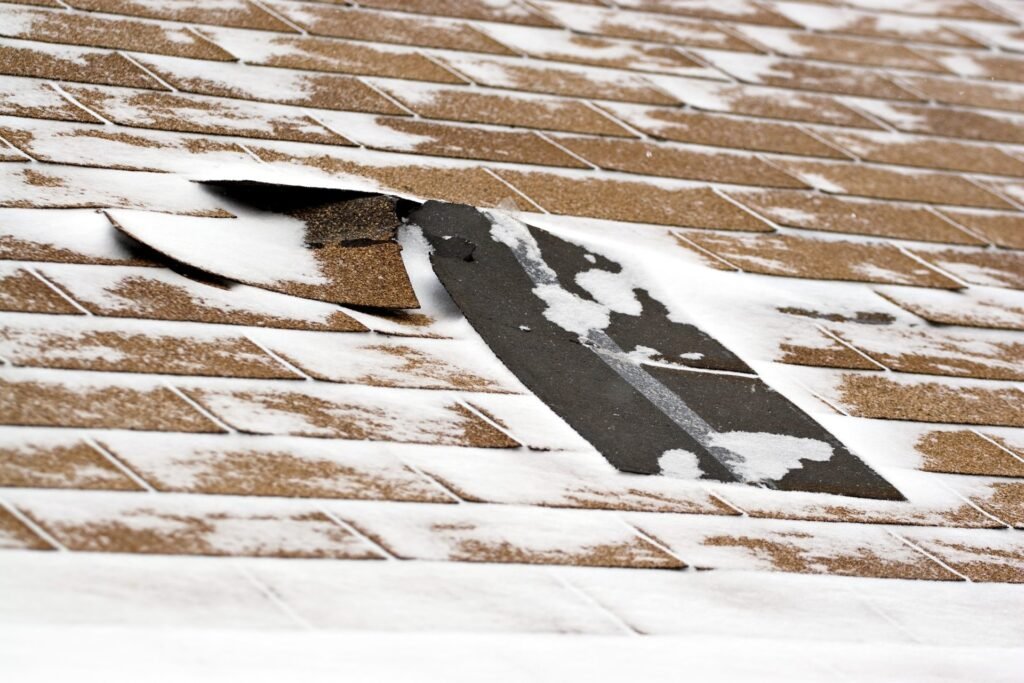
This is the main way that snow and ice can cause a winter roof leak. If snow or ice becomes stuck on your roof and is unable to drain, it will begin to leak through your roof as it melts. If your roof ONLY leaks directly after a snowstorm, this may be the reason why.
Debris Accumulation
Leaves, twigs, and dirt collect in valleys and gutters throughout winter. Blocked drainage prevents proper water flow, causing moisture to pool and seep beneath roofing materials. Over several months, trapped moisture accelerates deterioration that only becomes visible later.
Clogged and Damaged Gutters
Gutters drain water away from your home during rainstorms to keep your property in good shape. Leaves and debris from the fall and winter can clog your gutters and put additional pressure on them. Wind and temperature changes can also pull them away from your home and leave them vulnerable to damage. As you do your spring cleaning, you may find that debris has rusted your gutters or caused them to sag.
You should clean your gutters and have them inspected to prevent flooding on your roof and water damage in your home. Cleaning gutters usually involves getting on a ladder and removing debris by hand or with a brush. When you remove leaves and twigs from your gutters, you can provide adequate water flow to prepare your home for the next storm.
Hidden Roof Damage Signs You Should Never Ignore
Winter roof damage often remains invisible from the ground. Many homeowners only recognize a problem once interior water damage appears. Subtle warning signs usually appear first.
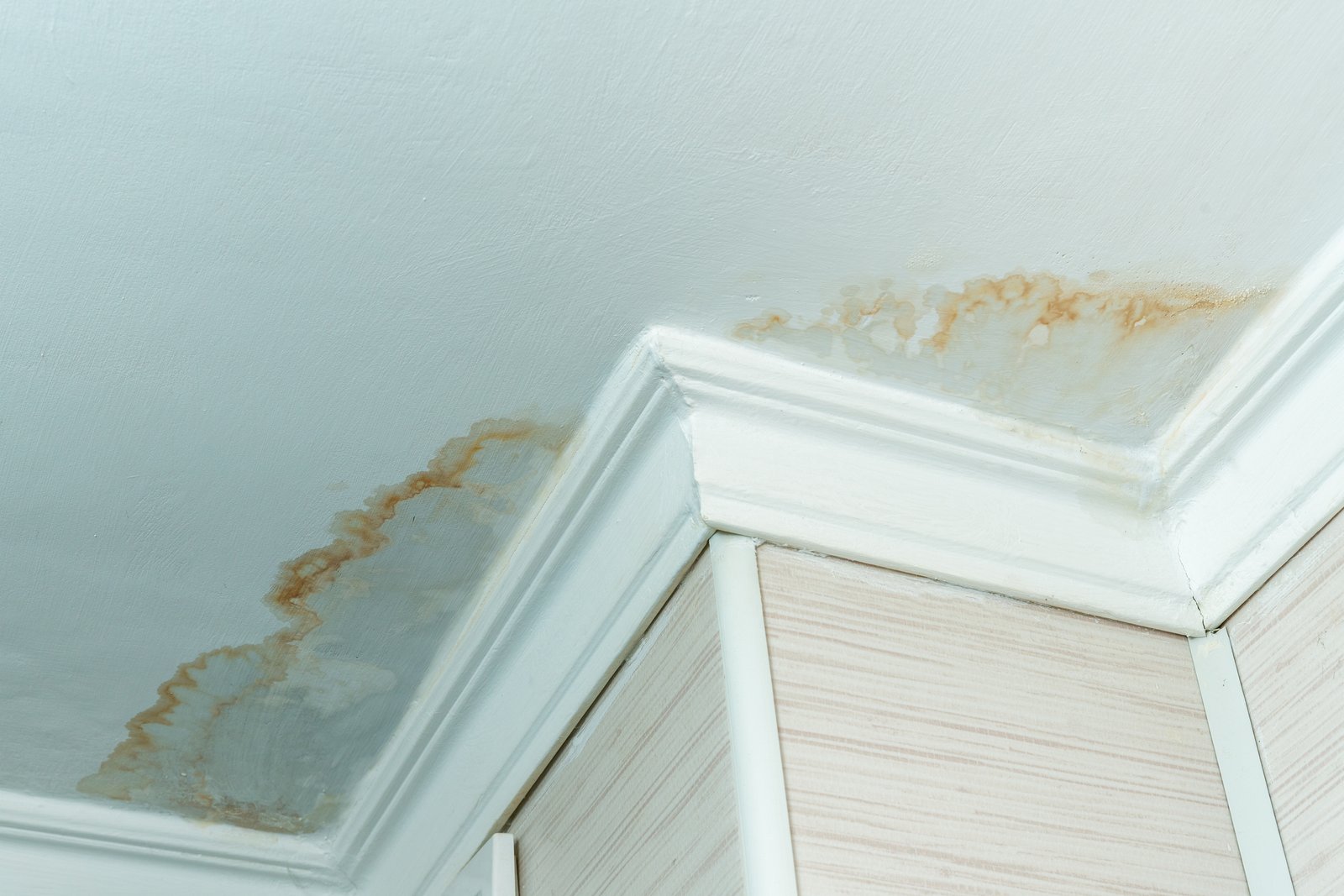
You may notice dark streaks or stains forming on ceilings or upper walls. Paint may bubble or peel in certain areas. A musty smell in the attic often indicates prolonged moisture exposure. Insulation may feel damp or compressed, and during rainfall, you might hear faint dripping sounds. Emergencies include active leaks, storm damage with exposed roof deck, fallen trees on your roof, or ice dam formation causing interior water damage. Our 24/7 emergency service provides immediate temporary repairs to prevent further damage while planning permanent solutions.
Outside, shingles may appear warped or slightly lifted. Flashing around chimneys and vents may show separation or rust. These hidden roof damage signs suggest that moisture has already found its way into vulnerable areas.
Roof Flashing Damage Repair: A Common March Fix
Flashing protects the most vulnerable areas of your roof, including chimneys, valleys, skylights, and vent pipes. Because flashing relies on tight seals and proper alignment, it is particularly vulnerable to winter temperature changes.
As materials expand and contract, sealants crack and joints separate. Once flashing shifts even slightly, water can travel directly into the roofing system. This is why roof flashing damage repair is one of the most common spring services requested after winter.
Timely repair prevents interior drywall damage, mold growth, structural wood rot, and insulation destruction. Addressing flashing problems early can stop a minor leak from turning into a major restoration project.
Attic Condensation Roof Problems in Winter
Not all roof leaks begin from the outside. In many cases, the issue originates in the attic.
During winter, warm indoor air rises naturally. If attic ventilation is insufficient, that warm air becomes trapped and meets the cold roof deck. This temperature difference creates condensation. Over time, condensation accumulates and begins soaking insulation and wooden components.
By March, homeowners may mistake this moisture damage for a rain-related leak. However, attic condensation roof problems can develop slowly throughout winter without any visible exterior failure.
Signs of condensation-related damage include damp insulation without visible roof openings, mold growth on rafters, frost buildup during colder weeks, and a persistent damp odor in the attic. Proper ventilation and insulation balance are essential for preventing these issues.
Why Commercial Properties Face Higher Risk
Commercial buildings often have flat or low-slope roofs, which naturally drain water more slowly than steep residential roofs. During winter storms, standing water may remain on the surface for extended periods. This increases stress on membranes and seams.
If separation or cracking occurs, moisture can penetrate large sections of the roofing system before becoming noticeable. A roof leaking after winter in a commercial building can disrupt business operations, damage inventory, and create safety concerns for employees and customers.
Because commercial roofing systems are more complex, regular inspections are essential to detect early-stage deterioration.
The Importance of a Post-Winter Roof Inspection
A post-winter roof inspection is one of the most effective ways to identify and correct hidden damage before it worsens. Early spring is the ideal time to evaluate how winter conditions affected your roofing system.
During an inspection, professionals examine shingles for lifting or cracking, check flashing for separation, assess sealants for brittleness, inspect gutters for blockages, and evaluate attic ventilation and moisture levels. They also look for soft decking areas that may indicate water infiltration.
For homeowners experiencing roof leaks after winter in Newnan, GA, an inspection provides a clear diagnosis and a structured plan for repairs. Early intervention significantly reduces long-term repair costs.
Why March Leaks Should Never Be Delayed
It may be tempting to ignore a small ceiling stain or minor drip, especially if it seems manageable. However, even slow leaks can cause progressive structural damage.
Moisture weakens wood framing, deteriorates drywall, and encourages mold growth. Electrical wiring can also become compromised if water reaches certain areas. Over time, continuous exposure may lead to sagging ceilings or more extensive roof failure.
Addressing hidden roof damage signs immediately prevents minor problems from escalating into costly repairs.
What to Expect During Roof Flashing Damage Repair
When professionals perform roof flashing damage repair for a Roof Leaking After Winter, Newnan, GA, they begin by removing damaged or improperly sealed flashing components. The surrounding decking is inspected to ensure structural integrity remains intact. Any compromised wood sections are replaced before installing new flashing. High-quality sealants are applied carefully, and drainage pathways are checked to ensure proper water flow. In many cases, timely flashing repair restores full roof protection without requiring a complete replacement.
How to Prevent Roof Leaking After Winter in Newnan, GA
Preventive maintenance remains the most reliable way to avoid unexpected spring leaks. Scheduling annual inspections allows small vulnerabilities to be identified before winter weather intensifies them.
Cleaning gutters before winter prevents water backup. Ensuring attic ventilation functions properly reduces condensation risk. Replacing damaged shingles promptly and sealing flashing joints correctly strengthens the roof against seasonal stress.
Regular monitoring of ceilings and attic spaces throughout winter also allows early detection of moisture issues. Proactive maintenance significantly reduces the likelihood of roof leaks after winter in Newnan, GA.
When to Call a Professional Roofing Expert
You should contact a roofing professional if ceiling stains continue to expand, water drips during rainstorms, roof lines appear uneven, shingles are missing, or mold becomes visible in the attic.
Professional evaluation ensures that both exterior damage and interior attic condensation roof problems are properly addressed. Early intervention protects structural components and extends the lifespan of your roof.
Why Choose Archer Chimneys & Exteriors
Archer Chimneys & Exteriors is a fully licensed and reputable contractor specializing in fireplaces, chimneys, and home heating solutions. They proudly serve homeowners and businesses throughout Newnan, Marietta, and surrounding areas, delivering professional, safe, and long-lasting solutions.
- Licensed, insured, and experienced with hundreds of fireplace, chimney, and heating projects
- Experts in durable, safe, and efficient gas fireplaces, venting systems, and chimney repairs
- Complete services: fireplace installation, replacement, inspection, maintenance, and gas line work
- Serving homes, offices, and commercial properties throughout Georgia
- Honest, transparent, and customer-first service approach
- Solutions designed to meet safety codes, maximize efficiency, and enhance comfort and value.
Conclusion
March roof leaks rarely begin in March. They are typically the result of hidden winter stress, moisture intrusion, and material expansion that went unnoticed during colder months. If you’re experiencing Roof Leaking After Winter, Newnan, GA, the damage likely started long before spring rain made it visible. Understanding hidden roof damage signs, prioritizing roof flashing damage repair, addressing attic condensation roof problems, and scheduling a thorough post winter roof inspection are essential steps in protecting your home or commercial property. Spring offers the perfect opportunity to restore your roof’s integrity and ensure it remains strong, sealed, and prepared for the seasons ahead.
For more updates, expert tips, and customer reviews, follow us on Facebook and Instagram, or visit our Google to see why homeowners trust us.
Contact us today to schedule your inspection or get a free quote
FAQs
Why does my roof leak after winter?
Freeze–thaw cycles, trapped snow or ice, and blocked gutters can create cracks or openings, allowing water to penetrate and cause leaks.
How does trapped snow or ice cause roof leaks?
If snow or ice gets stuck on your roof and cannot drain, it melts and seeps through the roofing materials, causing leaks.
Can winter wind and rain damage my shingles?
Yes, even moderate storms can lift shingles or compromise flashing, weakening the roof’s ability to resist future rain.
How do clogged gutters contribute to roof damage?
Leaves and debris block water flow, causing pooling that can seep beneath roofing materials, leading to deterioration over time.
How can I prevent winter roof damage in the future?
Regular gutter cleaning, proper attic ventilation, and early repair of cracked shingles or flashing can reduce winter roof damage risks.