Follow our chimney safety checklist to prevent fires, carbon monoxide risks, and structural damage. Call Archer Chimneys & Exteriors for inspections today!
Fireplaces add warmth and charm to any home, but chimneys can pose serious risks if not properly maintained. Hidden creosote buildup, cracks in the flue, and damaged chimney caps can lead to fires, carbon monoxide hazards, and costly repairs. This chimney safety checklist walks homeowners through the essential annual inspections, signs of potential problems, and tips to keep your home safe. Following this guide ensures peace of mind and prolongs the life of your chimney. For thorough inspections and professional services, Archer Chimneys & Exteriors provides expert chimney services you can trust.
What You’ll Learn in This Guide
This guide is perfect for homeowners looking to prevent chimney hazards and maintain a safe, efficient fireplace. By following our chimney safety checklist, you’ll learn essential chimney inspection tips, how to address fireplace safety concerns, and when to hire a professional for chimney services. Topics covered include:
- Essential points in the annual chimney safety checklist
- Fireplace and flue inspection tips
- Carbon monoxide and smoke safety guidance
- How to spot structural damage early
- Child and pet safety around fireplaces
- When to call a professional chimney service
Why Chimney Safety Matters
Chimneys do more than vent smoke; they protect your home from fire, carbon monoxide exposure, and structural damage. Weather conditions like rain, snow, and humidity can accelerate wear, causing rust, water damage, and masonry cracks. Ignoring small issues can result in fires, CO buildup, and expensive repairs. Regular inspections and maintenance ensure your chimney functions safely and efficiently while protecting your home’s value.
Annual Chimney Safety Checklist
Fireplace and Flue Inspection
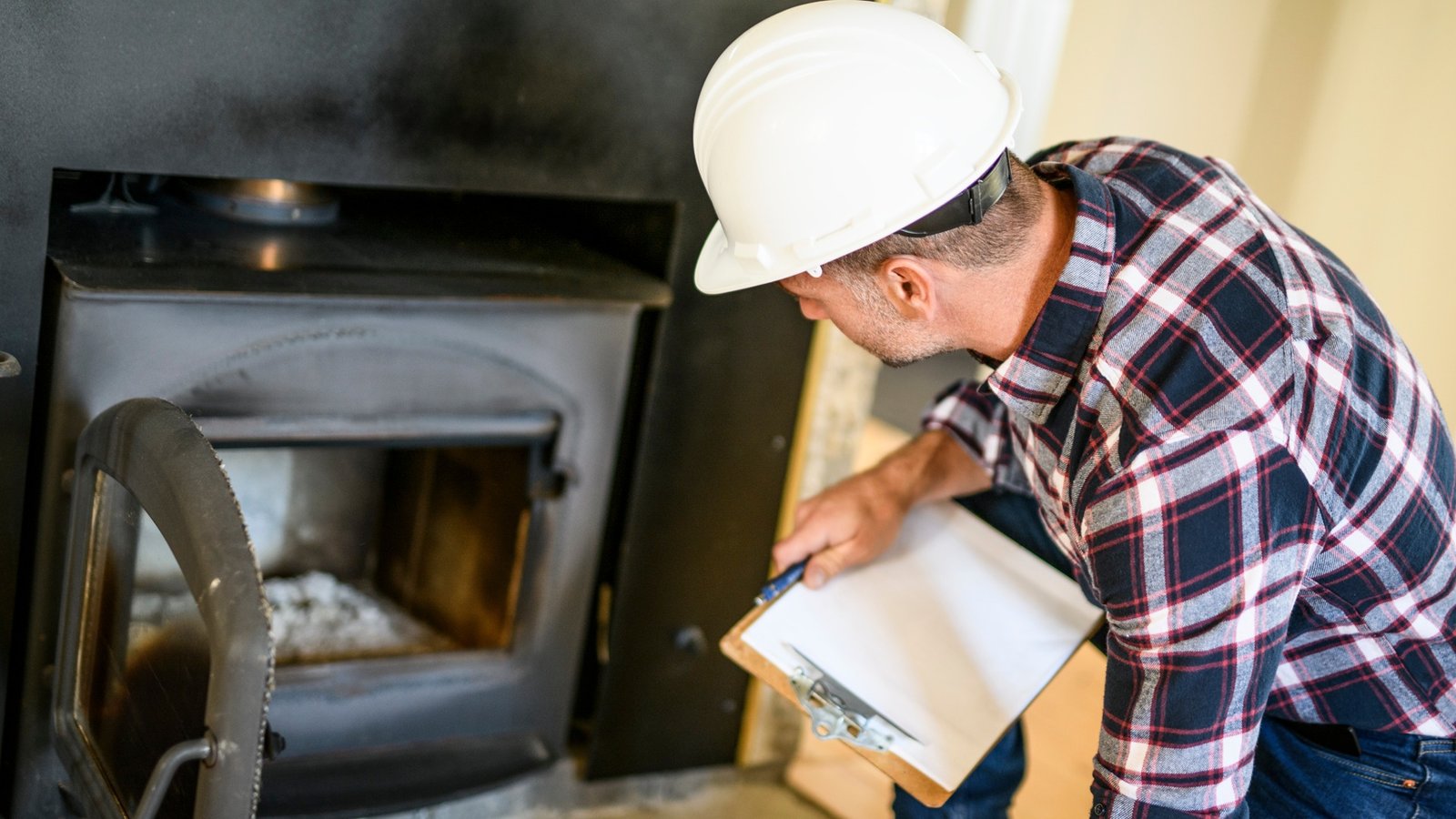
Inspect your fireplace and flue for cracks, rust, or blockages. Damaged flues allow smoke and harmful gases to enter the home. Regular inspection keeps your family safe and your fireplace functioning efficiently.
Chimney Cap and Crown Checks
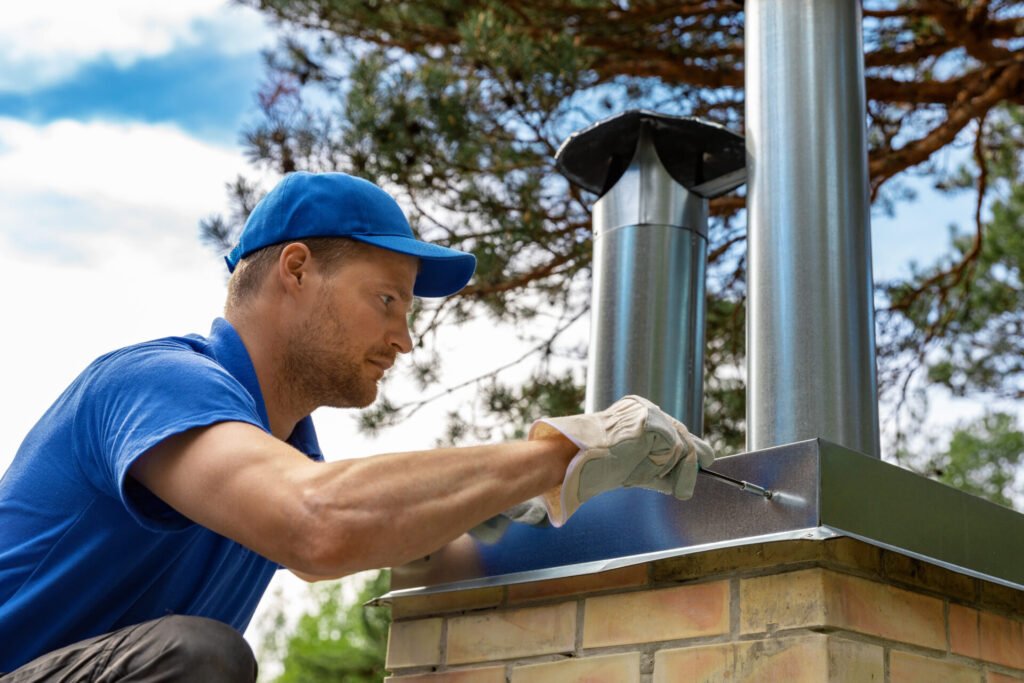
Ensure the chimney cap is secure and the crown is intact. Caps prevent animals, debris, and rain from entering. A damaged crown can lead to water infiltration and masonry deterioration.
Signs of Structural Damage
Look for leaning, crumbling bricks, or mortar gaps. Structural damage can compromise chimney safety and lead to expensive repairs if ignored.
Carbon Monoxide Safety
Maintain CO detectors near the fireplace and sleeping areas. A faulty chimney can allow CO to accumulate indoors. Replace detectors every 5–7 years and check batteries regularly.
Smoke & CO Detector Placement
Install smoke and CO detectors near fireplaces and bedrooms for early detection of hazards. Proper placement ensures your family is alerted promptly in case of danger.
When to Stop Using the Fireplace
If smoke backdrafts, unusual odors, cracks, or structural damage appear, discontinue use immediately and schedule a professional inspection.
Child and Pet Safety
Use barriers or gates around the fireplace. Never leave children or pets unattended near a fire. Safety screens prevent accidental burns.
When to Call a Professional
Hire a licensed chimney service for smoke issues, cracks, unusual odors, or annual cleaning. Professionals can remove creosote safely and inspect flues for hazards.
Causes of Chimney Damage
Weather and Moisture Exposure
Rain, snow, and humidity can erode mortar, rust metal components, and trap moisture inside the flue, accelerating deterioration.
Creosote Buildup
Burning wood produces creosote, a flammable substance that can ignite if not cleaned regularly. Annual sweeping is essential for safety.
Poor Installation or Low-Quality Materials
Improper installation or low-quality materials can cause the chimney to deteriorate faster. Professional installation ensures longevity and safety.
Age of the Chimney
Older chimneys may develop cracks, gaps, or blockages. Regular inspections prevent small issues from becoming serious hazards.
Chimney Repair vs Replacement
When Repair is Enough
- Minor cracks or mortar deterioration
- Flue and cap mostly intact
- No persistent smoke or CO issues
When Replacement is Recommended
- Severe structural damage
- Recurring smoke or CO leaks
- Crumbling bricks, leaning, or unsafe flue
At Archer Chimneys & Exteriors, we inspect your chimney first and provide honest advice. Repairs are recommended when safe, but replacement ensures long-term protection.
How Archer Chimneys & Exteriors Works
Step 1 – Chimney Inspection
Our experts inspect the flue, firebox, crown, and chimney structure for safety hazards.
Step 2 – Quote and Options
We provide a transparent quote for repair or replacement, tailored to your home.
Step 3 – Scheduling and Preparation
We protect your home and schedule work at your convenience.
Step 4 – Repair or Replacement Work
Depending on the assessment, we perform cleaning, masonry repair, flue replacement, or full rebuild.
Step 5 – Final Walkthrough and Maintenance Tips
We confirm quality, explain the warranty, and provide guidance for ongoing maintenance and safety.
Cost and Time Expectations
Knowing what to expect in terms of time and cost can help you plan your chimney maintenance or repairs. Here’s a breakdown:
Small chimney repairs typically take 1–2 days and cost $250–$800.
Major repairs or full replacements can take 3–5 days and range from $2,500–$6,000, depending on the size of the chimney, materials used, and complexity of the work.
Factors affecting cost and time include chimney height, material type, damage extent, and ease of access.
Free inspections are available from Archer Chimneys & Exteriors to provide accurate estimates tailored to your home.
Our Chimney Services
- Chimney inspection and cleaning
- Fireplace and flue repair
- Chimney crown and cap repair
- Creosote removal and sweeping
- Structural chimney repairs and rebuilds
- Smoke and CO mitigation services
- Emergency chimney services
We serve homeowners across the area and nearby neighborhoods.
Common Challenges Homeowners Face with Chimney Safety
1. Neglecting Annual Inspections
Many homeowners skip yearly chimney checks, increasing the risk of hidden creosote buildup, blockages, or structural issues that can lead to fires or carbon monoxide leaks.
2. Ignoring Early Warning Signs
Smoke backdrafts, strange odors, or damp smells often get overlooked until they become serious problems requiring expensive repairs.
3. DIY Cleaning Without Proper Tools or Knowledge
Attempting DIY chimney cleaning without the right equipment or expertise can miss dangerous buildup or even damage the chimney lining.
4. Choosing Unqualified Service Providers
Hiring inexperienced or uncertified chimney workers can result in improper inspections, unnecessary repairs, or overlooked hazards. Always choose licensed professionals.
Why Homeowners & Businesses Trust Archer Chimneys & Exteriors
Archer Chimneys & Exteriors is a fully licensed and reputable contractor specializing in fireplaces, chimneys, and home heating solutions. They proudly serve homeowners and businesses throughout Newnan, Marietta, and surrounding areas, delivering professional, safe, and long-lasting solutions.
- Licensed, insured, and experienced with hundreds of fireplace, chimney, and heating projects
- Experts in durable, safe, and efficient gas fireplaces, venting systems, and chimney repairs
- Complete services: fireplace installation, replacement, inspection, maintenance, and gas line work
- Serving homes, offices, and commercial properties throughout Georgia
- Honest, transparent, and customer-first service approach
Solutions designed to meet safety codes, maximize efficiency, and enhance comfort and value.
Conclusion
Keeping your chimney safe isn’t just about warmth and ambiance; it’s about protecting your home and family from fires, carbon monoxide risks, and structural damage. Following a chimney safety checklist, along with regular inspection, cleaning, and attention to warning signs, ensures your fireplace works efficiently and safely all year. A professional chimney service can spot issues you might miss and recommend the right solutions. Don’t skip maintenance; using a chimney safety checklist is the best prevention against costly problems.
For more updates, expert tips, and customer reviews, follow us on Facebook and Instagram, or visit our GMB to see why homeowners trust us.
Contact us today to schedule your inspection or get a free quote
FAQs
How often should I have my chimney inspected and cleaned?
Chimneys and fireplaces should be inspected at least once a year to check for creosote buildup, blockages, or damage. Annual professional cleaning ensures safety and makes your fireplace more efficient.
What is creosote, and why is it dangerous?
Creosote is a sticky, flammable residue created when wood burns, and buildup can ignite chimney fires if not removed. Cleaning reduces this hazard and keeps your chimney safer.
What are the signs that my chimney needs repair?
Visible cracked bricks, crumbling mortar, rust, water stains, or smoke entering your home are common signs of damage. Any of these should prompt a professional inspection.
Why do I need a chimney cap?
A chimney cap protects your flue from rain, debris, and animals that can cause blockages or water damage. It also helps prevent sparks from escaping and creating fire hazards.
Do gas fireplaces need a chimney inspection too?
Yes, even gas fireplaces can have flue blockages from nests or debris, and inspections ensure proper venting of gases. Professional checks help avoid smoke or carbon monoxide issues.